You are a European OEM brand owner with a 200,000‑unit annual commitment for stainless steel plastering trowels. Your current Chinese trading‑company supplier quotes 15 % less per piece but never lets you onto the actual factory floor. The blades arrive with roughly the right shape, but the flex never quite matches the feel your professional plasterers expect under their private‑label name.
Now a Zhejiang direct manufacturer enters the conversation. The unit price is slightly higher, but the offer includes full in‑house control over taper grinding, hardness, and flex profiling—matched to your exact EU performance spec, with third‑party audit access on demand. Which path actually protects your private‑label reputation and per‑container margin three years from now? For procurement directors importing stainless steel plastering trowels at container volume, the answer lives in the engineering detail most trading companies can only talk around.
Why Most China‑Sourced Plastering Trowels Fail EU Private‑Label Flex Specs—and How a Zhejiang Factory Fixes It
A plastering trowel looks simple until you measure the blade’s flex recovery. Many European brands specify a “stiff” or “flexible” trowel—but without a controlled manufacturing process, two blades of identical thickness can behave entirely differently on the wall. The root cause sits deep inside the China sourcing model: when a trading company consolidates orders across multiple anonymous workshops, each sub‑supplier uses different stamping dies, heat‑treatment protocols, and taper‑grind setups. Even if the steel grade matches on paper, the final flex will wander across production batches, frustrating end‑users and generating warranty claims the trader will never own.
Our Zhejiang manufacturing base runs the complete stainless steel plastering trowel line under one roof—blank stamping, precision taper grinding, controlled heat treatment, and in‑house hardness verification. Because we control every process step on our own factory floor, the flex consistency of a 50,000‑unit container mirrors the engineering sample you approved months earlier. This eliminates the hidden variability baked into the outsourced Chinese supply chain.
| Process Step | Typical Outsourced Result (Trader Model) | Trumax Direct Zhejiang Control |
|---|---|---|
| Steel sourcing | Mixed coil batches from multiple mills; inconsistent grain structure and spring‑back | Single‑source stainless steel coil, traceable per production lot |
| Blade blank stamping | Worn or mismatched dies across subcontractors; edge burrs and uneven thickness | In‑house progressive stamping with dedicated tooling maintained per private‑label program |
| Taper grinding | Coarse, non‑uniform taper angles; variable blade stiffness from toe to heel | Precision taper grinding at Zhejiang plant, with micro‑meter controlled grind paths that shape the flex profile |
| Heat treatment | Third‑party batch furnace with wide tolerances; hardness drift across production lots | Controlled in‑line heat treatment validated by in‑house Rockwell spot checks; consistent hardness without over‑tempering |
| QC hardness verification | None or supplier‑supplied report without traceability | In‑house hardness testing on every production batch, with records retained for audit |
| Final flex verification | No measurement; blades shipped as “standard” | Engineered flex‑reference jigs; blade spring‑back measured against your approved master sample before packing |
How a Zhejiang Direct Manufacturer Fine‑Tunes Trowel Blade Flexibility to Your Private‑Label Spec
At Trumax, “flexibility” is not a guess—it is a controlled output of taper geometry, stamping‑induced grain orientation, and precise hardness. Our Zhejiang factory team works from your reference sample or numerical deflection target to reverse‑engineer the exact production recipe; then we lock that recipe for every container bearing your brand.
Step 1: Define Your Flexibility Threshold
You share a master sample—or a deflection force under a defined load—that represents the “stiff” or “flexible” feel your professional plasterers demand. This becomes the quality standard, not a loose adjective.
Step 2: Precision Taper Grinding at Our Zhejiang Plant
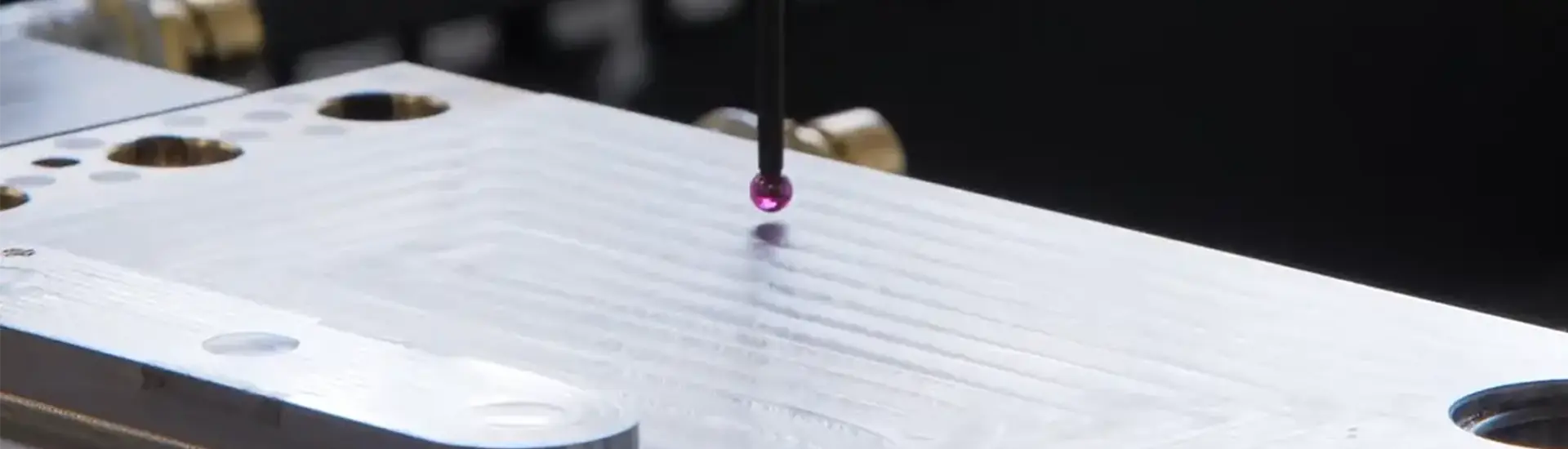
A stainless steel plastering trowel flexes through a deliberate thickness reduction from the heel to the toe. Our in‑house CNC taper grinders cut a controlled, repeatable profile that creates the spring‑back curve your master sample exhibits. No trading company can show you this machine; they do not own it.
Step 3: In‑House Hardness Verification Without Third‑Party Delays
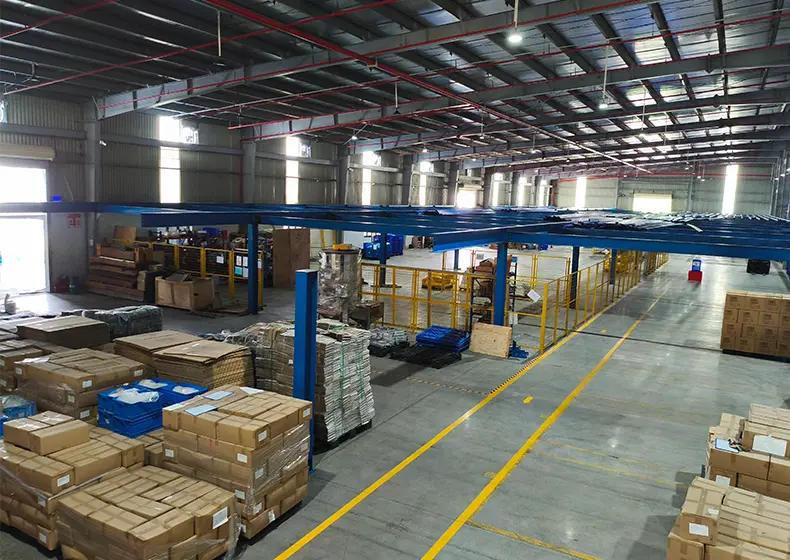
After heat treatment, our quality team performs Rockwell spot checks directly on the Zhejiang factory floor. Hardness values stay within a tight band that delivers the right balance between wear resistance and flex. Because we test in‑house, you receive QC data alongside every shipment—no outsourced lab delays.
Step 4: Pre‑Shipment Flex Testing on Your Samples
Before any full‑container dispatch, we mount random blades on a flex‑reference jig calibrated to your master. The deflection under a standard load must fall inside your approved window. This final gate catches any deviation before the goods leave Shanghai, giving you a predictable in‑market product.
The Hidden Cost of Copycat Trowel Geometry: Why “Same Thickness” Doesn’t Mean Same Flex
A dangerous assumption circulates among EU brands sourcing from China: if two stainless steel plastering trowels share the same gauge thickness, they ought to flex identically. That assumption ignores grain orientation imparted during stamping, the taper‑grind curvature, and the depth of work‑hardening at the blade edge.
In a typical outsourced model, the sub‑contractor stamps a blank, hands it to another workshop for grinding, and sends it to a third for polishing. Each transfer introduces its own interpretation of “standard.” A 0.3 mm thickness difference at the toe—invisible without a micrometer—shifts a flexible blade into stiff territory. Our Zhejiang production line keeps all transformation steps under one roof, where the stamping operator, grinding technician, and QC inspector share a single visual reference: your approved master trowel. The result is a container where 98 % of blades match the flex feel you signed off—not a random distribution around a vague average.
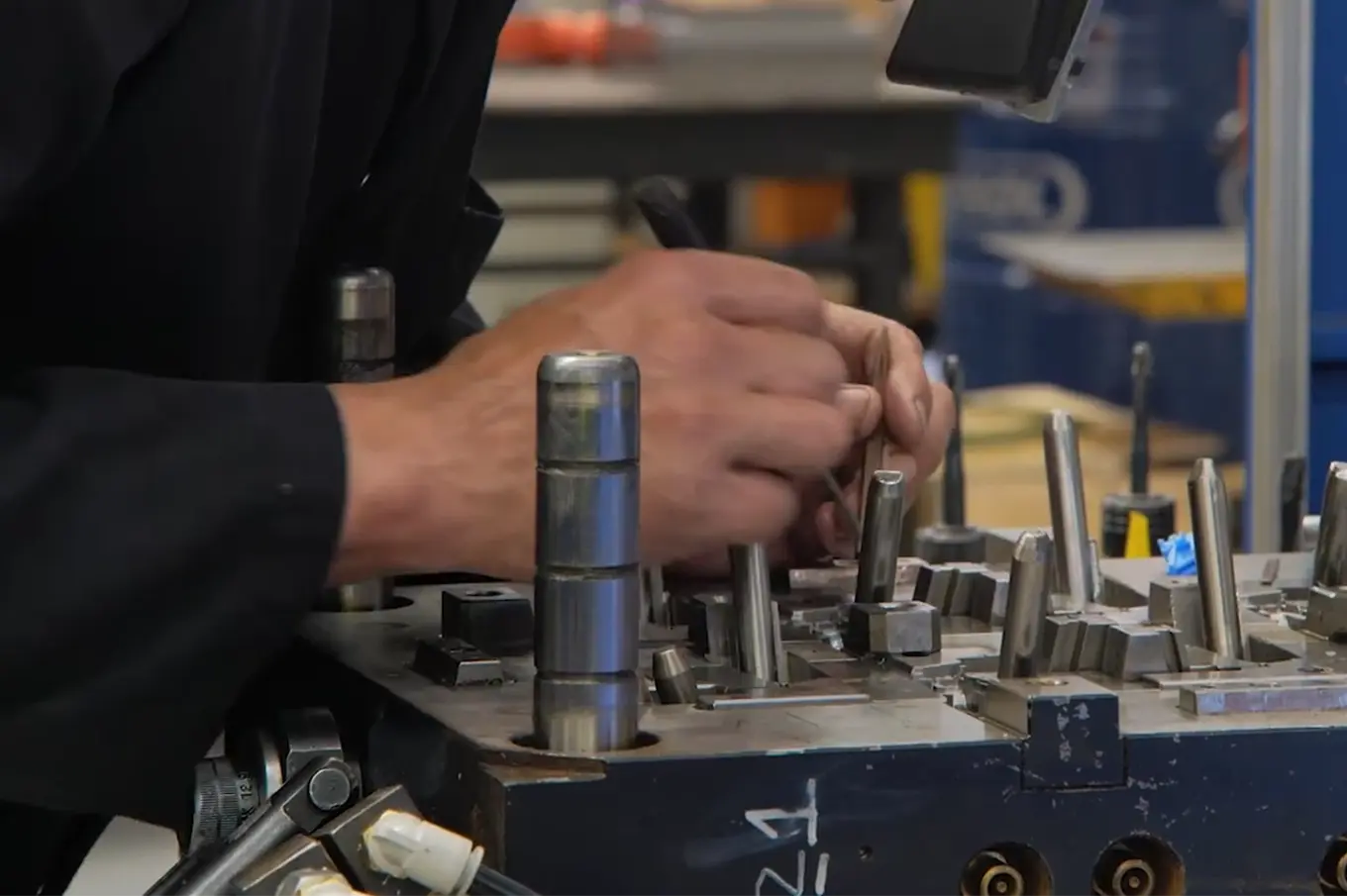
For EU private‑label brands, this consistency is non‑negotiable. A professional plasterer who buys your branded trowel from a Dutch builders’ merchant expects the same wrist effort on a cold January morning as on a replacement bought six months later. A Zhejiang factory that controls flex at every stage delivers that repeatability over multi‑year programs.
Three Steps to Secure Your Custom Flex Trowel Line from Zhejiang
- Request a flex‑test sample kit from our Zhejiang factory, containing both stiff and flexible stainless steel plastering trowels, so your product team can map the exact spec against known reference points.
- Schedule a third‑party inspection of our in‑house grinding, heat‑treatment, and QC stations—auditing a direct manufacturer’s floor tells you more than any trading‑company showroom.
- Open an OEM discussion with our Shanghai‑based export engineering team to lock in your flex parameters, blade dimension, overmolded TPR handle option, and private‑label laser etching—all bundled into one FOB Shanghai factory‑direct order.
Discuss Your Manufacturing Project
Email your drawings or questions. We reply within 24 hours.