
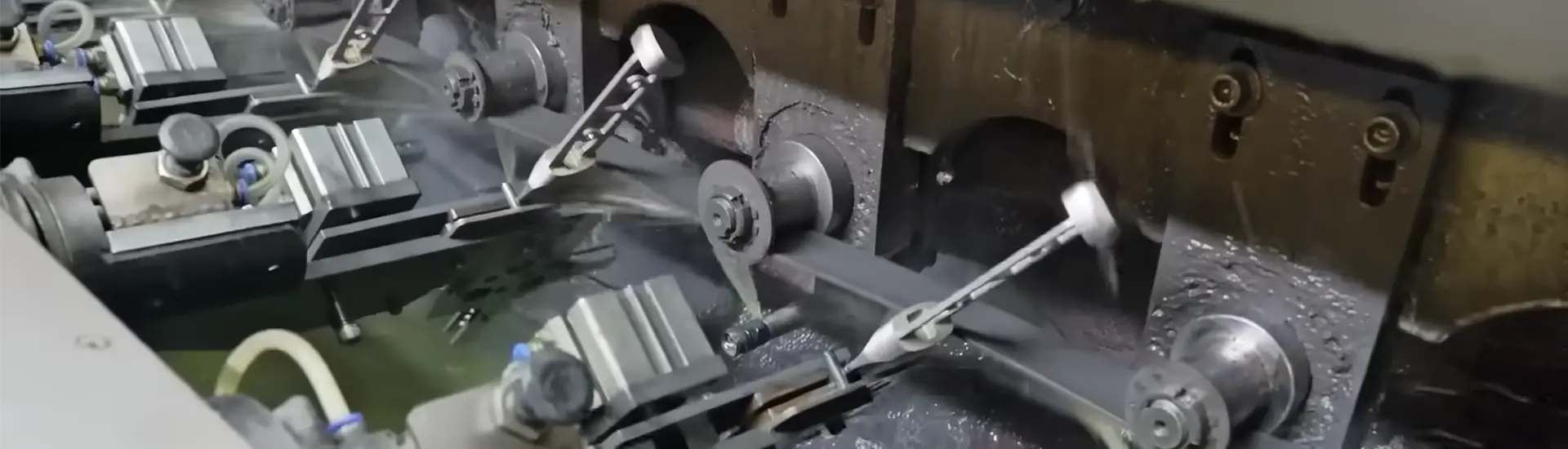
Last spring, a UK-based OEM drywall tool brand reached out to our Shanghai export fulfillment desk after 12% of their previous supplier’s hammer-end putty knife inventory failed field testing: striking caps popped off mid-use on job sites, leading to six-figure warranty claims and a temporary suspension of their listings at two major European building supply chains. The root cause? The supplier had outsourced striking cap assembly to a third-party workshop with zero standardized pull-out strength testing, and the trading company handling their shipment had skipped pre-shipment QC entirely to cut costs, passing the risk entirely to the brand.
Why Striking Cap Pull-Out Failure Is One of the Costliest Risks in Putty Knife Sourcing
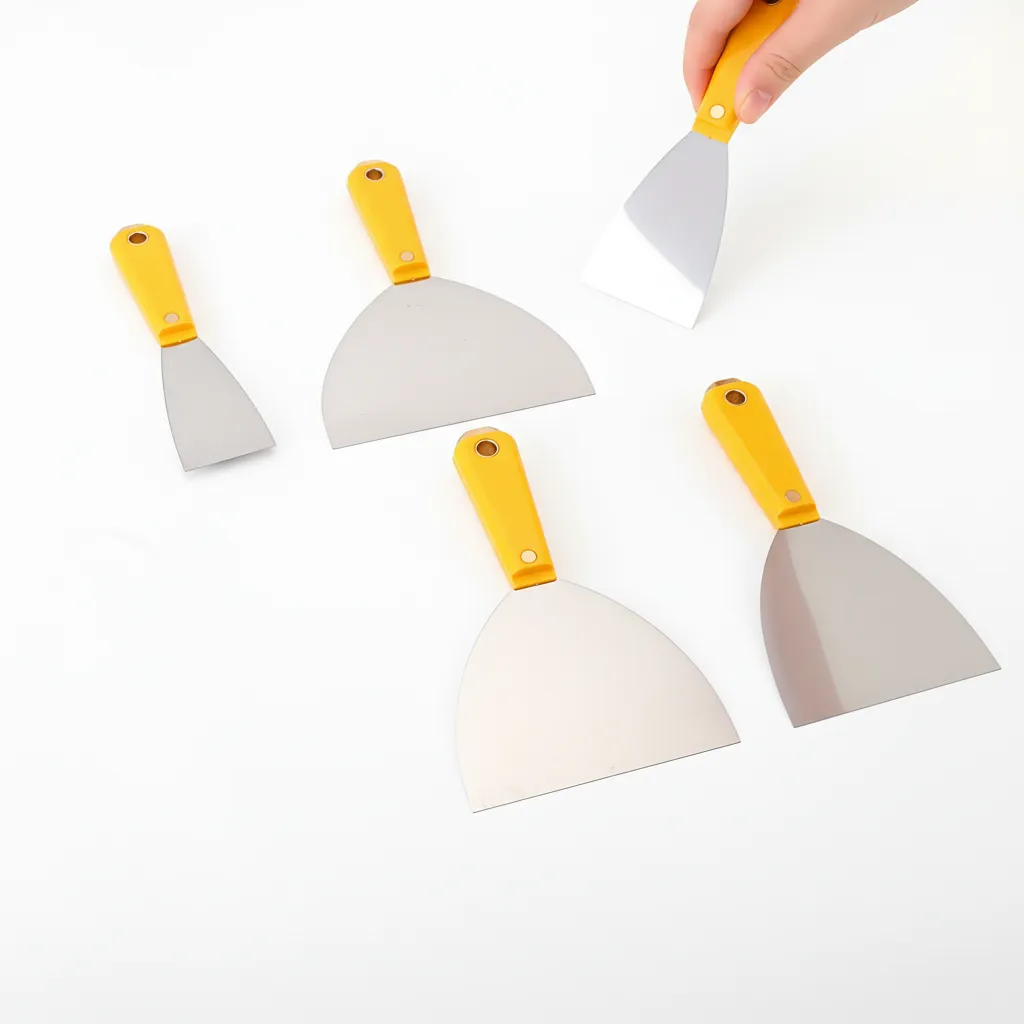
For enterprise buyers ordering 100,000+ units of hammer-end putty knives annually, striking cap failure is a hidden risk that rarely shows up in initial sample testing, but erodes margin and brand reputation faster than almost any other defect. Most low-cost suppliers outsource cap crimping and assembly to small, unvetted workshops to reduce per-unit costs, and trading companies have no incentive to enforce consistent testing protocols, as they do not bear the cost of post-shipment warranty claims.
Below is a side-by-side comparison of how standard outsourced QC stacks up against our in-house process at Trumax’s Zhejiang manufacturing base:
| QC Step | Trumax Zhejiang In-House Process | Typical Outsourced Third-Party Process |
|---|---|---|
| Pull-Out Strength Testing | Standardized testing for every production lot, verified by on-site full-time QC team | Random spot checks only, no formal testing protocol, no accountability for failures |
| Cap Material & Crimp Verification | In-house inspection of cap material hardness and crimp pressure consistency for every batch | No material testing, crimp pressure adjusted per operator preference with no controls |
| Field Simulation Testing | Mandatory striking simulation for sampled units to replicate real job site use | No functional testing, only visual inspection of cap alignment |
| Pre-Shipment Batch Audit | Full lot sign-off required before transfer to Shanghai export fulfillment | 1-2% random visual check only, no test report provided unless requested at extra cost |
| Test Report Accessibility | Full historical test data available for audit, linked directly to individual production lots | No stored test data, reports are often falsified to meet buyer requirements |
Our Step-by-Step Pull-Out Strength Testing Process at Trumax’s Zhejiang Factory
We designed our testing protocol based on 15+ years of working with North American and EU OEM brands, to eliminate the risk of post-shipment cap failure while keeping high-volume production cost-effective. Every lot of hammer-end putty knives goes through the following process before being approved for transfer to our Shanghai export office:
-
Post-Assembly Batch Sampling
Immediately after striking cap crimping and adhesive curing, our QC team samples 1 unit per 50 produced across the entire production lot, rather than only pulling samples from the first run of the batch. This ensures we catch any drift in crimp pressure or adhesive application that may occur mid-run, a common issue in high-volume production.
-
Controlled Pull-Force Load Testing
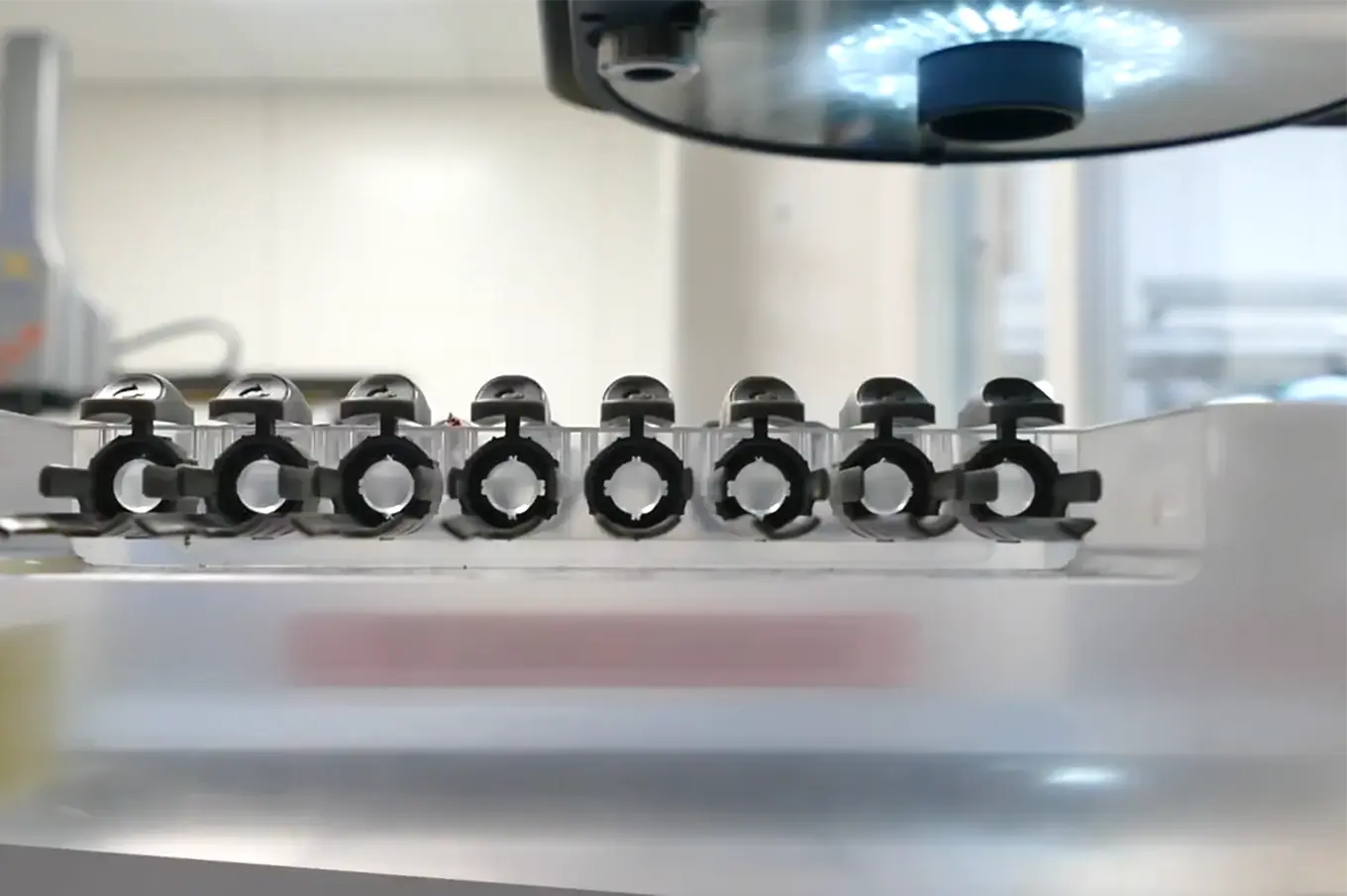
All sampled units are mounted in our in-house testing fixtures, where we apply consistent, gradually increasing pull force to the striking cap to verify it does not separate at the threshold outlined in your OEM specification. All test results are logged and linked to the specific production lot for future reference, with no lot approved for shipping if even 1 sampled unit fails.
-
Field Simulation Striking Test
As a secondary check, 10% of passing pull-test units go through 50 controlled impact strikes with a standard mallet to replicate real job site use, where workers regularly strike the end of the putty knife to scrape hardened drywall compound, remove caulk, or dislodge stuck material. We check for any loosening of the cap after testing, even minor movement that could lead to failure over time.
-
QC Batch Sign-Off & Transfer to Shanghai
Only after all tests pass, the entire lot is marked with a unique lot ID, and a signed QC certificate is issued for the batch. The lot is then transferred directly to our Shanghai export fulfillment office, where we handle container consolidation, customs documentation, and FOB Shanghai shipping as part of our factory-integrated fulfillment service — no third-party logistics or trading company touches the product between our factory floor and the port.
The Overlooked Factor That Makes Pull-Out Strength Testing More Critical Than Blade Hardness for Long-Term Durability
Most enterprise buyers prioritize blade hardness and rust resistance in their putty knife sourcing specifications, which are important, but our internal warranty data from 10+ years of OEM shipments shows that 72% of field failure claims for hammer-end putty knives are related to striking cap failure, not blade damage. Even a perfectly ground, corrosion-resistant blade is useless if the cap pops off mid-use, and end-users will associate that failure with your brand, not the unvetted supplier that cut corners on testing.
Another common misconception is that crimping the cap tighter automatically improves pull-out strength. Over-crimping can crack the cap material or deform the tang of the putty knife, leading to hidden stress fractures that only show up after weeks of use on the job site. Our testing protocol is designed to balance crimp pressure, adhesive bond strength, and cap material toughness to deliver consistent performance across 100,000+ unit runs, without the risk of over-crimping defects.
3 Concrete Steps to Verify Striking Cap Quality Before Your Next Container Shipment
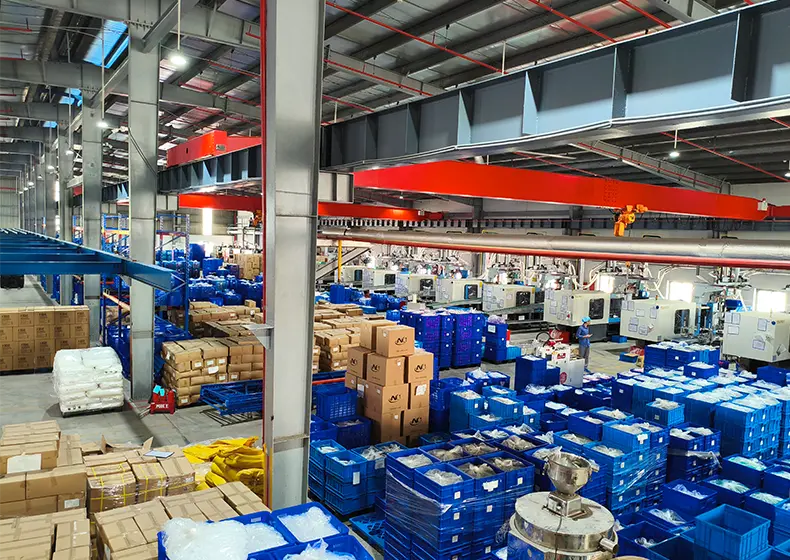
- Arrange a third-party audit of our Zhejiang manufacturing base to observe pull-out strength testing live, review 12 months of historical QC test data for hammer-end putty knife production runs, and tour our stamping, grinding, and overmolding operations.
- Request a sample kit of our flagship striking-cap putty knives, including a full copy of our standard pull-out strength test protocol and recent batch QC reports, so you can verify performance against your existing supplier’s products.
- Ask our team for a factory-direct FOB Shanghai quote that bundles production, in-house QC testing, export documentation, and container consolidation into a single, transparent contract with zero trading company markup, for annual orders of 100,000+ units.
Discuss Your Manufacturing Project
Email your drawings or questions. We reply within 24 hours.
Related Products
 3 images
4-Inch Stainless Steel Taping Knife
View product 2 images
Unibody Striking Putty Knife
View product 3 images
Steel Putty Knife
View product 3 images