
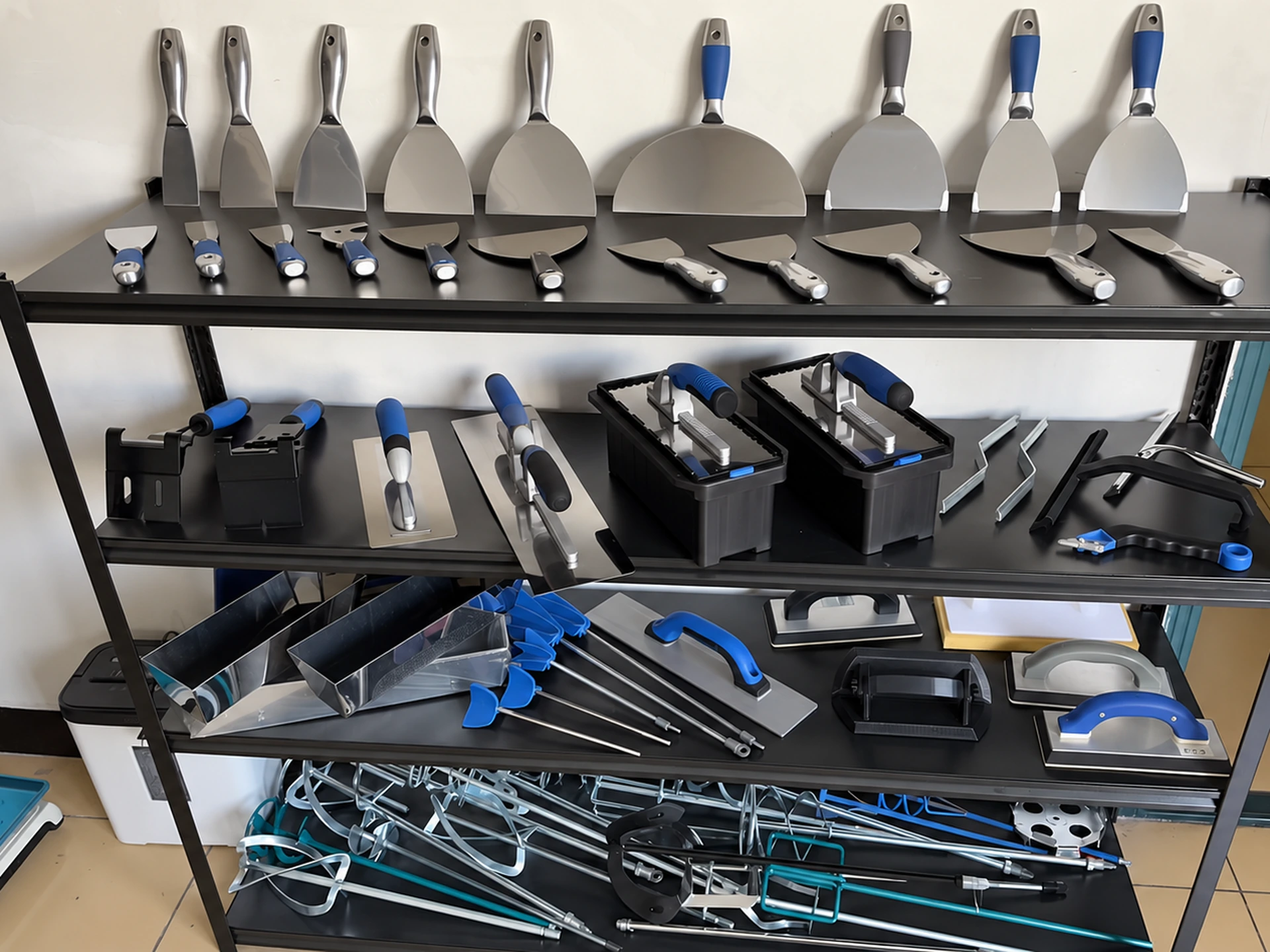
We are finalizing specifications for a new line of hand tool assemblies that pair rigid injection-molded hard-plastic handle cores with soft TPE overmolded grips. Past sourcing runs from other suppliers have delivered inconsistent press-fit results: some grips shift under normal light use, while others are so tight they cause cosmetic whitening on the core during assembly. You now need to define clear, actionable requirements for your Chinese manufacturing partner to eliminate this variation across long-term repeat production, without adding unnecessary cost or delaying your product launch. You are specifically focused on validating that the press-fit interface remains consistent across thousands of molded parts, no unplanned process drift causes fit issues, and you do not need to specify unworkable tight tolerances that raise per-unit pricing.
Q&A
How to Ensure Consistent Press-Fit Between Hard-Plastic Handle Cores and Overmolded Grips
Question
Reply from Trumax
First, we break the press-fit consistency challenge down to three interconnected design and material factors, rather than relying on overly tight dimensional tolerances that add unnecessary cost. The first key factor is core interface geometry: instead of using a fully smooth core surface under the grip, adding shallow, evenly spaced circumferential undercuts or small, rounded retention ribs creates mechanical locking points that reduce slip without requiring micron-level dimensional control. This distributes the overmold material’s shrinkage evenly across the interface, rather than concentrating stress at a single press-fit shoulder.
The second critical factor is matched material shrinkage behavior: you need to select a hard core resin and overmold TPE/TPE family with compatible shrinkage rates when processed at standard commercial settings. Mismatched shrinkage will cause the overmold to pull away from the core or compress it unevenly as both parts cool, leading to variable fit. We also recommend avoiding unvalidated recycled content in either material, as inconsistent filler levels can shift shrinkage batch to batch. A simple pre-production verification step is to mold test cores and overmold grips from the exact resin lots you plan to use, then perform a standard twist test on 10+ sample sets to confirm no slip or core whitening occurs before locking in final geometry. You can share your 3D core and grip files with us to run a full DFM review of the interface next.
From our Zhejiang injection molding plant’s repeat-production workflow, we structure validation and process control to lock in consistent press-fit before full batch runs, rather than correcting defects after production starts. First, we integrate the press-fit requirements directly into our DFM review when we receive your drawing package, marking all critical interface dimensions as controlled check points rather than non-critical cosmetic features. We will document the agreed process window for core molding and overmolding in a signed process control sheet, so every machine operator has clear, non-negotiable parameters to follow for both steps.
Second, we implement a layered sampling plan for production: for the first 50 shots of a new overmold run, our quality team performs a manual fit check and basic twist test on every 5th part to confirm the process has stabilized, rather than waiting for full batch completion. We also isolate pre-qualified resin lots for both the hard core and overmold material to avoid unexpected property shifts from unvetted incoming stock. If you are transferring an existing mold from another supplier, we will run a small trial production first to document the current fit performance, then generate a clear correction list for any tooling adjustments needed to bring consistency in line with your requirements. You can share your existing sample parts or production inspection records with our team to start this assessment immediately.
For project-specific material, process and performance requirements, please provide drawings, samples or usage conditions so they can be confirmed further.