
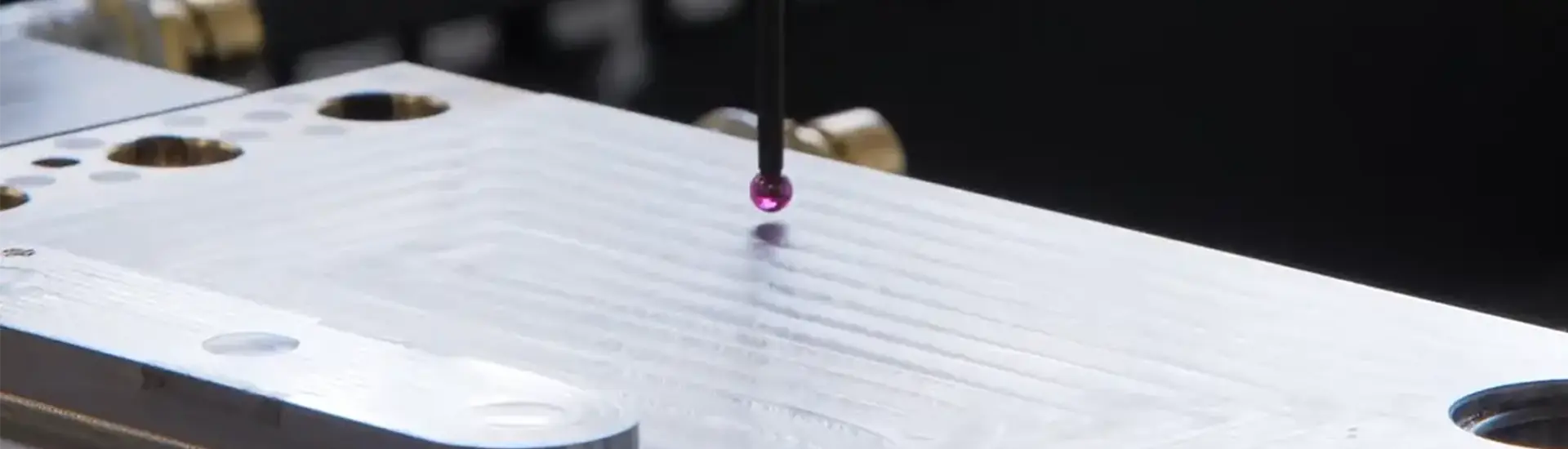
Last quarter, a European OEM drywall tool brand reached out to our Shanghai export fulfillment desk after their previous injection molding subcontractor delivered 80,000 custom TPR handles for their stainless steel putty knife line that failed field pull tests — the handles separated from the blade tang after fewer than 20 hours of heavy job site use, triggering a $320,000 product recall and 90-day delay to their retail launch. The root cause? The subcontractor had cut corners on overmolding tooling cooling channels to reduce costs, leading to inconsistent bonding between the TPR grip and hard plastic core across the run, even though pre-production samples passed all tests.
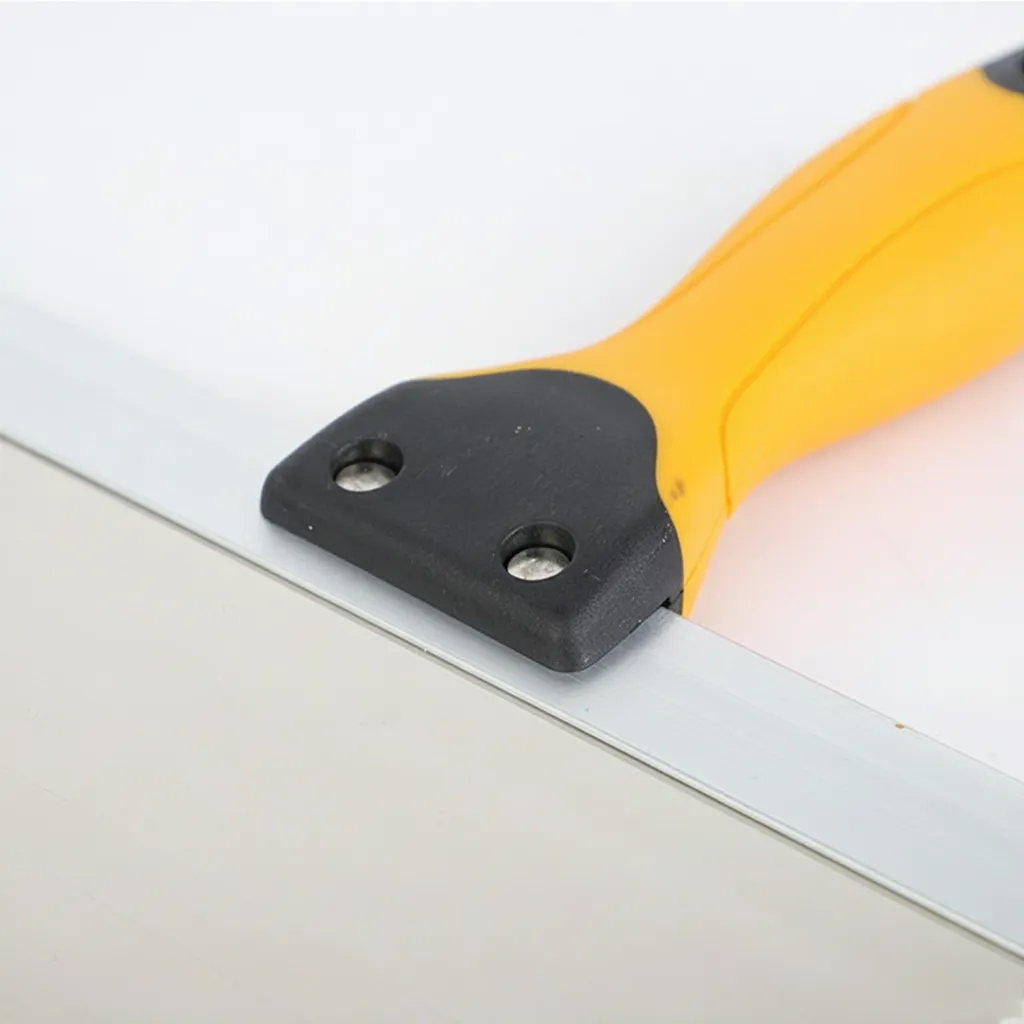
Why Custom Handle Tooling for Private Label Stainless Steel Putty Knives Fails at Volume
For private label programs with 100,000+ annual unit forecasts, tooling failures are rarely visible in pre-production sample runs. Small design compromises that have no impact on 50-unit test batches scale into catastrophic defects once production ramps up, especially when handle production is outsourced to a third-party supplier that does not control the stainless steel putty knife blade stamping and grinding process. The table below breaks down the core differences between in-house high-volume tooling and outsourced low-volume tooling for custom TPR handles:
| Factor | In-House Trumax Tooling for 120k+ Annual Unit Runs | Outsourced Third-Party Tooling for Low/Medium Volume Runs |
|---|---|---|
| Tooling Material Durability | Selected for >1M shot lifespan, aligned with multi-year production forecasts | Selected for minimum shot count to reduce upfront cost, prone to wear after 100k units |
| Mold Cooling Channel Design | Optimized for uniform heat dissipation across multi-cavity runs to eliminate warping and sink marks | Minimal cooling channels to cut tooling cost, leading to 15-20% defect rate at scale |
| TPR to Hard Plastic Bonding Control | In-house process validation for handle-to-blade tang fit, no secondary adhesive required | No integration with stamping/grinding teams, leading to fit gaps that reduce bonding strength |
| Maintenance Schedules for Long Runs | Scheduled maintenance every 50k shots, embedded in production planning to avoid unplanned downtime | No scheduled maintenance, mold degradation only detected after defects reach >10% of a batch |
| Cost Allocation | Upfront tooling cost amortized over 3-year production agreement, no hidden markup | Upfront tooling cost marked up 30-50% by sourcing intermediaries, plus hidden rework fees |
Most buyers assume that any tooling shop can produce custom handles for stainless steel putty knives, but the biggest risk comes from misalignment between the blade tang dimensions (produced in a stamping shop) and the handle slot dimensions (produced in a separate injection molding shop). Even a 0.1mm gap between the tang and slot can reduce the overmold bond strength by 30% or more, leading to field failures that only appear after the product has been shipped to end customers. Trading companies almost never coordinate between these two separate suppliers, leaving you to absorb the cost of defects and recalls.
Our 4-Step Process for Custom TPR Handle Tooling for 120k Unit Annual Private Label Stainless Steel Putty Knife Runs
As a direct manufacturer with integrated stamping, grinding, and overmolding operations at our Zhejiang base, we have refined our tooling process for high-volume private label programs to eliminate the most common failure points. Our process explicitly only applies to programs with 100,000+ annual unit forecasts or multi-year commitments; for lower volume runs, we recommend supplying existing tooling, as dedicated low-volume mold shops will deliver a lower total cost for small batch sizes.
-
Pre-Tooling Design Validation with Cross-Functional Teams
Our stamping, grinding, and injection molding engineering teams collaborate to review your custom handle CAD files and align blade tang dimensions with the handle slot design, eliminating fit gaps before any metal is cut for the mold. We also test TPR resin formulations to match your required grip hardness, cold-weather performance, and slip resistance specifications.
-
Prototype Tooling and Bond Testing
We produce a 20-unit pre-production run of the full stainless steel putty knife (blade + custom handle) and run in-house pull-out and durability tests to confirm the bond strength meets your field performance requirements. We adjust the tooling design as needed to resolve any bonding or fit issues before moving to full production tooling.
-
Full Production Tooling Commissioning and Batch 0 Testing
Once prototypes are approved, we build the full multi-cavity production tool and run a 1,000-unit Batch 0 test to check for defects across the full run, including sink marks, warping, and bonding consistency. All test results are shared with your team in full, no redacted data, so you can validate performance before full production begins.
-
Production Integration and Factory-Integrated Fulfillment
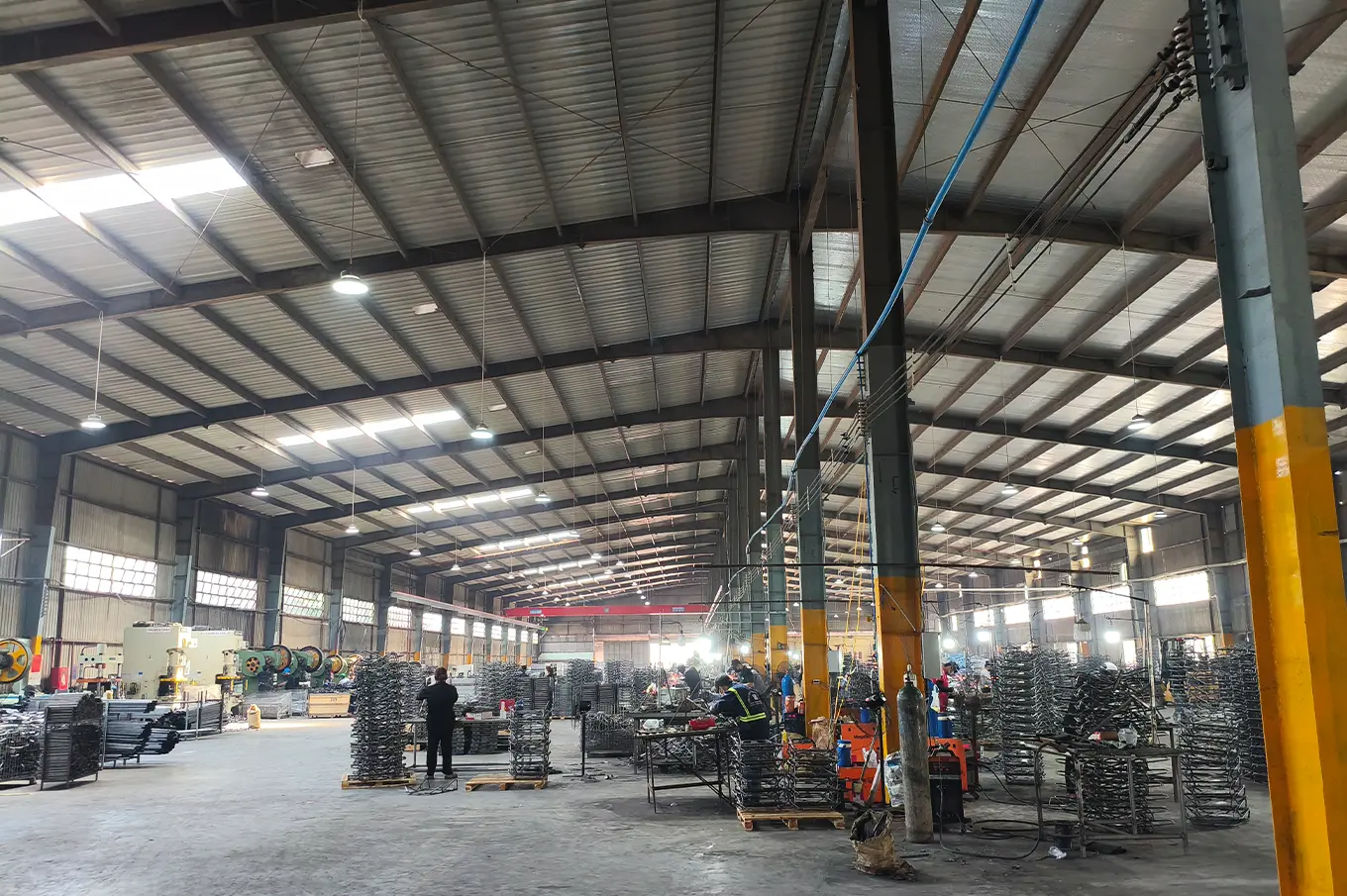
Once Batch 0 is approved, we integrate handle overmolding into our existing stainless steel putty knife production line at the Zhejiang base, eliminating the need to ship blades to a third-party molding shop and reducing lead times by 15-20%. Because we ship our own factory output directly from Shanghai, we can bundle all production, QC, export documentation, and container consolidation into a single contract, with no trading company markup layers.
The Hidden Tooling Risk That Only Shows Up After 100,000 Units
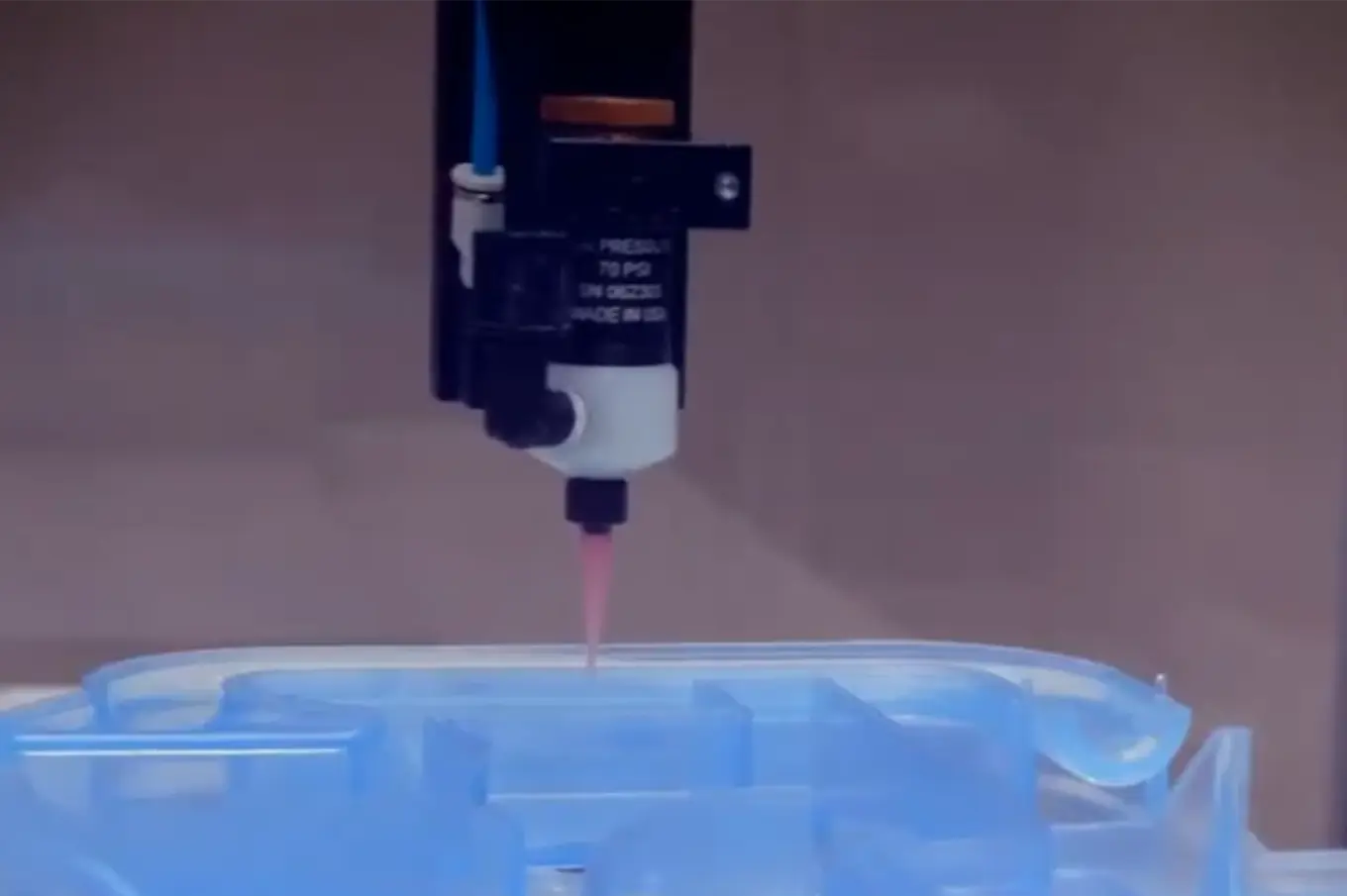
As a 20-year veteran of the hand tool manufacturing supply chain, the most common mistake I see OEM buyers make is only testing tooling performance on small sample runs. For 120k+ annual runs, the most common failure point is gradual mold wear that leads to two hard-to-detect issues: flash buildup around the TPR grip edge, and subtle dimensional shift in the handle slot that weakens the bond between handle and blade. This wear is not visible in the first 50k units, but by unit 80k, defect rates can jump to 10% or higher if the tooling wasn't designed for high-volume runs and maintained on a regular schedule.
We eliminate this risk by building scheduled maintenance into every high-volume tooling program, with a full mold inspection and cleaning every 50k shots, embedded directly into our production timeline so there is no unplanned downtime. Because we control both the blade production and handle overmolding in the same facility, we can also adjust tang grinding dimensions slightly over the run to compensate for any minor mold wear, maintaining consistent fit and bond strength for the full production lifecycle. This level of cross-process coordination is impossible when you source blades from one factory and handles from another.
3 Next Steps to Launch Your Private Label Stainless Steel Putty Knife Line On Time
- Arrange a third-party audit of our Zhejiang manufacturing base to review our stamping, grinding, and overmolding operations, and inspect past high-volume custom handle tooling projects for private label clients.
- Request a sample kit of our existing striking-cap and standard stainless steel putty knives, along with TPR overmolding test coupons to evaluate grip performance and bonding strength for your target use case.
- Share your custom handle CAD files and 120k annual run forecast with our Zhejiang engineering team to get a no-obligation tooling quote and production timeline, with optional tooling amortization over the 3-year program term.
Discuss Your Manufacturing Project
Email your drawings or questions. We reply within 24 hours.