
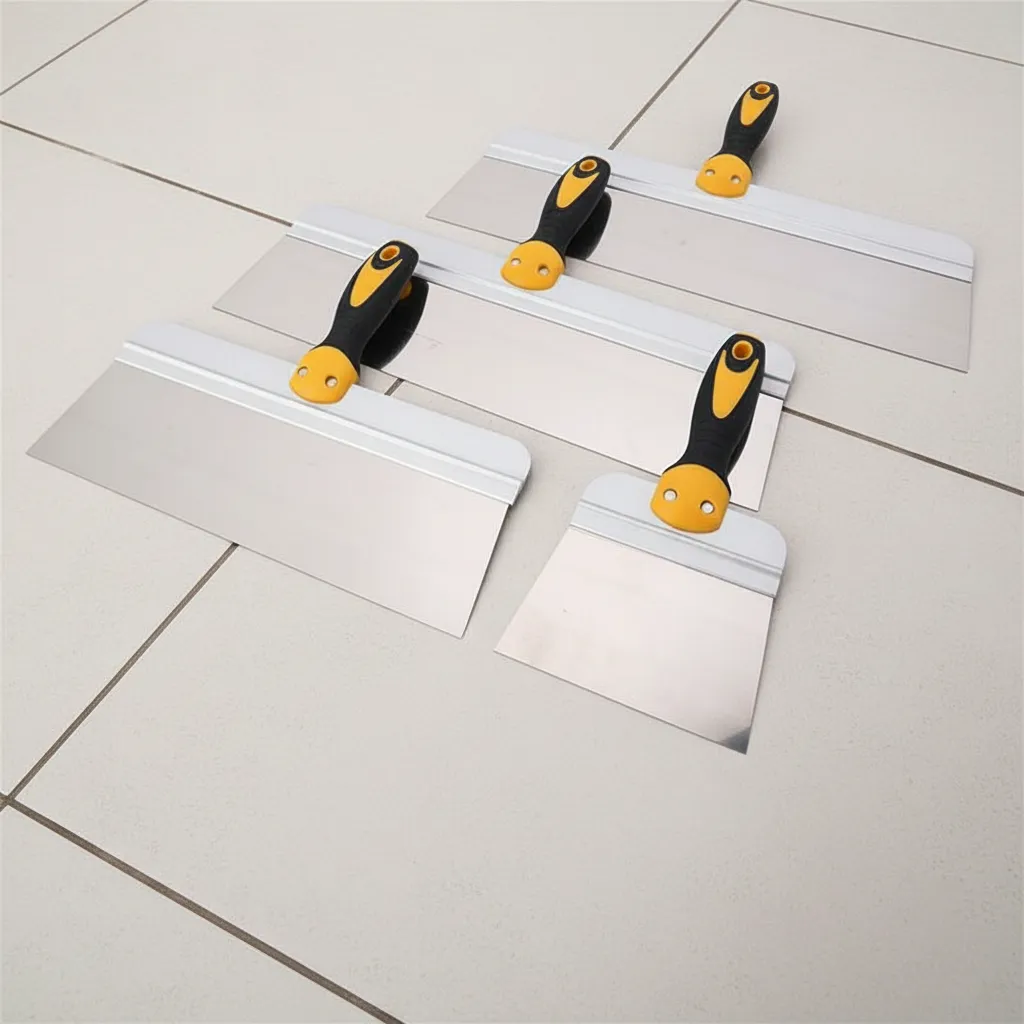
Last quarter, a North American hardware distributor reached out to our Shanghai export fulfillment desk after their previous supplier shipped a 12-container batch of stainless steel striking-cap putty knives that had a 7.2% defect rate, with issues ranging from loose striking caps to uneven blade edges and premature rust spots. They had to absorb nearly $28,000 in return and restocking fees, plus lost 3 repeat bulk orders from regional construction supply chains. As a Zhejiang-based direct hand tool manufacturer, we have built our entire production workflow around eliminating these exact failures for high-volume North American and European OEM programs.
Why Defect Rates Skyrocket When Sourcing Striking-Cap Putty Knives From Non-Integrated Zhejiang Suppliers
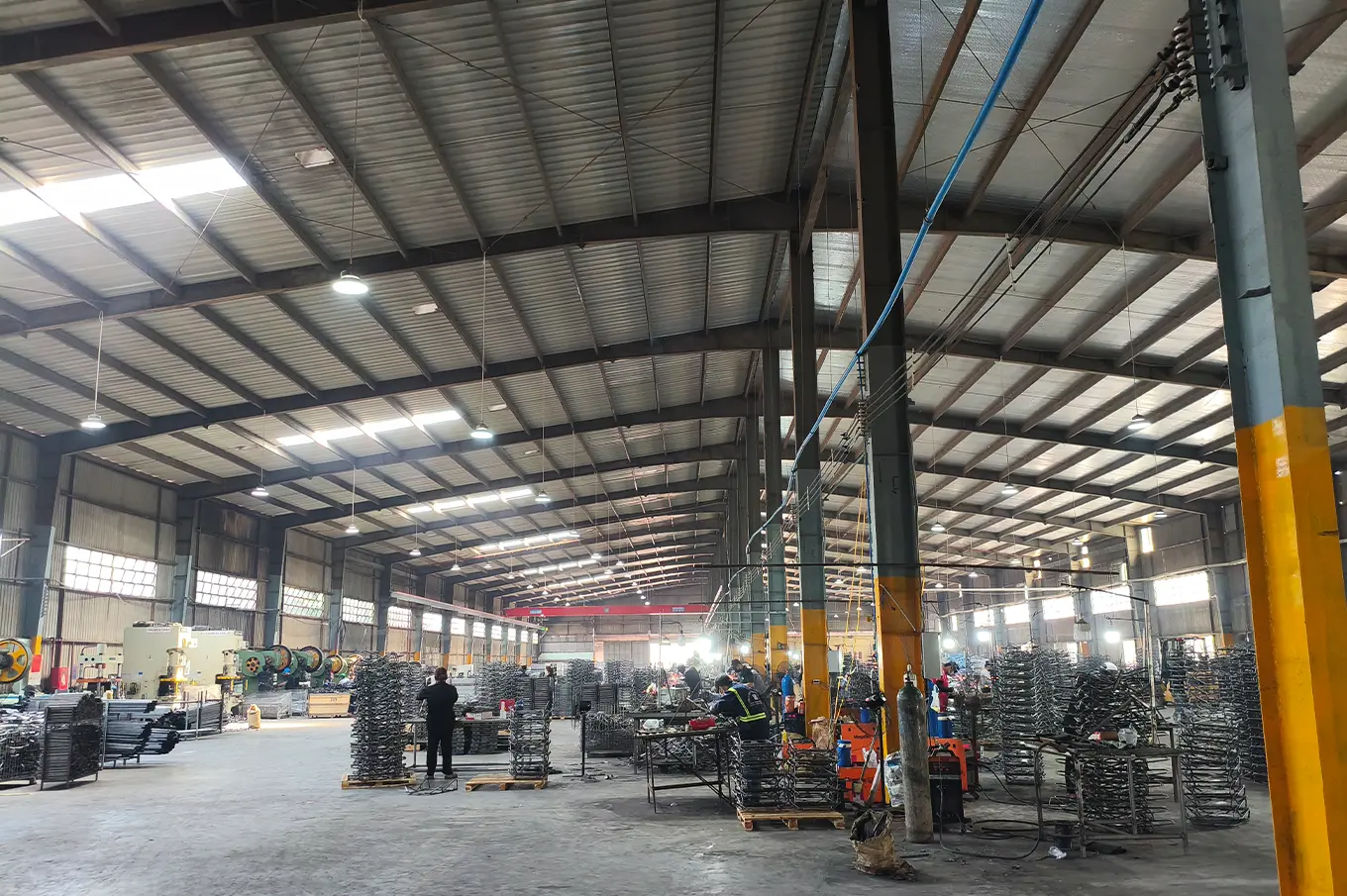
Most high-volume hand tool orders that end up with unacceptably high defect rates trace back to a fragmented production model, where a trading company outsources every individual process step to a different third-party workshop with no unified QC oversight. This model works for low-cost, low-volume commodity tools, but it fails dramatically for 150k+ unit runs of stainless steel striking-cap putty knives that need consistent performance across thousands of units for professional drywallers and plasterers.
| Process Stage | Trumax Direct Zhejiang Factory Workflow | Typical Outsourced Trading Company Workflow |
|---|---|---|
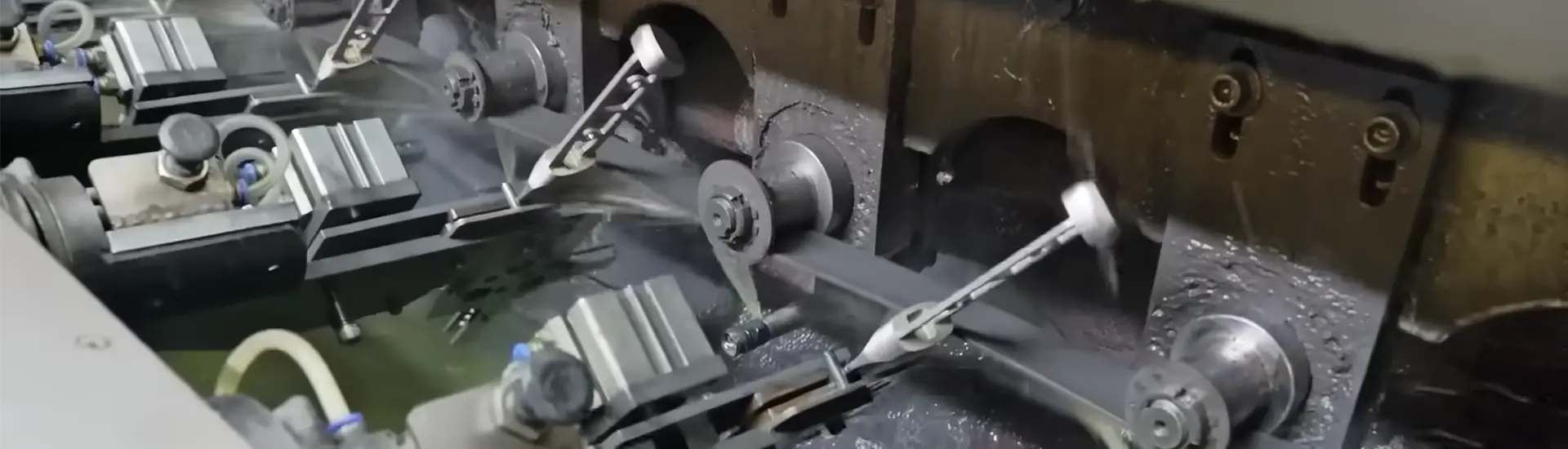
| Stainless steel blank stamping | Completed on-site at our Zhejiang base with dedicated stamping presses calibrated for the specific blade thickness of striking-cap putty knives | Outsourced to the lowest bidder local stamping shop, which may run 10 different product types on the same press line without dedicated calibration |
| Blade grinding and hardness verification | In-house precision grinding stations, with hardness testing completed for every production lot before moving to next stage | Outsourced to a separate grinding workshop, with no cross-lot hardness consistency checks |
| Striking cap crimping | Custom calibrated crimping fixtures set specifically for stainless steel striking caps, no part mixing across lots | Sourced from 2-3 different metal stamping vendors to hit lowest unit cost, with no uniform crimp pressure standard |
| TPR handle overmolding | In-house insert molding process that bonds the full blade tang to the TPR grip with zero adhesive gaps | Outsourced to a random plastic molding shop that uses cheap adhesive to attach pre-made grips, with no bond testing |
| Final batch QC | Random sampling of 2% of every sub-batch before container loading, with 100% visual check for obvious surface defects | Spot check of 0.1% of units, often completed by the trading company admin team with no hand tool engineering training |
The gap between these two workflows is why many distributors see defect rates jump 5-10x when they scale their striking-cap putty knife orders above 100k units, even if the supplier delivered acceptable quality for small 10k-20k trial runs.
Our 5-Step Defect Control Workflow For 150k+ Unit Striking-Cap Putty Knife Orders
We have refined this process over 12 years of producing stainless steel hand tools for North American hardware distributors, to lock in consistent low defect rates even for multi-container orders.
1. Pre-Production Material Batch Validation
Before any stamping begins on a 150k+ unit order, we pull a sample from the full stainless steel coil shipment and run full material verification to confirm no inconsistent alloy mixes are present that could cause uneven hardness across the production run. We also test all incoming striking cap and TPR raw material lots to confirm they meet our pre-defined material specs.
2. In-Line QC Checkpoints At Every Stamping Station
Every operator on our Zhejiang production line is trained to complete a 3-point quality check on every 50 units they produce, before passing the sub-batch to the next station. This catches obvious defects like mis-stamped blade edges or misaligned tangs immediately, rather than letting thousands of defective units move down the line for rework later.
3. Striking Cap Pull-Force Testing For Every 200 Unit Sub-Batch
We test the crimp strength of the metal striking cap on a random unit from every 200 unit sub-batch, to confirm it will not dislodge even under repeated heavy impact from a standard construction hammer. This eliminates the most common warranty claim for professional grade striking-cap putty knives.
4. TPR Overmolding Bond Integrity Verification
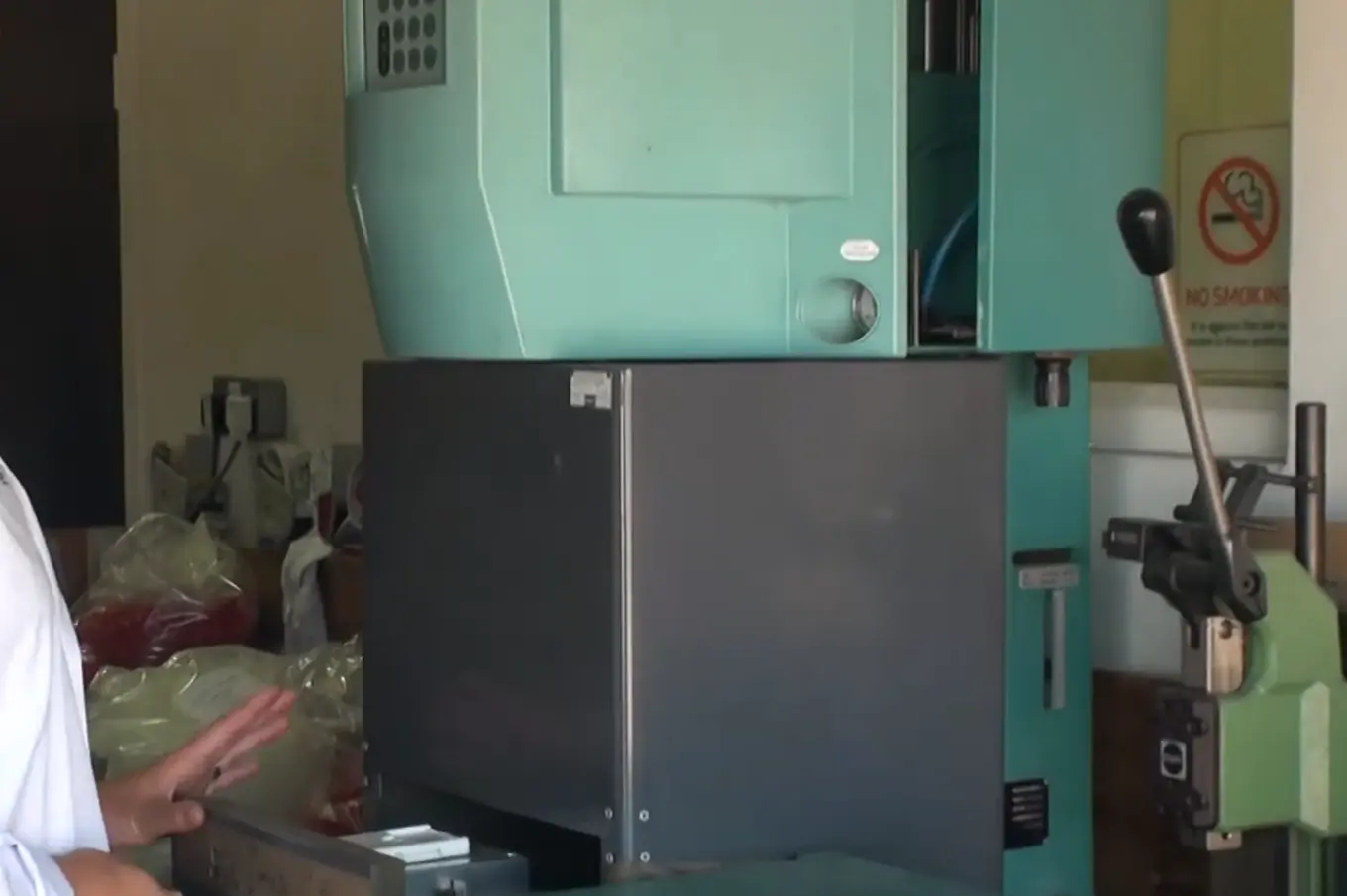
For every sub-batch of TPR-grip striking-cap putty knives, we run a pull test on the handle to confirm the insert molded bond between the blade tang and the soft TPR grip will not separate even after months of heavy daily use on construction jobsites. This eliminates the common failure point where cheap glued handles pop off after a few weeks of use.
5. Final Full Batch Random Sampling Prior To Container Loading
Before any unit is packed for shipment, our dedicated QC team pulls a statistically relevant sample of units from every production lot, to run full visual, hardness and functional testing. Any lot that fails to meet our defect rate threshold is pulled for 100% inspection before being cleared for export.
The Hidden Defect Risk Almost No North American Distributors Audit For On Striking-Cap Putty Knives
Even suppliers that follow basic in-line QC steps often skip one critical test that simulates the 4-6 week sea freight journey from Shanghai to US west coast ports: humidity and salt spray exposure testing. When stainless steel striking-cap putty knives are packed in cartons and stacked inside a sealed shipping container for weeks in high tropical heat, trapped moisture can cause micro-corrosion spots on unpolished blade edges that are invisible at the time of packing, but fully visible when the distributor unloads the container at their warehouse.
Our Zhejiang factory runs accelerated salt spray testing on every pre-production sample batch to confirm the polished stainless steel blade surface and edge finishing will resist corrosion even during the longest sea freight voyages, eliminating this hidden failure point entirely. We also use moisture-absorbent desiccant packs in every export carton to keep relative humidity low during transit, so your units arrive in exactly the same condition they left our production floor.

Many distributors also overlook the fact that inconsistent striking cap crimp pressure across a large run can cause 3-4% of units to have caps that pop off after only 1 or 2 heavy hammer strikes, leading to costly warranty returns from end users. Our unified in-house crimping process eliminates this variation entirely, as every cap is installed on the same calibrated production line with the exact same pressure settings across the full 150k+ unit run.
Next Steps For Your 150k+ Unit Striking-Cap Putty Knife Program
- Book a no-obligation third-party audit of our Zhejiang manufacturing base at a time that aligns with your next scheduled production run, to verify every QC checkpoint in person before committing to a large order.
- Request a free sample kit of our full stainless steel striking-cap putty knife line, including 2 inch, 3 inch and 4 inch blade variants, for your in-house durability and corrosion testing against your current supplier’s units.
- Request a bundled FOB Shanghai quote that consolidates your full 150k+ unit striking-cap putty knife order with complementary stainless steel plastering trowels and drywall taping knives to maximize container load efficiency and reduce per-unit shipping costs.
Discuss Your Manufacturing Project
Email your drawings or questions. We reply within 24 hours.
Related Products
 3 images
4-Inch Stainless Steel Taping Knife
View product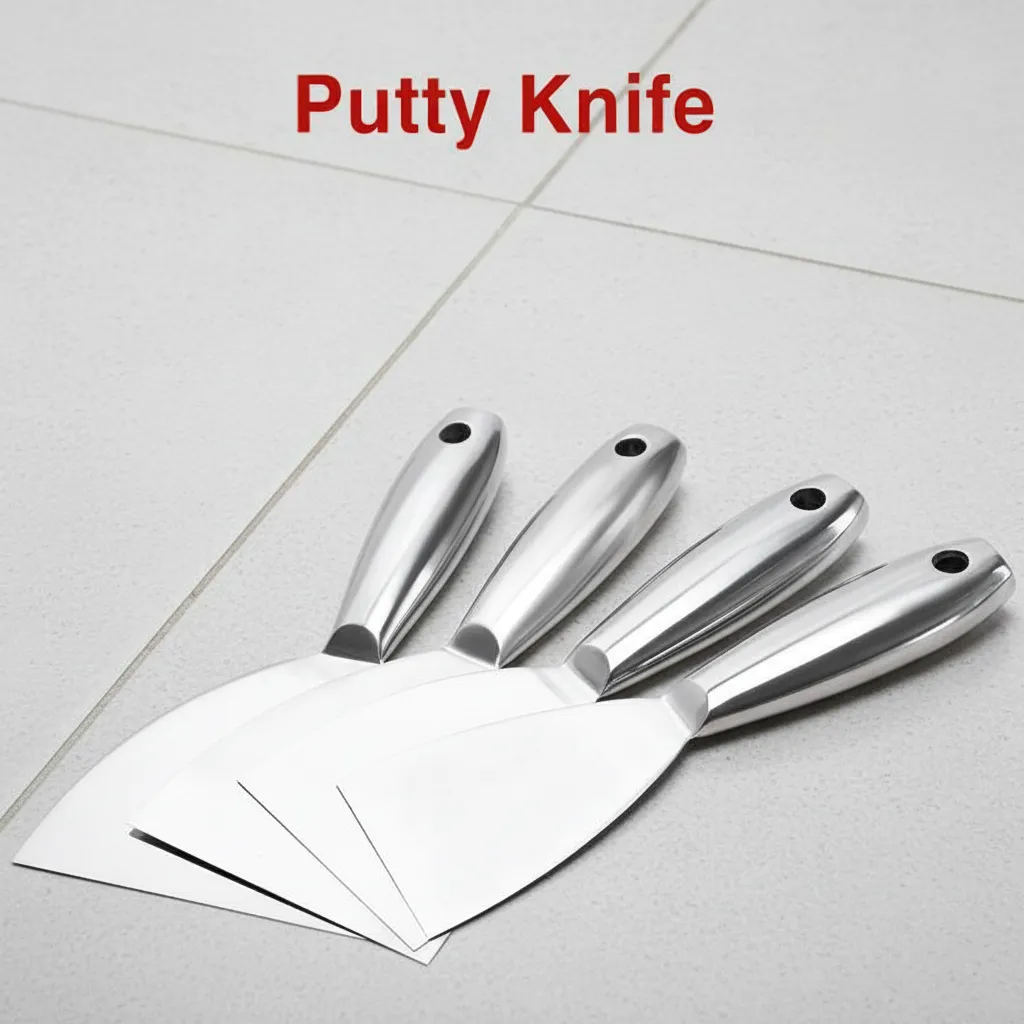 2 images
Unibody Striking Putty Knife
View product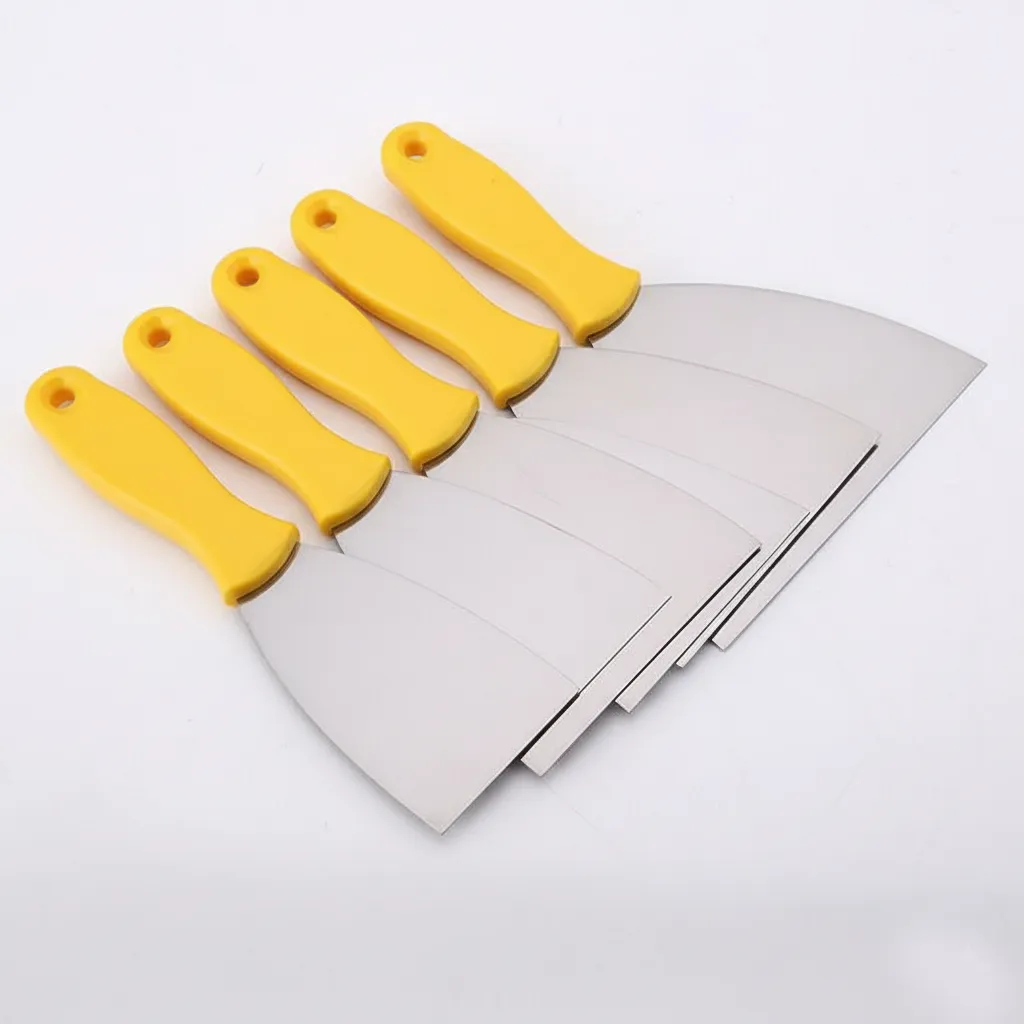 3 images
Steel Putty Knife
View product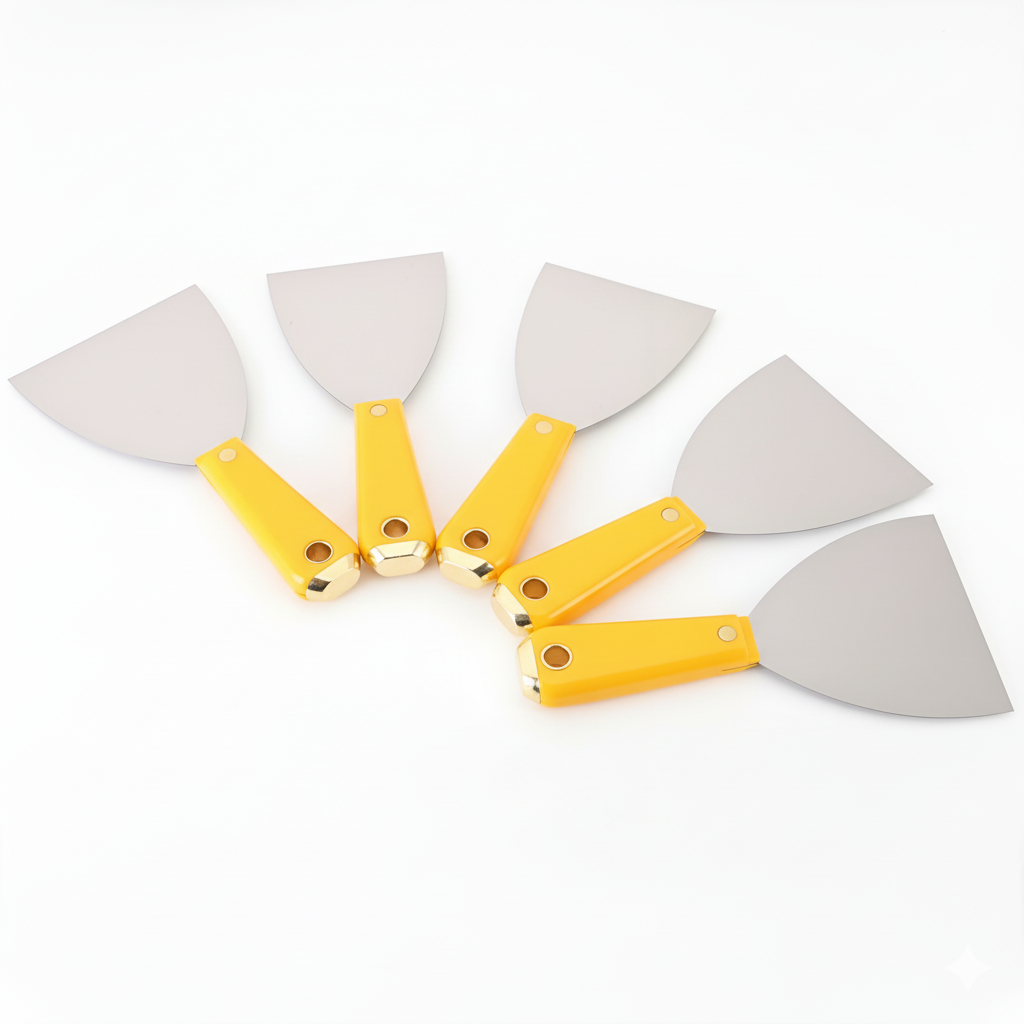 3 images