
Last quarter, a US-based OEM brand that manages a 220,000-unit annual hammer-end putty knife program reached out to our Shanghai fulfillment desk in a crisis. Their previous supplier had shipped a full 40ft container that passed a superficial pre-shipment inspection hosted by the trading company’s local QC rep, but 14% of units failed within 3 weeks of field use: the metal striking cap popped clean off the end of the putty knife when drywall crews tapped in nail sets or scraped hardened joint compound off framing. The brand was on the hook for $132,000 in warranty claims, reverse logistics, and retailer penalty fees, all because their supplier skipped standardized retention force testing to cut 3 cents per unit in production cost.
Why Striking-Cap Retention Failures Slip Past Most Generic Factory QC
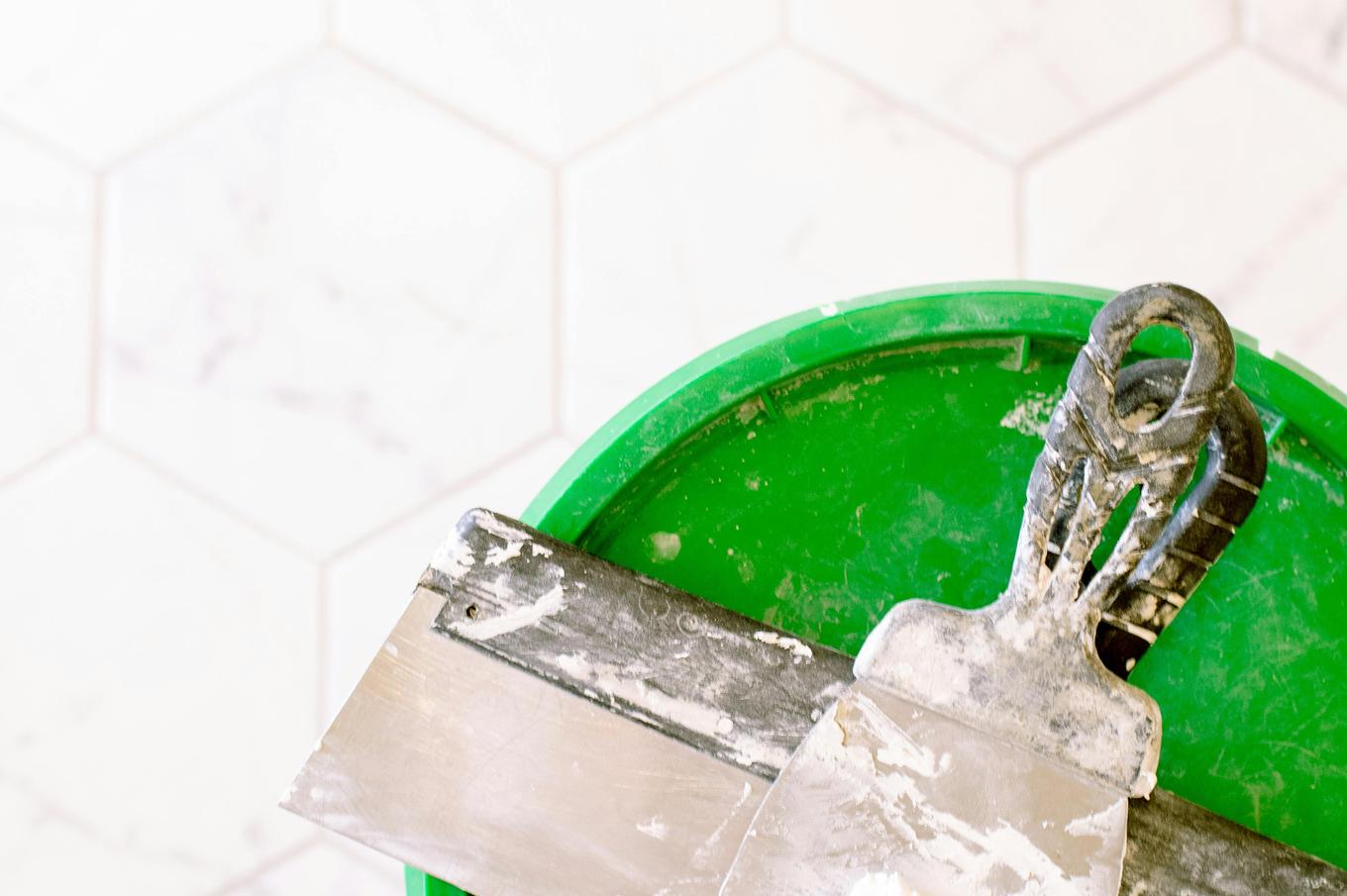
For most sourcing teams, the biggest blind spot with hammer-end putty knives is that they treat the striking cap as a trivial add-on part, not a critical safety and performance component. Many low-cost suppliers source loose, low-gauge striking caps from third-party metal stamping shops, skip regular calibration of their crimping presses, and only test 1 or 2 random units per 10,000 unit batch. Trading companies that act as middlemen never witness this testing first-hand, they just receive a generic printed report from the factory that can easily be faked. The end result is a batch of tools that looks perfect in sample photos, but fails catastrophically in the field, eroding your brand reputation and costing you thousands in avoidable warranty costs.
| Process Step | Trumax Zhejiang Factory Protocol | Typical Third-Party Supplier Protocol |
|---|---|---|
| Incoming striking cap inspection | 100% visual and dimensional check of every incoming cap lot, no off-spec material allowed into production | Spot check 2 units per lot, often uses thinner lower-cost metal to cut per-unit costs |
| Crimping station calibration | Calibrated at the start of every production shift, with documented log kept for full traceability | Calibration only happens when a press breaks, no formal logging process |
| Retention force sampling | 1 unit sampled every 200 units off the production line, no exceptions | 1-2 units sampled per 10,000 units, no formal test criteria |
| Test documentation | Full lot-specific test reports shared with the client before shipment | Generic one-size-fits-all test report provided on request, no lot-specific data |
| Pre-container QC check | Random pull test of 5 units per pallet before container sealing | No final check after production wraps, QC rep only inspects carton labels |
Our Step-by-Step In-House Striking-Cap Retention Testing SOP Before Container Departure
All testing for our striking-cap putty knives happens 100% on the floor of our Zhejiang manufacturing base, no outsourced third-party labs, no third-party lab delays, no gaps in visibility for our enterprise clients. We built this SOP specifically for high-volume annual programs, after decades of feedback from North American and EU tool brands that had suffered costly field failure events from under-tested tools.
Step 1: Pre-production crimping station calibration verification
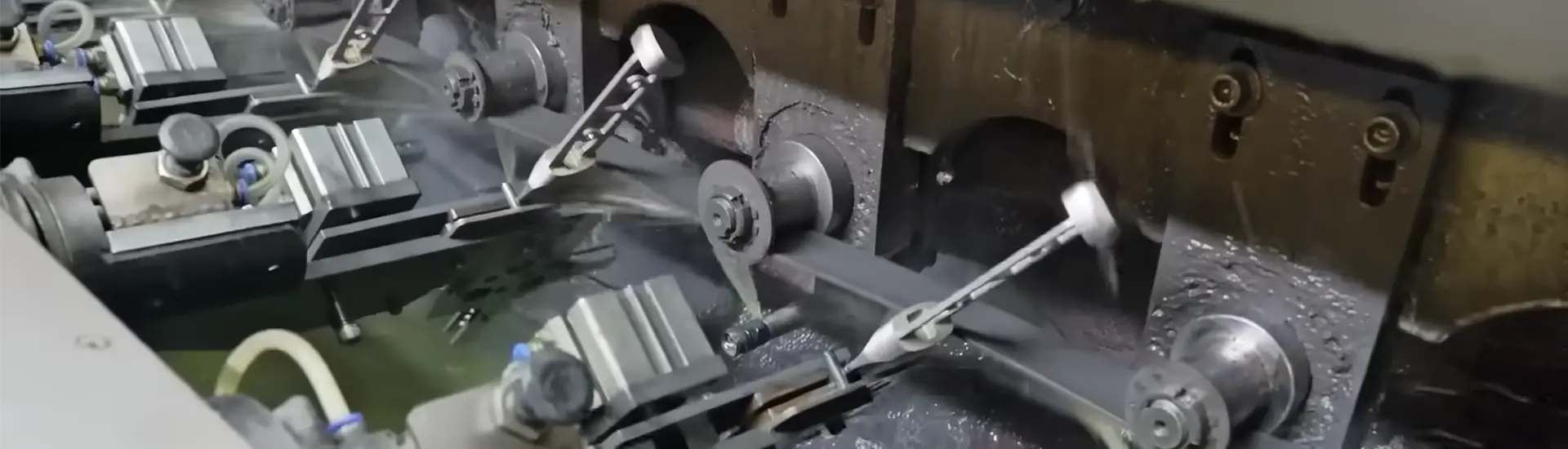
Before any batch of striking-cap putty knives enters production, our line lead verifies that all crimping presses are calibrated to the exact pressure required to create a permanent, tight bond between the reinforced end of the stainless steel blade and the metal striking cap. We log every calibration check in our digital production system, and share that log with the client upon request for full transparency.
Step 2: Static pull-out force testing on production line samples
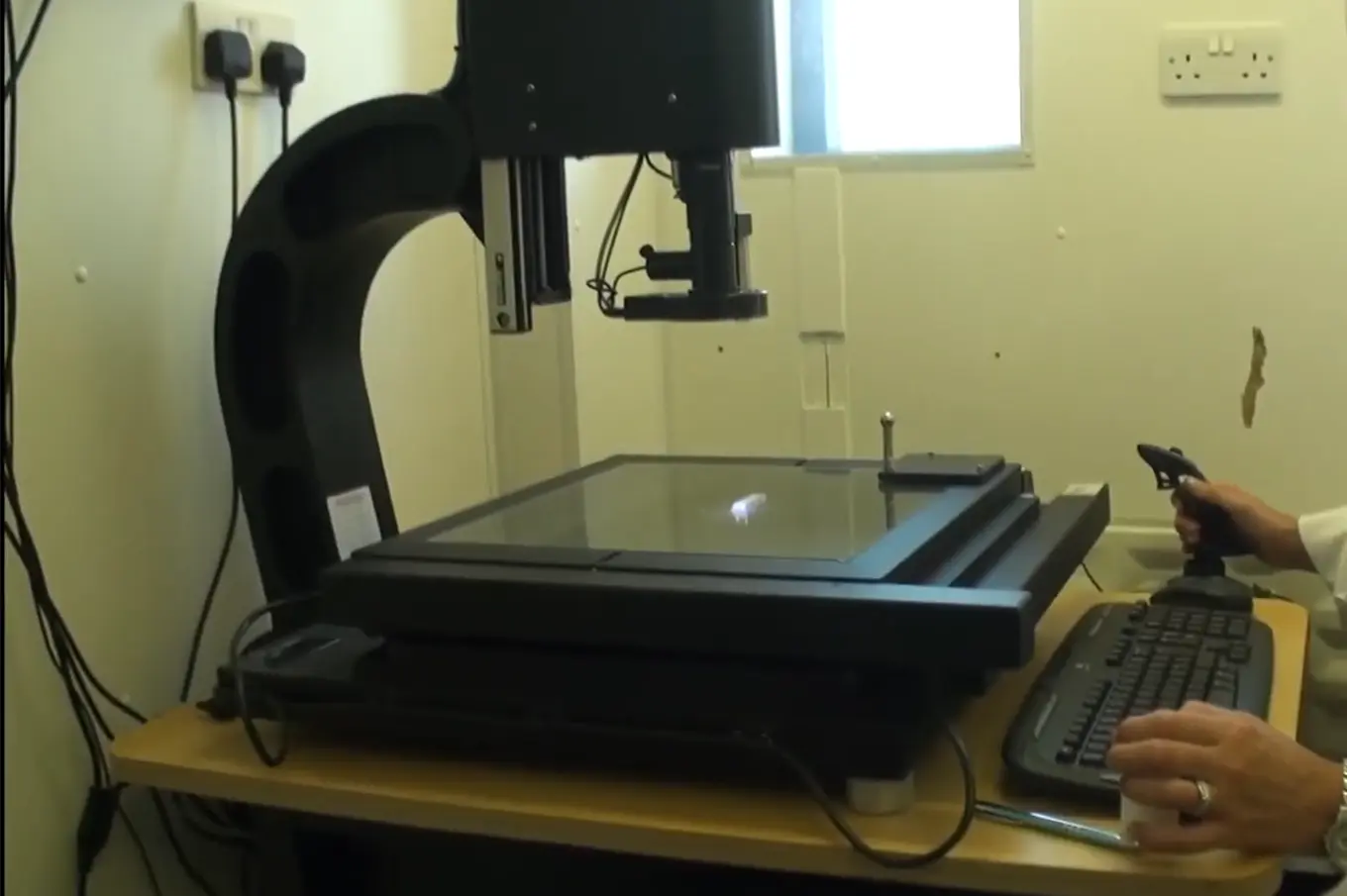
Every 200 units coming off the crimping line is pulled directly into our in-house testing lab, where technicians attach a calibrated fixture to the striking cap and apply controlled, steady pulling force to confirm the cap does not separate from the blade at the minimum required threshold. Any sample that fails triggers an immediate full line check, and the previous 200 units are pulled for 100% re-inspection before moving further down the production line.
Step 3: Simulated dynamic strike cycle validation
Once static pull testing is complete, we take 3 additional samples from every 5,000 unit lot and run dynamic repeated strike testing, where the cap is hit repeatedly at job-site typical force to simulate months of real world use. We do not pass any batch where the cap shows even minor loosening after the full cycle of strikes, a step that 90% of competing suppliers skip entirely.
Step 4: Final pre-shipment pallet audit
After all units are assembled, packaged, and stacked on pallets in our Zhejiang warehouse, our QC team pulls 5 random units from different pallets for one final retention force check. Only once all tests pass do we send the full batch to our Shanghai factory-integrated fulfillment office, where our team handles all export documentation, container consolidation, and FOB Shanghai loading. Because we own 100% of the production and fulfillment process, there are no hidden QC blind spots between the factory floor and the port.
For clients running multi-year 100k+ unit annual programs, we can also fully customize our testing parameters to match your exact internal engineering performance requirements, with no extra lab markup or third party coordination fees.
The Hidden Testing Gap No Trading Company Will Show You
Most enterprise procurement teams do not realize that the standard "pre-shipment inspection" service that trading companies offer does not include witnessing actual retention force testing on the factory floor. The vast majority of third party QC reps only show up to count cartons, check packaging labels, and snap a few photos of random tools on a table — they never step foot in the testing lab, never verify press calibration logs, and never confirm that the test reports they are handed are actually for your specific production lot. The end result is that you pay a 15-25% markup to the trading company for a QC guarantee that is completely meaningless, because they have no direct control over the production process or testing protocols.
We have had clients share stories of trading companies that presented them with test reports for striking-cap putty knives that were actually generated 2 years prior for a completely different client order. When you work with a direct manufacturer that runs all testing in-house at their own Zhejiang facility, you eliminate that risk entirely: you can audit every step of the testing process, access full lot-specific logs, and confirm that every unit in your container meets your exact performance standards before it leaves the factory gate. Even subtle issues, like minor crimp pressure drift that would lead to cap loosening after 3 months of heavy use, are caught long before the batch ever makes it to the port.
3 Steps You Can Take Today To Eliminate Striking Cap Failure Risk
- Request a free sample kit of our standard striking-cap putty knives, with pre-attached full batch retention force test reports for your internal engineering team to validate against your performance requirements.
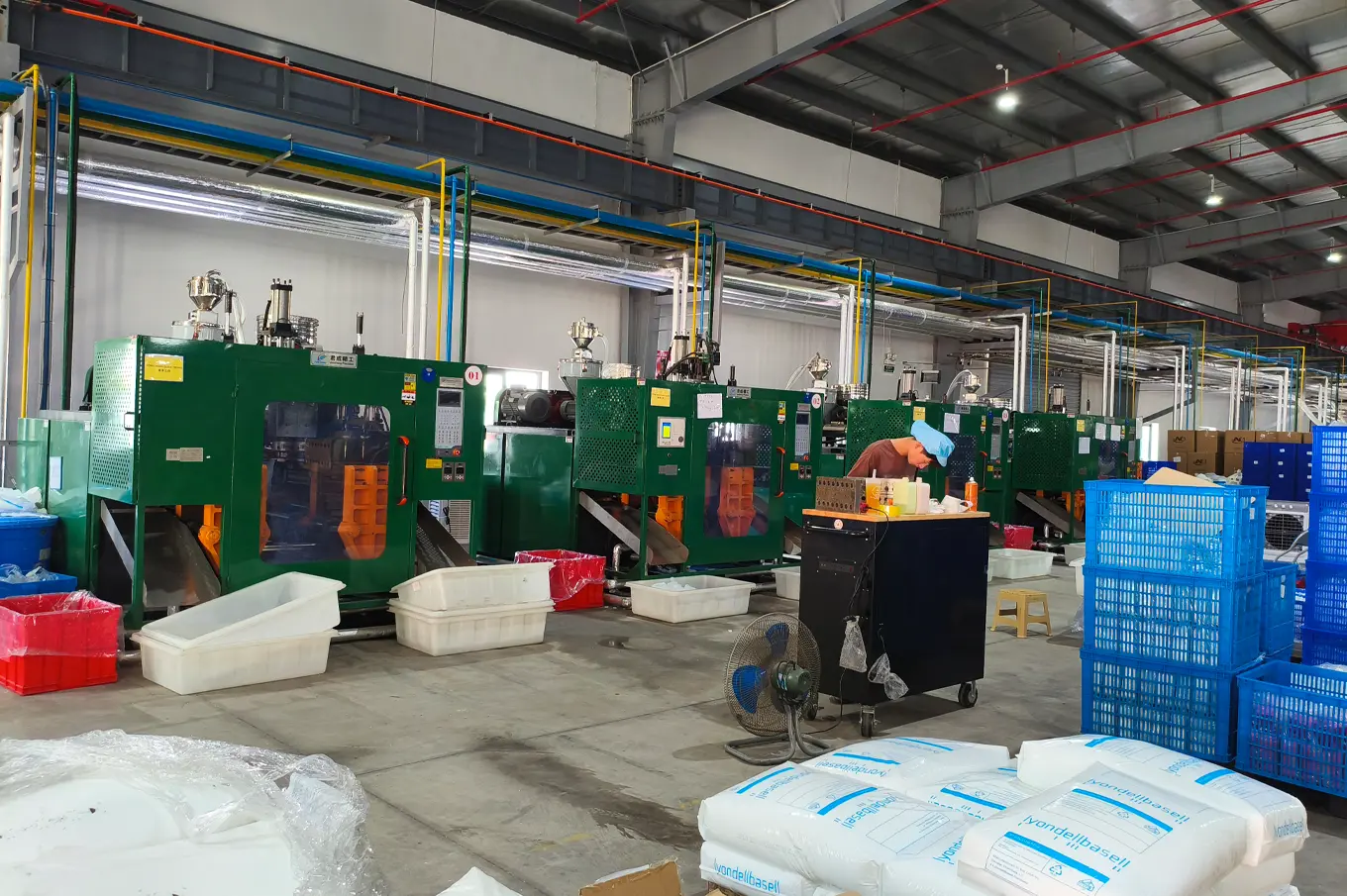
- Book a no-obligation virtual or in-person tour of our Zhejiang manufacturing base, where you can observe our striking-cap retention testing stations running live production batches and review full calibration logs on site.
- Reach out to our Shanghai factory-integrated fulfillment team to get a consolidated FOB Shanghai quote that bundles full production, complete lot-specific test documentation, and container consolidation for your next annual hammer-end putty knife program.
Discuss Your Manufacturing Project
Email your drawings or questions. We reply within 24 hours.
Related Products
 3 images
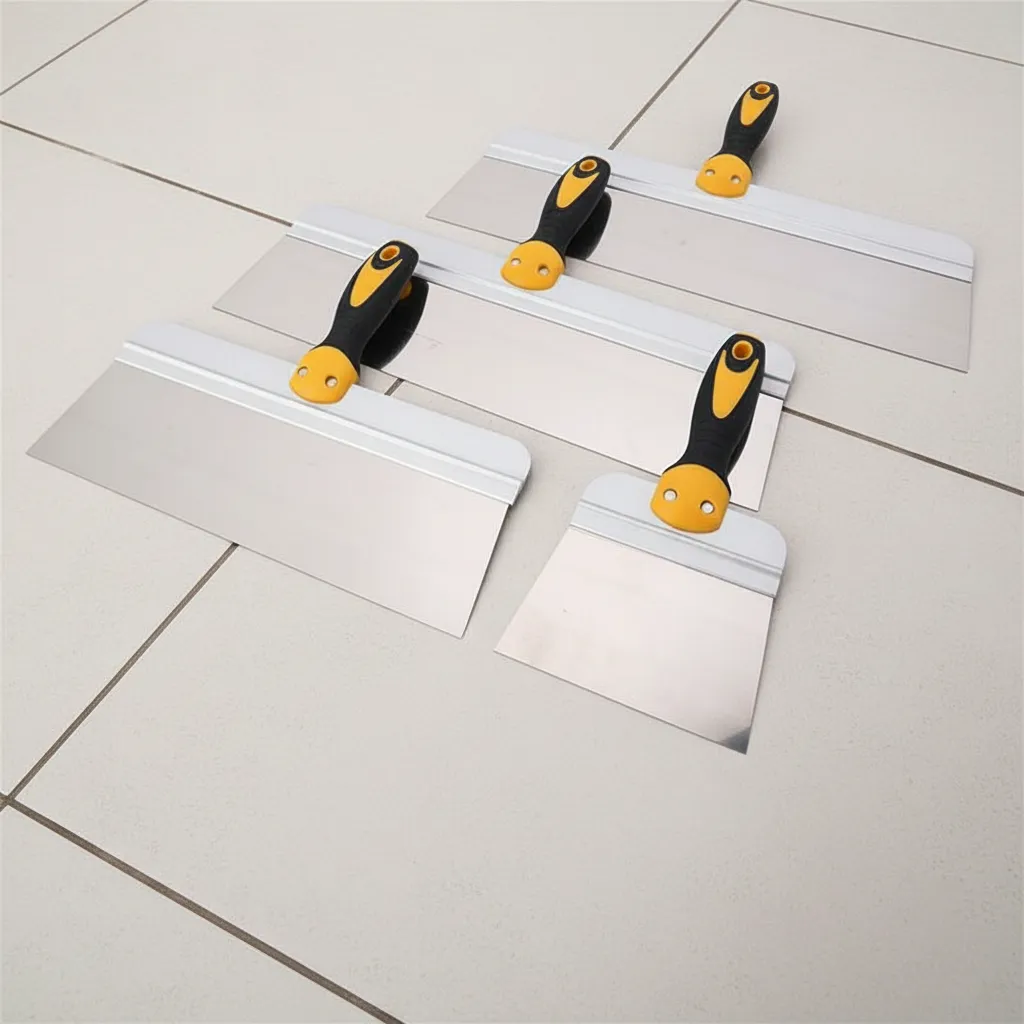
4-Inch Stainless Steel Taping Knife
View product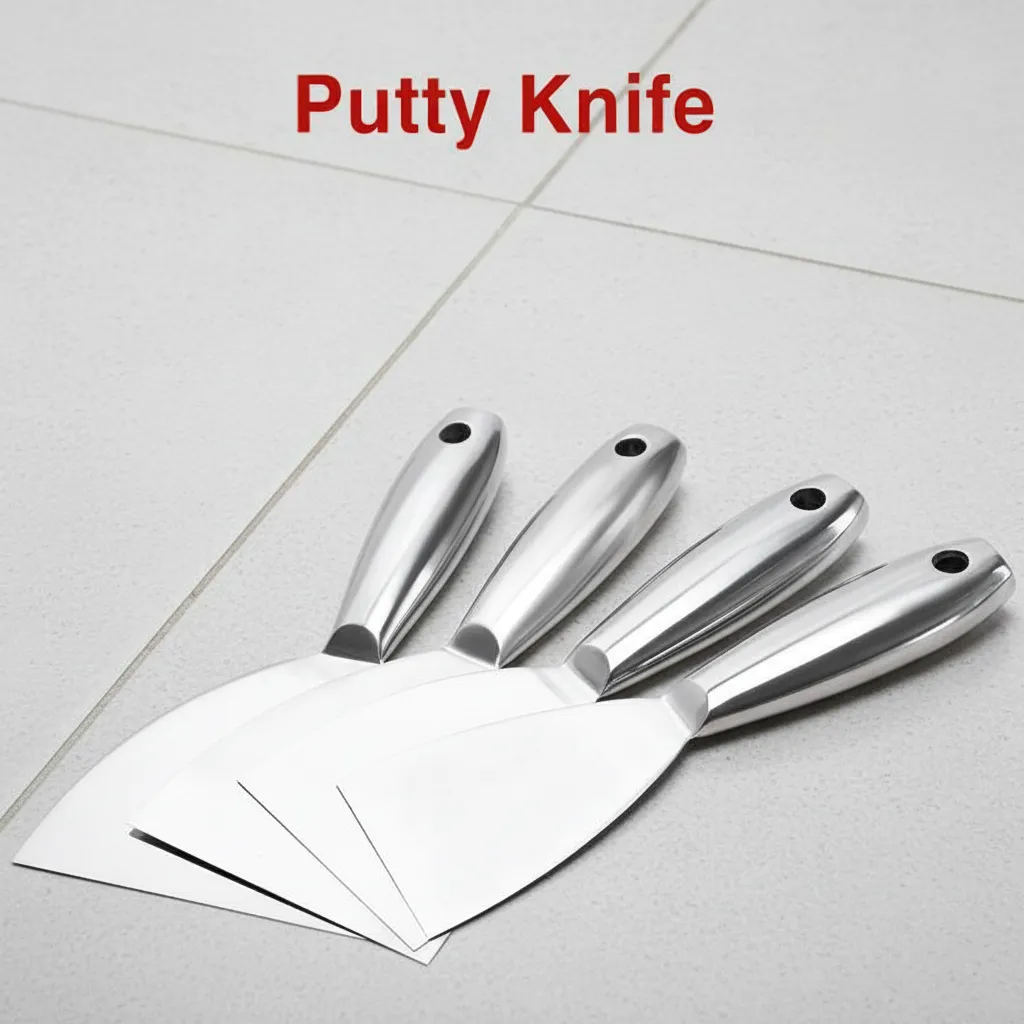 2 images
Unibody Striking Putty Knife
View product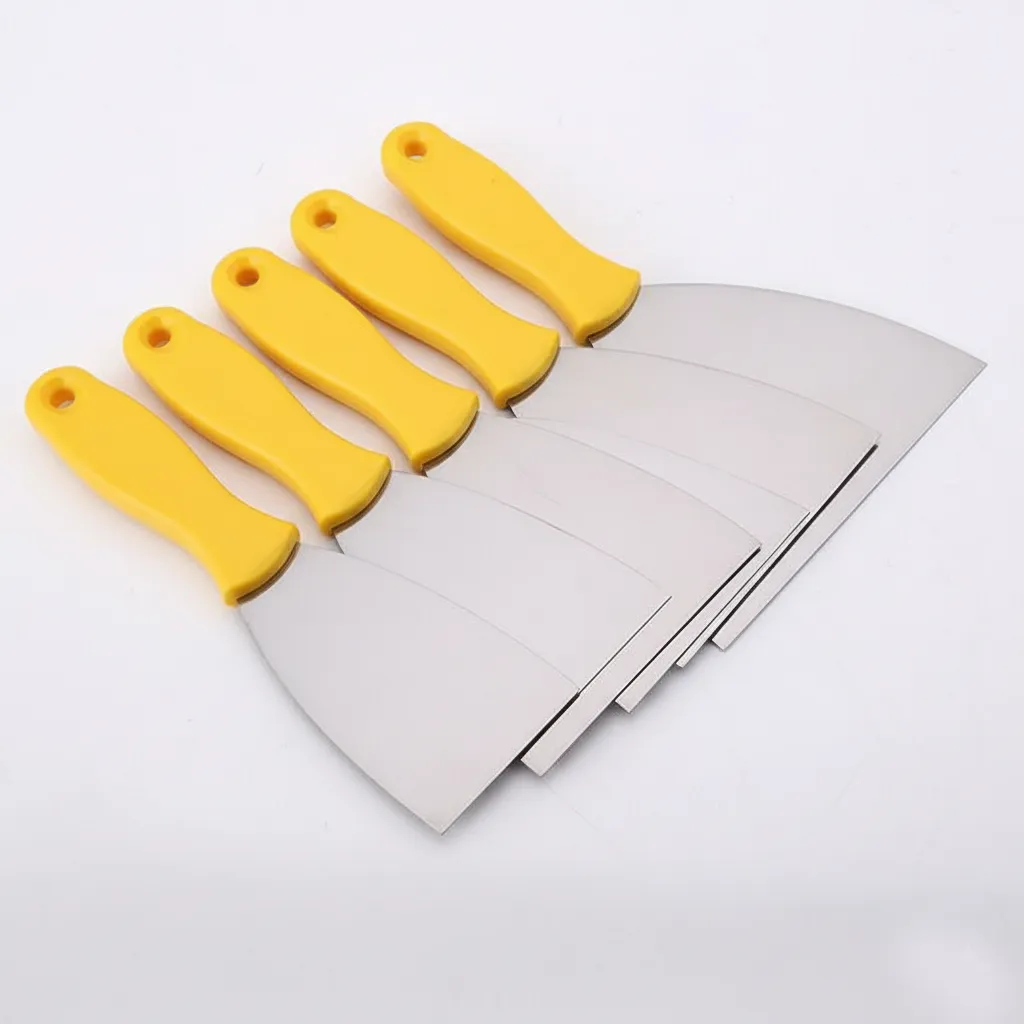 3 images
Steel Putty Knife
View product 3 images