
Last quarter, a North American wholesale hardware importer contacted our Zhejiang factory directly after a container of hammer-end putty knives from a previous Chinese trading-company supplier exhibited striking cap deformation after just a few drops onto job-site surfaces. The caps would mushroom, crack, or even shear off entirely, making the knives unusable for drywall installers who rely on the hammer-end to set nails and tap panels. The buyer had already lost one key retail account due to field failures, and he needed to know: what material selection and stamping processes could reliably prevent this defect?
Why Striking Caps Fail on Hammer-End Putty Knives from China — A Root-Cause Engineering View
At our Zhejiang manufacturing base, we’ve reverse-engineered dozens of failed striking caps from North American and European job sites. The deformation rarely stems from a single material flaw. Instead, it’s a cascade of compromises that starts with off-the-shelf blank steel and ends with insufficient cap attachment — all of which can be traced back to the sourcing model a buyer uses.
To make the failure chain concrete, compare the typical outsourced Chinese supplier process to the in-house, integrated approach we run at Trumax’s Zhejiang plant:
| Process Element | Typical Outsourced Chinese Supplier | Trumax Zhejiang In-House Process |
|---|---|---|
| Blank Steel Source | Commodity-grade stainless from multiple mills; batch-to-batch hardness varies | Long-term mill partnerships with incoming hardness verification; only blanks with consistent ductility selected for hammer-end models |
| Cap Stamping Method | Single shallow draw; thin cap wall prone to buckling | Deep-draw progressive stamping with controlled thickness distribution; cap wall retains full material strength |
| Cap-to-Tang Attachment | Spot welding or simple press-fit; weak mechanical lock | Reinforcement welding combined with a precision-formed tang seat; metal striking cap becomes a structural extension of the blade |
| In-Line QC Testing | Visual inspection only; no impact simulation | In-house impact rig tests samples from every production lot; cap must withstand repeated drop cycles without deformation or looseness |
| Traceability | No batch-level tracking; impossible to isolate root cause | Full lot traceability from steel receipt to finished knife; any quality event can be traced to specific production parameters |
The table makes one point clear: a striking-cap putty knife is a dynamic, impact-loaded assembly, not a simple stamped shape. When a China manufacturer treats it as a commodity and outsources each production step, the weak link migrates to where control is lost — typically at the cap-to-blade junction.
How Our Zhejiang Factory Prevents Striking Cap Deformation at Scale
Based on feedback from enterprise buyers who’ve experienced cap failures, we’ve hardened our production workflow specifically for hammer-end models. Here’s the step-by-step control logic that a buyer should demand from any China factory claiming to solve this problem — and that we execute under one roof.
1. Selecting Stainless Steel Blanks That Handle Repeated Impact
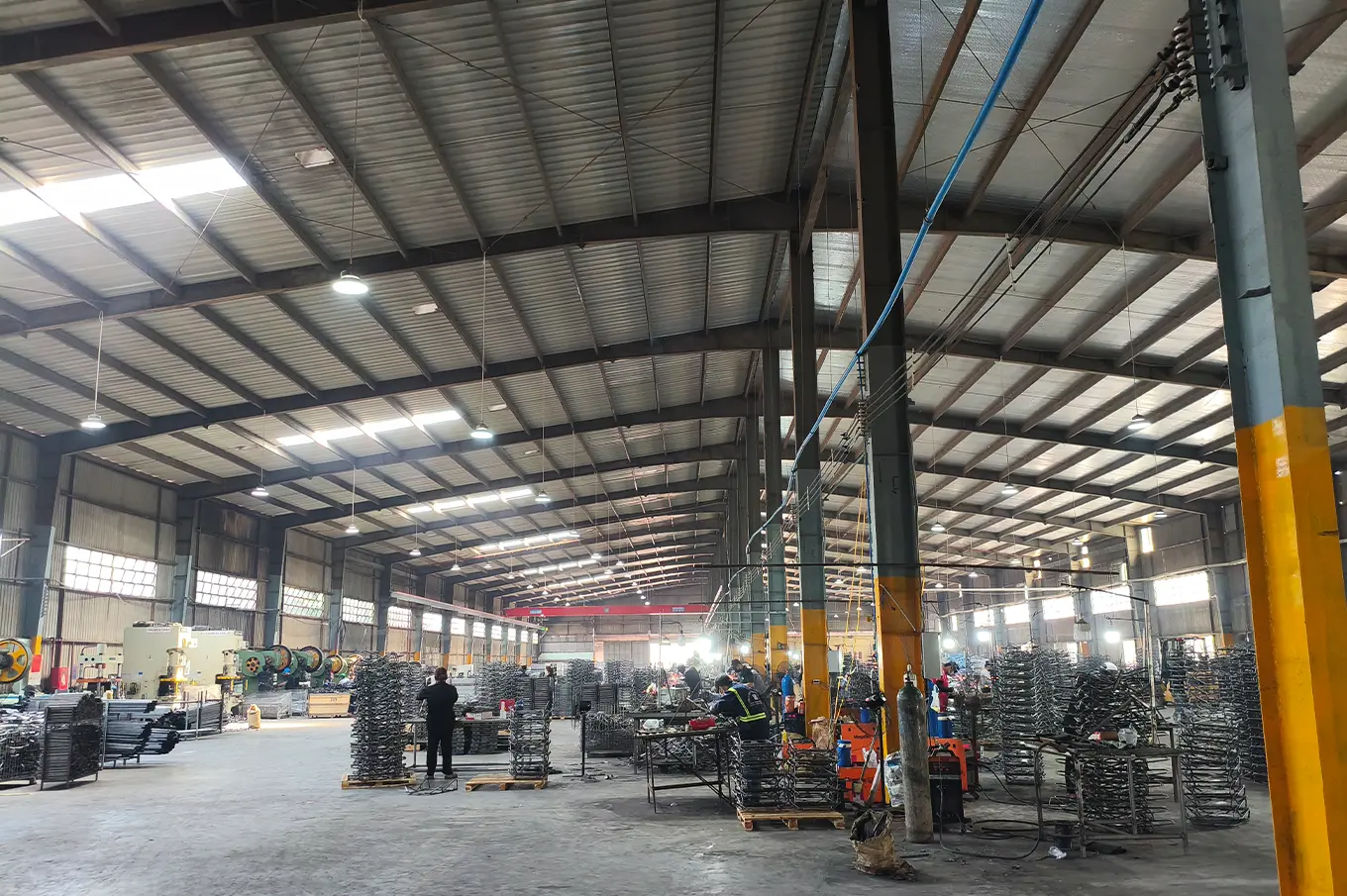
Not all stainless steel is suitable for a striking cap. The ideal blank must balance hardness with enough ductility to absorb impact without cracking. At our Zhejiang stamping shop, we reject batches that fall outside a narrow hardness window — verified by in-house testing before the first die touches the metal. This upfront gating ensures that the same blank used for the blade also supports the cap’s function; there’s no patchwork solution later.
2. Precision Stamping with Deep-Drawn Cap Geometry
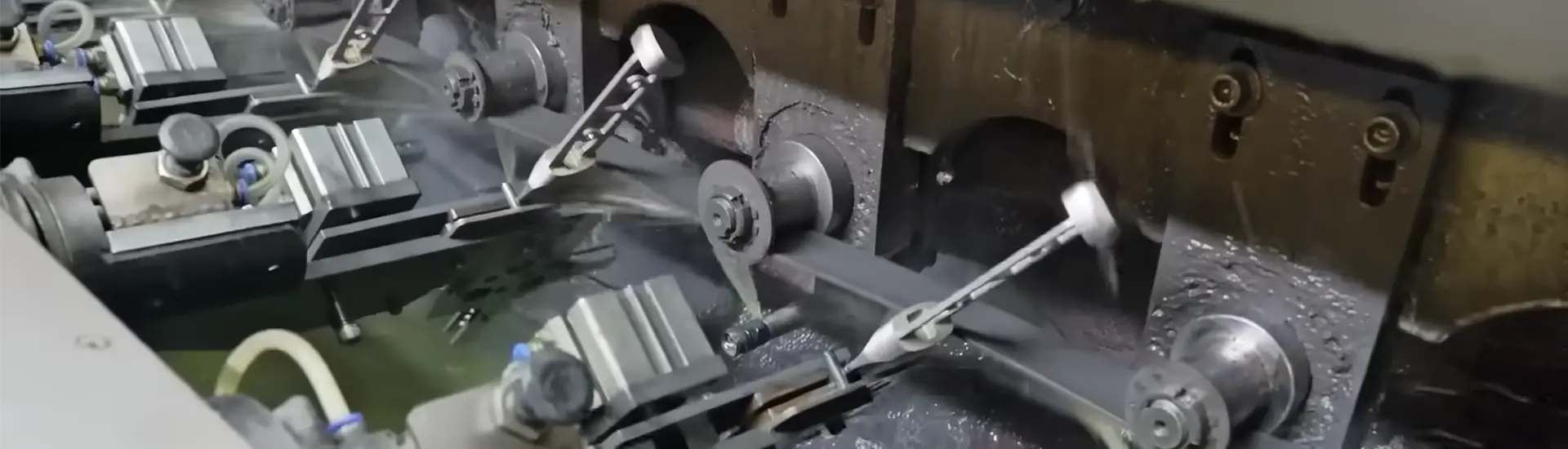
The striking cap’s ability to survive thousands of hammer blows depends on how it’s formed. A simple shallow draw produces a thin-walled cap with a flat top that mushroom easily. We use a deep-draw progressive die set that redistributes material thickness across the cap profile, creating a slightly domed top and a thicker sidewall exactly where impact stress concentrates. This geometry changes the failure mode from buckling to uniform load spreading.
3. Reinforcement Welding That Makes the Cap a Structural Element
The real secret to longevity isn’t just the cap material — it’s how the cap connects to the blade tang. We machine a matching seat into the tang that accepts the cap as a male-female interlock, then apply a reinforcement weld around the full perimeter. This transforms the assembly from a simple friction joint into a structurally integrated striking surface. In our impact rig testing, this joint consistently outlasts caps that are merely spot-welded or press-fit.
4. In-House Impact Testing Tied to Lot Numbers
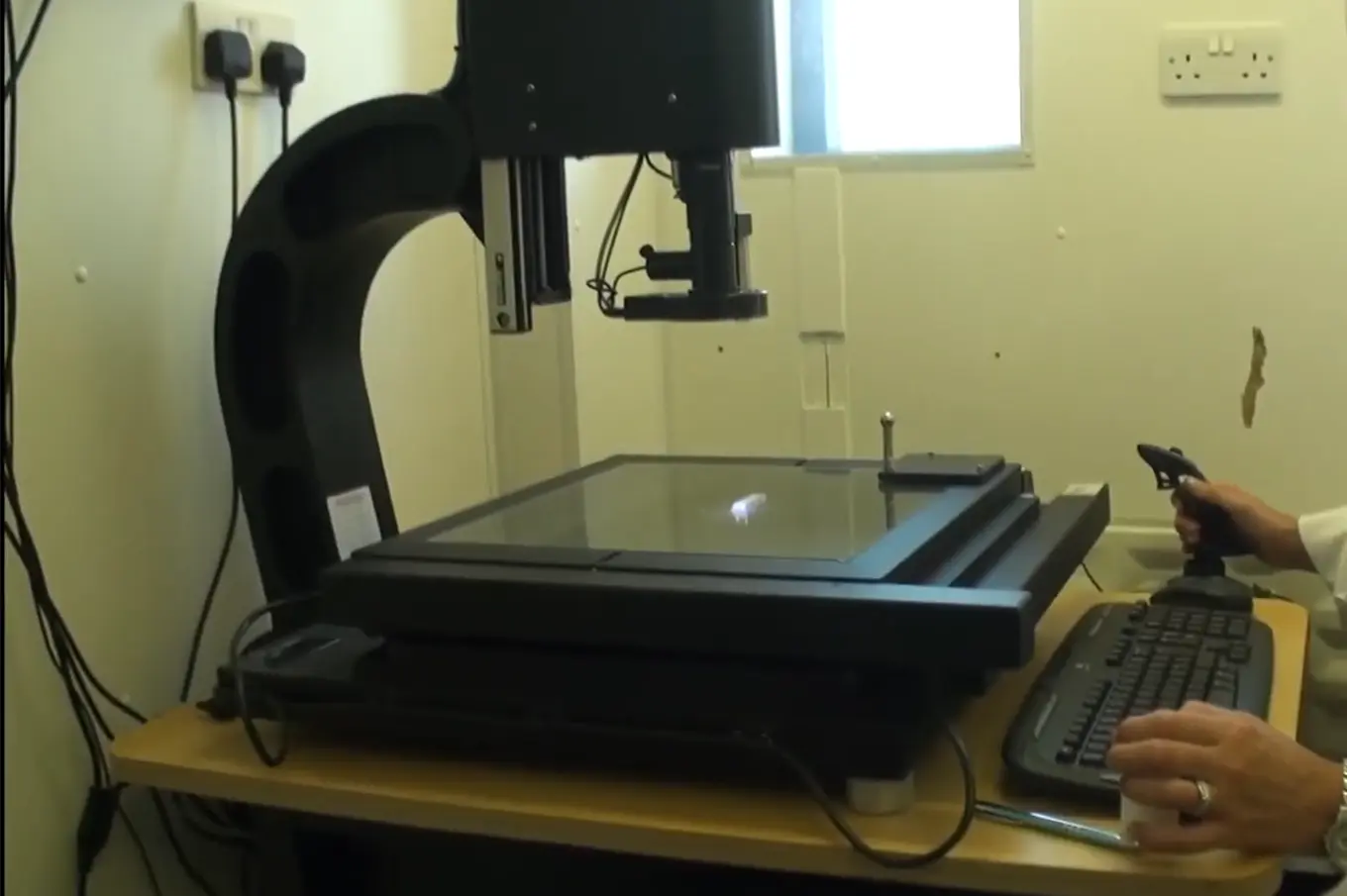
Every production lot of hammer-end putty knives goes through a series of controlled drop tests on a steel anvil — simulating real job-site use. We measure cap deformation after a fixed number of cycles and track results against historical data. If a lot drifts, we immediately isolate the cause and adjust the stamping parameters. This feedback loop is impossible to replicate when production is scattered across subcontractors.
The Hidden Problem: How Striking Cap Deformation Masks a Blade-Bonding Weakness
After analyzing many failed samples, we’ve observed a subtle pattern: a deformed cap is often the first visible symptom of a poor bond between the blade tang and the plastic handle core. When the plastic around the tang begins to micro-crack from impact energy, the metal cap loses its rigid backing and begins to shift. Even a well-formed cap will eventually loosen or mushroom if the handle assembly isn’t engineered to absorb and dissipate shock.
Our Zhejiang plant addresses this in two ways. First, we use insert-molded TPR overmolding that completely encapsulates the tang and extends into the handle body, creating a continuous shock-absorbing zone. Second, the striking cap’s tang seat is designed to protrude slightly into the TPR overmold, locking the metal cap to the polymer as a unified system. This dual-lock approach means impact energy travels from the cap, through the tang, and into the handle without concentrating at any single interface — a crucial detail that typical China trading-company suppliers rarely control because they don’t own the injection molding step.
For buyers, the lesson is clear: don’t just evaluate a striking cap in isolation. Request cross-section samples that show the tang-to-handle bonding zone, and ask whether the cap is welded, press-fit, or mechanically interlocked. A Zhejiang factory that can show you both the stamping and the injection molding floor — as we can — eliminates the blind spots that cause field failures.
Three Actions to Lock in Reliable Hammer-End Putty Knives
- Schedule a third-party audit at our Zhejiang facility. Walk the stamping line to see deep-draw cap formation and reinforcement welding, then inspect the in-house impact testing logs tied to lot numbers. Nothing replaces on-site verification of the integrated process.
- Request a sample kit of striking-cap putty knives. Test them on your own job sites or in a controlled lab environment. We recommend at least 500 impact cycles on concrete and steel surfaces, measuring cap deformation and handle integrity against your current China supplier.
- Discuss OEM striking-cap customizations with our Zhejiang plant team. If you need a specific cap shape, laser-etched logo on the cap face, or a particular TPR handle overmold color, we can lock in the tooling and production schedule at container-level volume.
Discuss Your Manufacturing Project
Email your drawings or questions. We reply within 24 hours.
Related Products
 3 images
4-Inch Stainless Steel Taping Knife
View product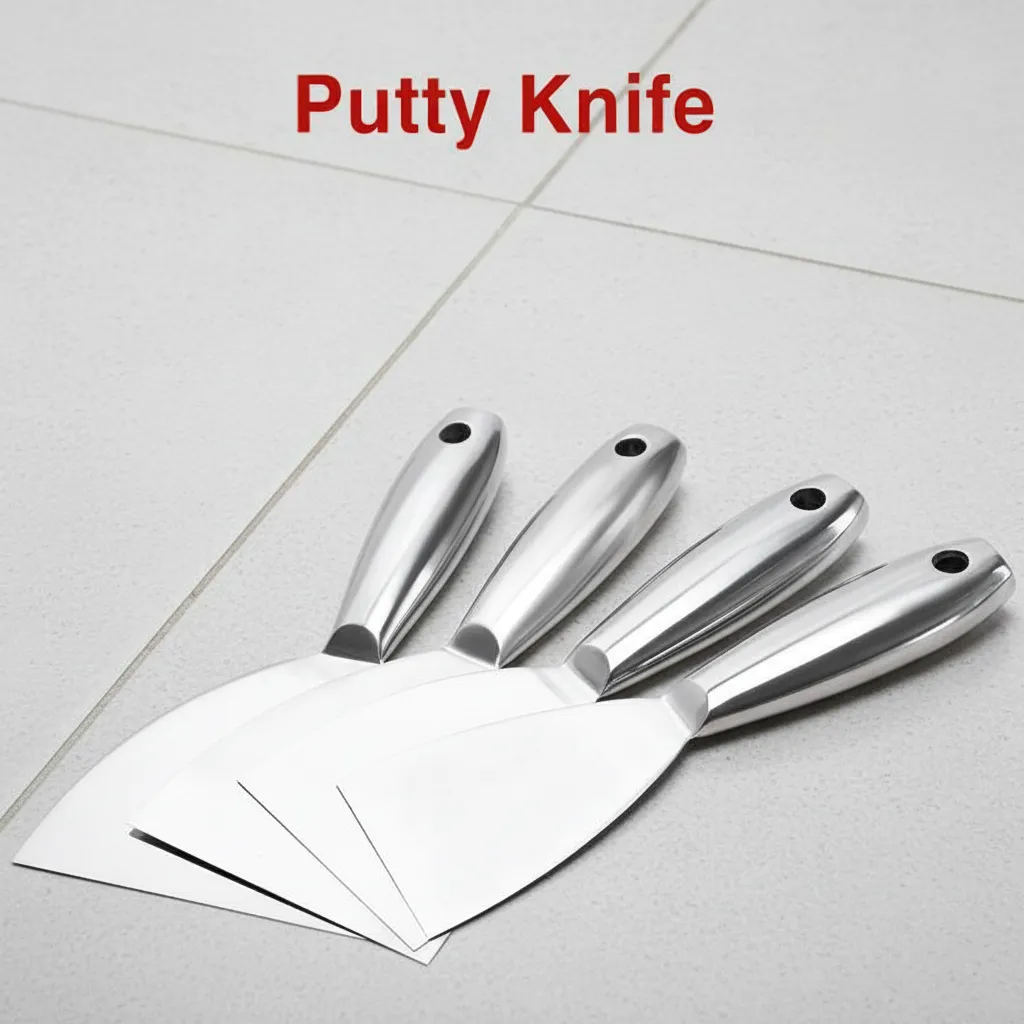 2 images
Unibody Striking Putty Knife
View product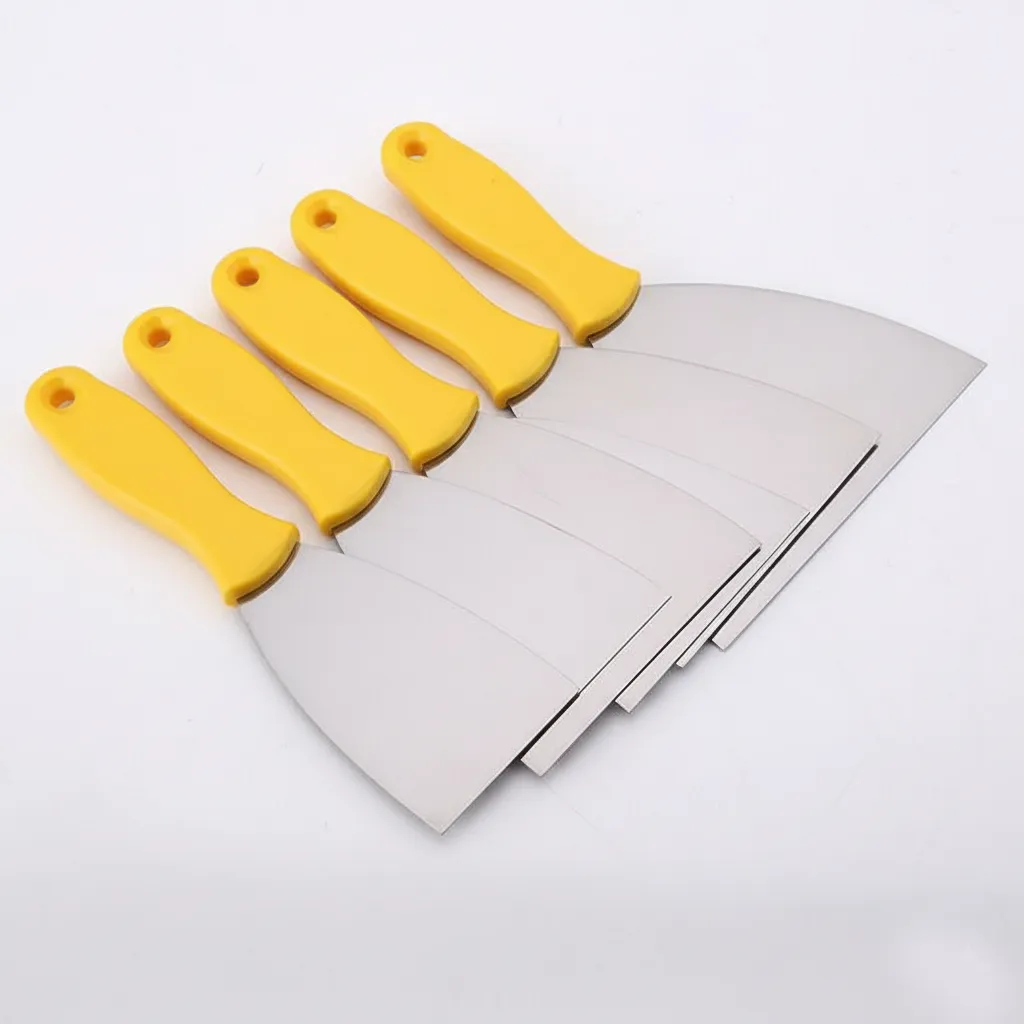 3 images
Steel Putty Knife
View product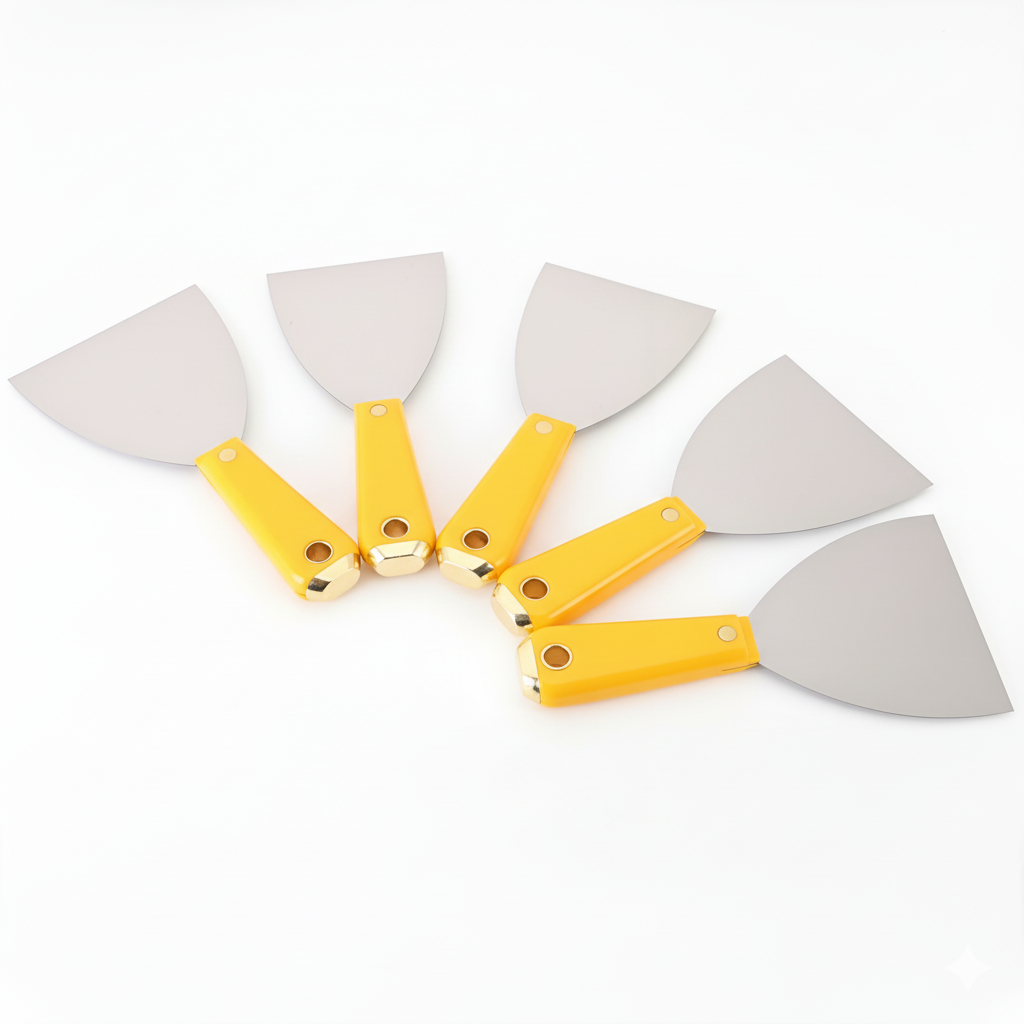 3 images