
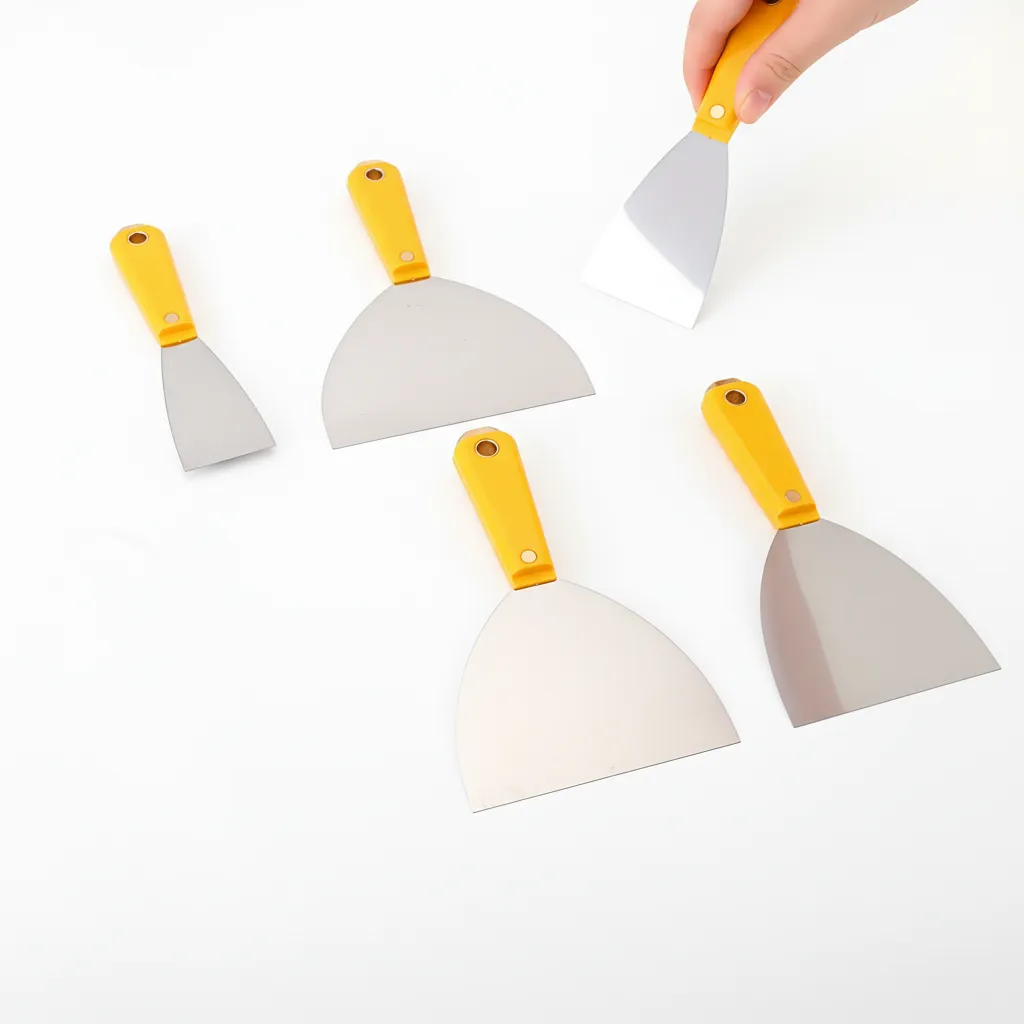
Last quarter, a North American hardware distributor contacted our Shanghai export fulfillment team after their previous trading company supplier shipped a full 40ft container of stainless steel putty knives where nearly 1 in 5 units bent under normal drywall application pressure, and almost 1 in 10 showed premature edge chipping. The distributor had to issue 3 separate credit memos to their regional retail and contractor customers, costing them thousands in unplanned returns and eroding 2 long-standing contractor account relationships. As a China-based direct hand tool manufacturer operating a full production facility in Zhejiang, we’ve seen this exact pain point repeat dozens of times for importers that source stainless steel putty knives from intermediaries that outsource every production step to random third-party stamping shops.
Why Trading Company-Sourced Stainless Steel Putty Knives From China Fail Hardness Consistency Checks
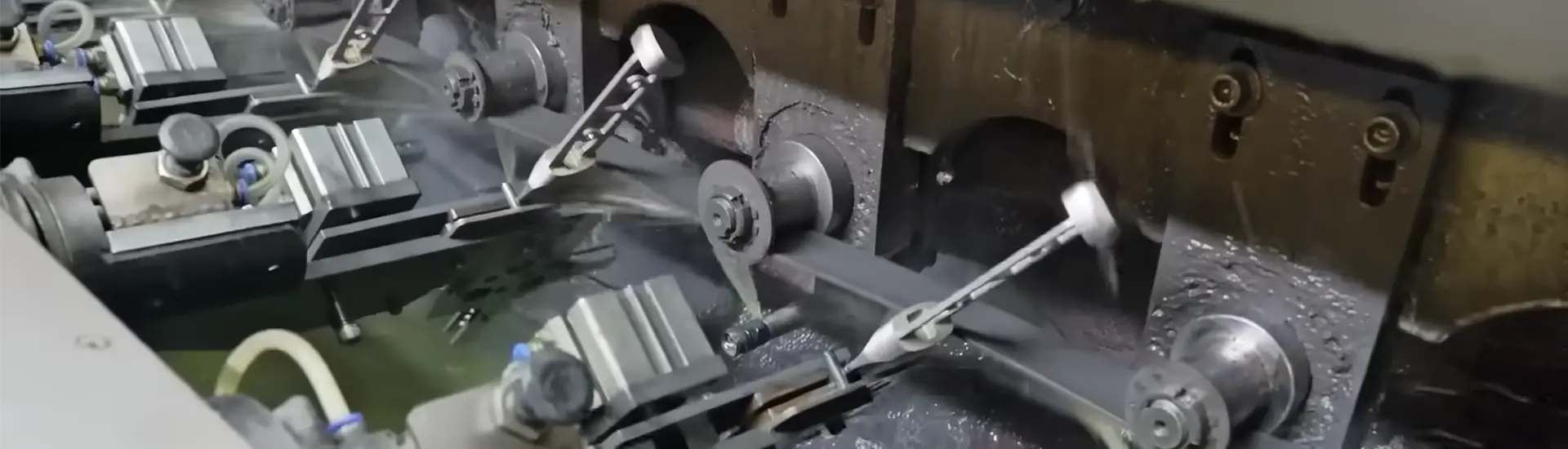
The root of inconsistent blade hardness across large container-volume orders almost never comes down to bad luck. It comes down to distributed, unmonitored production chains that trading companies rely on to cut per-unit costs. Unlike a direct factory that owns every step of production, most intermediaries do not have in-house stamping, heat treatment, or QC capabilities, so they cannot enforce consistent standards across 100k+ unit runs.
| Process Stage | Trumax Direct Zhejiang Factory | Typical Trading Company Outsourced Process |
|---|---|---|
| Feedstock Sourcing | Direct long-term contracts with certified stainless steel mills, full material lot matching per production run | Spot buys cheapest available stainless steel from fluctuating open market, no lot consistency guarantee |
| Stamping Operations | All stamping runs completed in-house on fixed calibrated press lines at our Zhejiang facility | Stamping work outsourced to 2+ different small local shops depending on order backlog |
| Heat Treatment | Controlled in-house cycles with locked parameters, no third-party subcontracting | Heat treatment sent to unvetted third-party shops that prioritize speed over consistent cycles |
| Hardness Verification | Full in-house testing team on site during every production run | No in-house testing capability, spot checks done via random third-party lab visits on a small sample |
| Batch Traceability | Every unit marked with production lot ID that links back to raw material and processing logs | No lot tracking, all units mixed together across different production sources before packaging |
| Post-Production Sorting | Full secondary visual and functional check for every unit before packing | No sorting step, units are shipped directly from subcontractor to port |
This fragmented process is why so many North American distributors end up with mixed quality in a single container: you are not buying from a single controlled production line, you are buying a mixed batch of units produced by 3+ unrelated shops with zero shared process standards.
Our 4-Step Zhejiang Factory Process to Lock in Batch-to-Batch Hardness Consistency
For container-volume orders of stainless steel putty knives, our entire process is built to eliminate variance at every stage, with no outsourced steps that can introduce unplanned quality shifts.
1. Feedstock Pre-QC Before Any Stamping Work Begins
Before a single stainless steel coil is unloaded at our Zhejiang factory, we run full material verification checks to confirm the entire lot matches the pre-approved material specification for your order. We never mix feedstock from different mill lots for a single production run, which eliminates one of the most common sources of hardness variance.
2. Calibrated Heat Treatment Cycles Tied to Individual Batch IDs
Every heat treatment cycle for a batch of stainless steel putty knives is logged to a unique batch ID, with all equipment calibrated on a fixed weekly schedule to ensure no drift in processing parameters across weeks or months of production for repeat orders. We do not adjust cycle times to rush orders, even if that means extending lead times by 1-2 days to maintain full quality standards.
3. Mid-Production Hardness Verification Checks
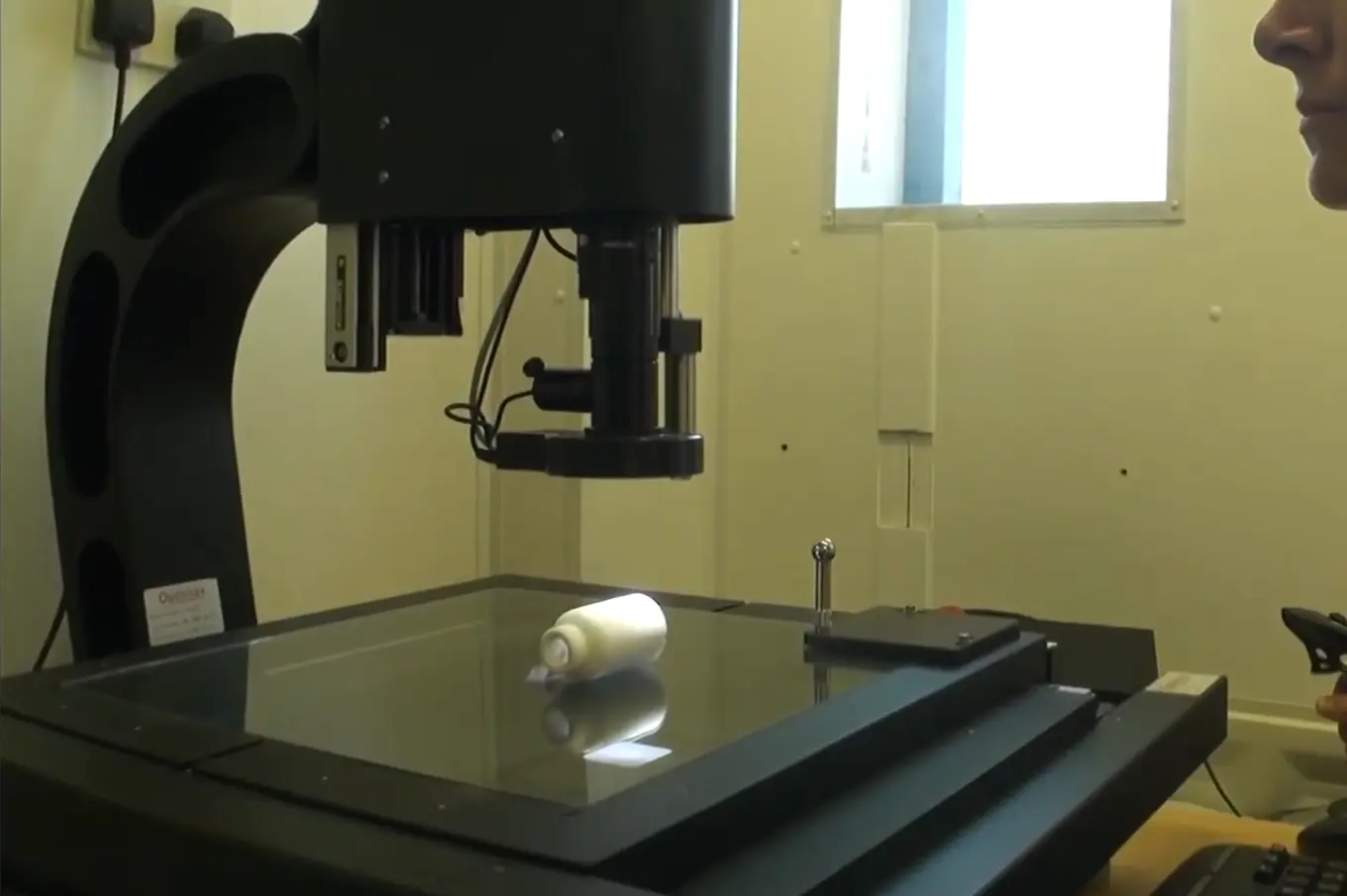
After heat treatment is complete, our in-house QC team pulls representative samples at predefined intervals across the full batch to confirm consistent HRC hardness verified through internal testing, before we move on to the grinding and edge finishing stages. Any batch that falls outside our pre-defined acceptable hardness range is reprocessed immediately, rather than being passed down the line to create defective finished units.
4. Cross-Batch Calibration Checks for Repeat Annual Orders
For multi-year, 100k+ annual volume programs, we run a side-by-side hardness check of the first 500 units from a new production run against a stored reference sample from your very first approved order, to guarantee that the blade performance matches exactly what your customers have already accepted. This eliminates the slow, subtle quality drift that can happen across 6+ months of repeat orders that most importers do not catch until they start receiving customer complaints.
The Hidden Hardness Risk Most North American Distributors Miss For Sea Freight Shipments
Even if your supplier delivers stainless steel putty knives that pass basic hardness checks, inconsistent heat treatment can create invisible micro-cracks along the ground blade edges that you cannot see on initial inspection. These micro-cracks trap salt and moisture during the 3+ week ocean transit from Shanghai to West Coast US ports, leading to hidden rust spots that only appear after you open the container at your warehouse. This is a top hidden cause of unplanned product returns for importers that do not run post-hardness edge passivation steps.
At our Zhejiang facility, we add a secondary edge passivation step after final hardness checks to seal these micro-cracks, even for units that meet all hardness requirements. This extra step adds a tiny amount of per-unit cost, but it eliminates nearly all instances of unexpected rust formation during long sea freight, a common unbudgeted cost for distributors that source from unregulated intermediaries.
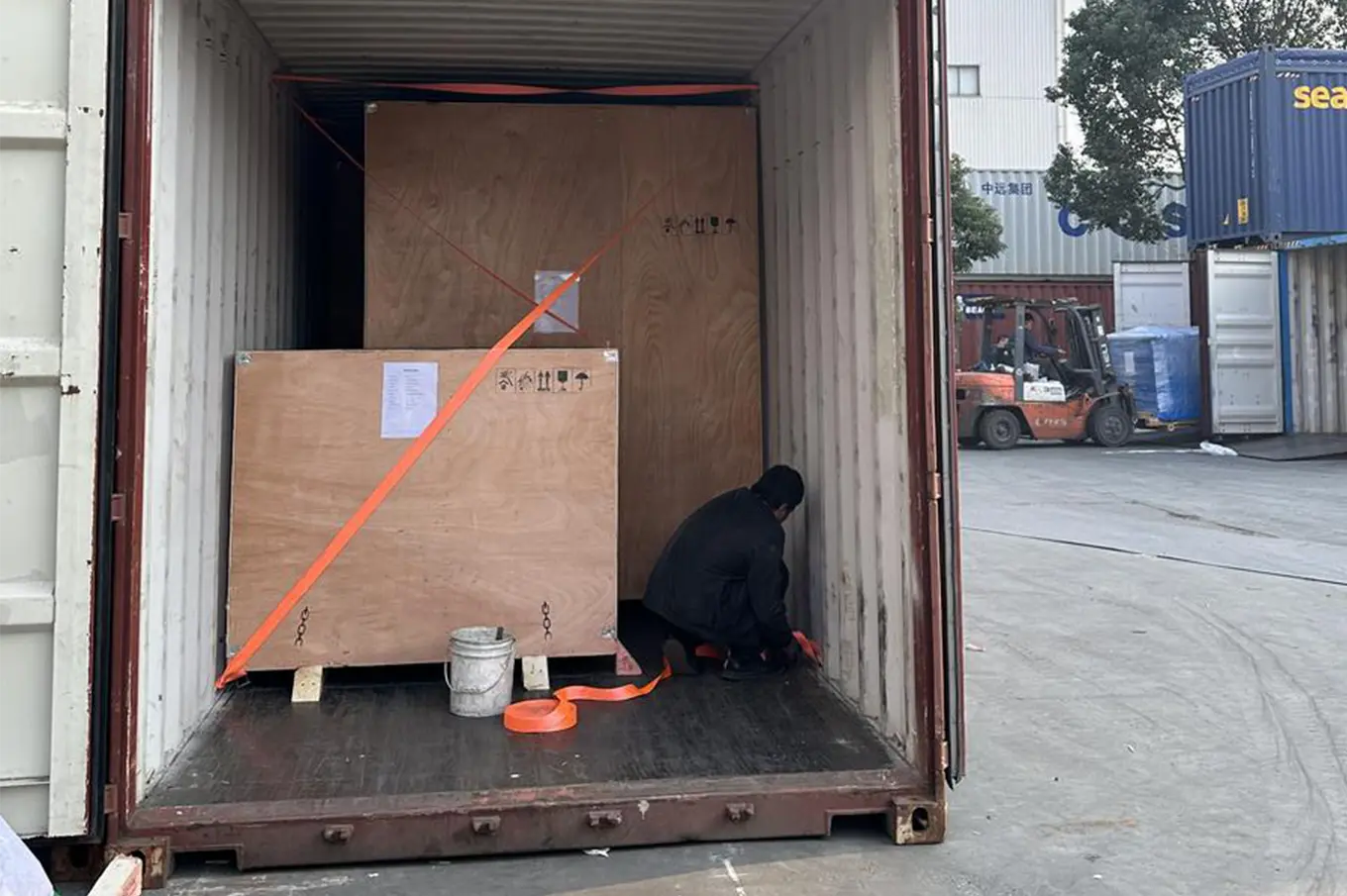
We also map every batch of stainless steel putty knives to a full traceability log that we share with our enterprise procurement clients before the container leaves the port of Shanghai, so you can confirm exactly when every unit in your order was produced, and that no mixed batches from different sources were included in your shipment.
Next Steps For Your Container-Volume Stainless Steel Putty Knife Program
- Book a guided third-party audit of our Zhejiang manufacturing base, where you can observe our hardness testing stations and full stamping line in operation at any point during your production run, no rented showrooms or hidden subcontractor visits required.
- Request a free sample kit of our stainless steel putty knives (including our flagship striking-cap hammer-end models) to test hardness, flex, and rust resistance against your current approved product specifications, at no cost to your team.
- Ask our Shanghai export fulfillment team for a bundled FOB Shanghai quote that combines your full container order production, full QC verification, and container consolidation for your full line of Trumax-manufactured hand tools, with no hidden intermediary markup.
Discuss Your Manufacturing Project
Email your drawings or questions. We reply within 24 hours.
Related Products
 3 images
4-Inch Stainless Steel Taping Knife
View product 2 images
Unibody Striking Putty Knife
View product 3 images
Steel Putty Knife
View product 3 images