
Last quarter, a US-based drywall tool OEM reached out to our Shanghai export office after 12% of a 180,000-unit shipment of standard stainless steel putty knives from their previous supplier failed field pull tests: blades separated from TPR handles within 3 weeks of job site use, leading to $270,000 in warranty claims and a temporary suspension of their Amazon Business listing. The supplier blamed "operator error" and refused to share QC records for the insert molding process, leaving the brand with no way to fix the root cause for their next run.

Why Blade-to-Handle Separation Happens: Root Causes of Bad Insert Molding for Stainless Steel Putty Knives
Blade-to-handle separation is almost never a random defect—it is a predictable outcome of fragmented supply chains and skipped QC steps that most low-cost suppliers cut to hit undercut price points. For stainless steel putty knives, the bonding failure almost always traces back to one of four gaps: improper surface preparation of the blade tang before overmolding, misaligned blade fixtures inside the insert mold, inconsistent injection pressure or resin temperature during production, or zero post-molding bonding strength testing. Most suppliers outsource insert molding to third-party shops to reduce overhead, which means they have no visibility or control over these critical process steps, and no way to trace failures back to a specific production batch.
| Insert Molding Process Step | Trumax In-House Process (Zhejiang Factory) | Typical Outsourced Supplier Process |
|---|---|---|
| Blade Tang Surface Preparation | Controlled abrasive blasting and degreasing, verified by in-house surface tension testing for 100% of incoming blade batches | Manual solvent wiping, no standardized surface quality testing |
| Blade Fixturing & Alignment | Custom precision jigs for each SKU, alignment verified via digital caliper for every mold setup | Generic one-size-fits-all jigs, alignment checked only once per 10 production runs |
| Injection Parameter Control | Locked, recipe-driven pressure and temperature settings for each resin-blade combination, no manual adjustment during runs | Manual parameter adjustment by line operators to speed up cycle times, no logged process records |
| Post-Molding Bonding Testing | Structured pull-test sampling at multiple stages of production, full test reports provided with every shipment | Only visual inspection for obvious defects, no functional bonding testing |
| Batch Traceability | Every unit tagged with a production lot number linked to mold, material, and operator records | No lot-level traceability, no way to isolate defective batches |
Our 4-Step Insert Molding QC Process to Guarantee Permanent Blade-Handle Bonding
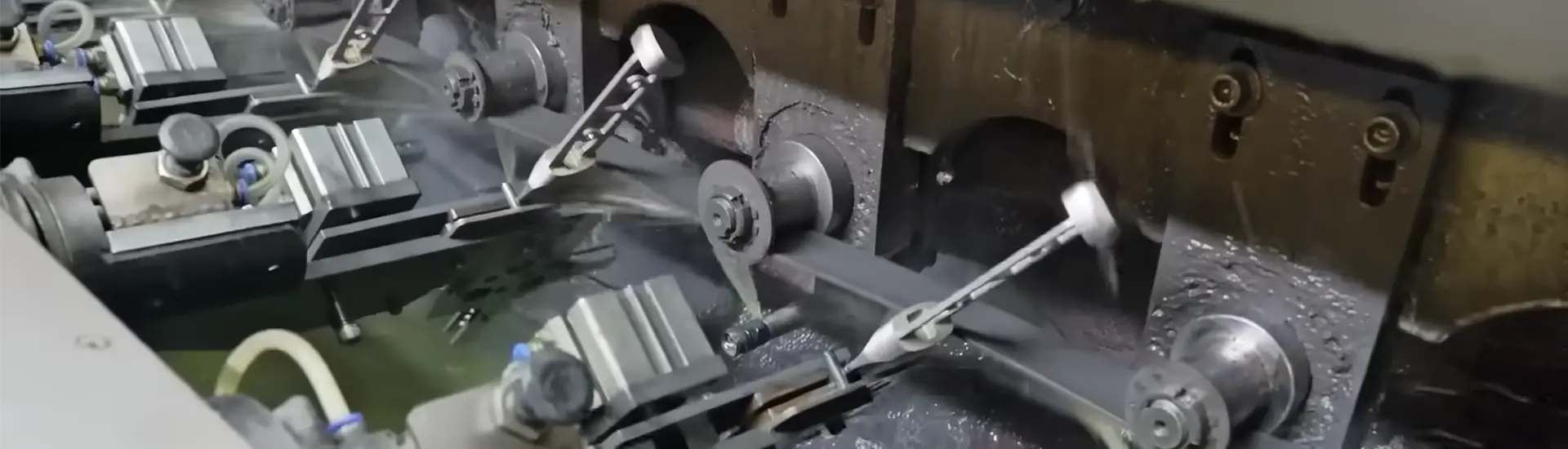
All of our stainless steel putty knife insert molding and TPR overmolding runs are completed entirely in-house at our Zhejiang manufacturing base, so we control every variable that impacts bonding strength. Our QC process is built to catch defects before they make it into a shipping container, with no gaps between production and testing teams:
-
Pre-Molding Blade Surface Validation
Before any stamped stainless steel blade is loaded into an insert mold, we test every incoming batch for surface roughness and cleanliness using pre-molding surface tension testing. Any blades that do not meet our internal standards for resin adhesion are rejected immediately, rather than being run through production with a high risk of future failure.
-
First-Shot Pull Test Validation
At the start of every production run, we run 20 test shots and perform pull tests on 100% of these initial units to confirm bonding strength meets our internal thresholds. Only after first-shot pull test validation is passed do we start full production for the order.
-
In-Run Random Sampling
During full production, we follow a 2-hour in-run sampling cadence: every 2 hours, our QC team pulls 5 random units from the line for pull testing. If any unit fails, we shut down the line immediately to adjust mold alignment or resin parameters, and test all units produced since the last passing sample to isolate any defective parts.
-
Final Batch Audit Before Shipment
Before any order is cleared for shipping, we pull 30 units per SKU for independent bonding and durability testing. We include the full batch test report with your export documentation, so you have full visibility into the quality of your order before it leaves our facility. For custom putty knife programs with 100,000+ units per year or multi-year commitments, we also offer custom mold opening and scheduled mold maintenance to prevent alignment drift over long production runs.
The Overlooked Bonding Risk No Third-Party Supplier Will Tell You About
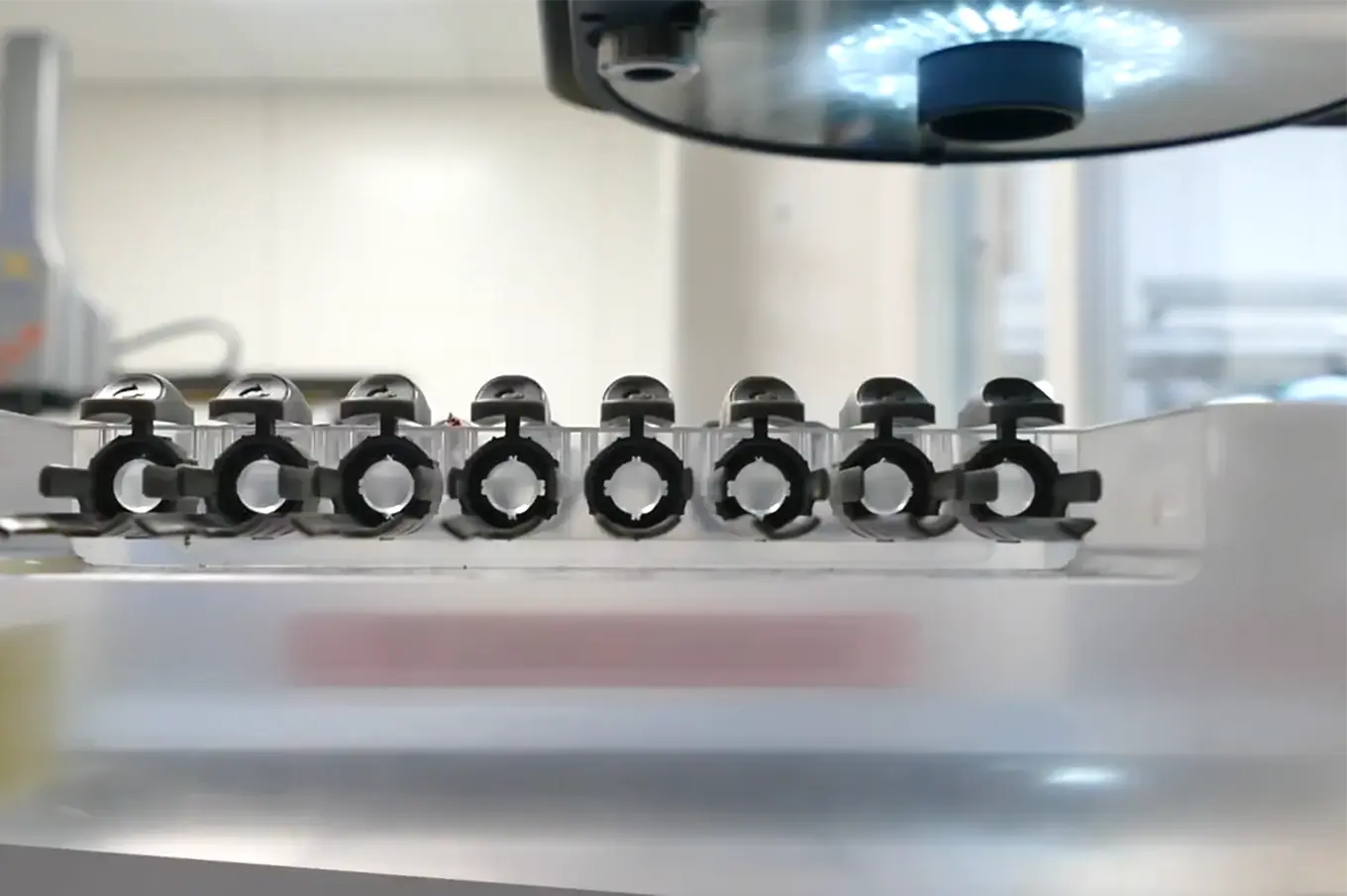
After 20+ years in putty knife manufacturing, we’ve seen that 70% of delayed bonding failures (those that show up 2-3 months after delivery, not during initial testing) trace back to a gap no standard factory audit checks: regular insert mold maintenance. Most outsourced molding shops run dozens of different clients’ molds on the same production lines, and skip calibration and cleaning steps to maximize machine uptime. For insert molding of stainless steel putty knives, mold cavities wear slightly after 80,000+ shots, which creates tiny shifts in the blade tang’s position inside the mold. This shift leads to uneven resin flow around the tang, creating weak points that pass initial pull tests but fail under repeated job site stress, especially in cold temperatures where TPR handles stiffen and put more force on the bond line.
Because we only run our own putty knife molds in our Zhejiang facility, we have a mandatory mold inspection and calibration schedule every 80,000 shots for all high-volume programs. We replace worn fixture pins and clean cavity residue before any alignment drift can impact bonding strength, a step that cuts delayed failure rates to less than 0.01% across our production runs.
3 Steps to Eliminate Blade-to-Handle Separation on Your Next Putty Knife Order
- Request our full insert molding QC test report library and arrange a third-party audit of our Zhejiang manufacturing base to observe our testing and mold maintenance processes in person.
- Order a sample kit of our standard and striking-cap putty knives to run your own independent pull and field durability tests before committing to a full container order.
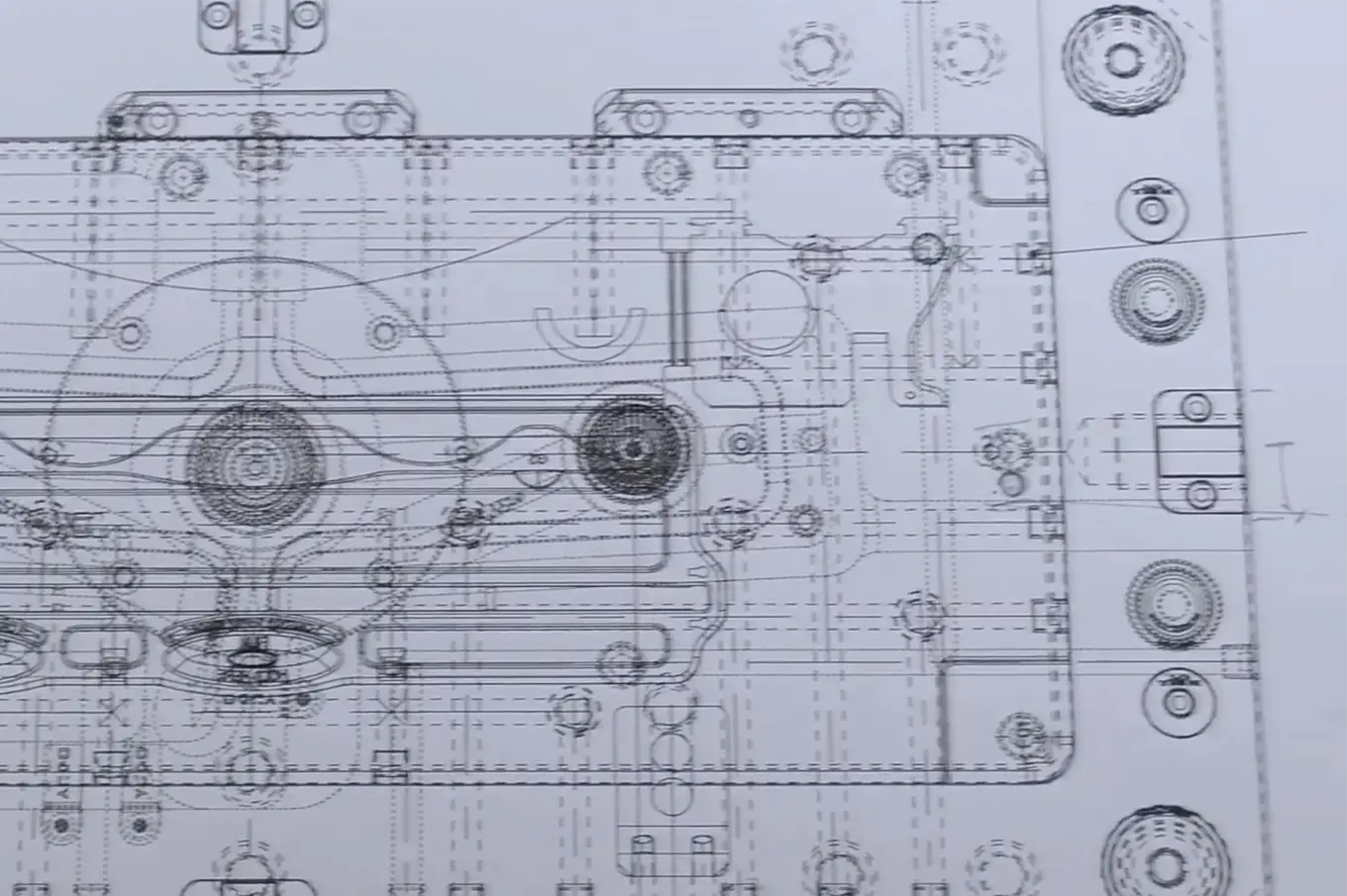
- If you have a high-volume (100,000+ units/year) custom putty knife program, ask our engineering team for a free mold design and maintenance plan review to identify potential bonding failure points before production begins. All orders include our factory-integrated fulfillment service, with export documentation, container consolidation, and FOB Shanghai shipping handled directly by our Shanghai team, so you have a single point of contact for every step of your order.
Discuss Your Manufacturing Project
Email your drawings or questions. We reply within 24 hours.
Related Products
 3 images
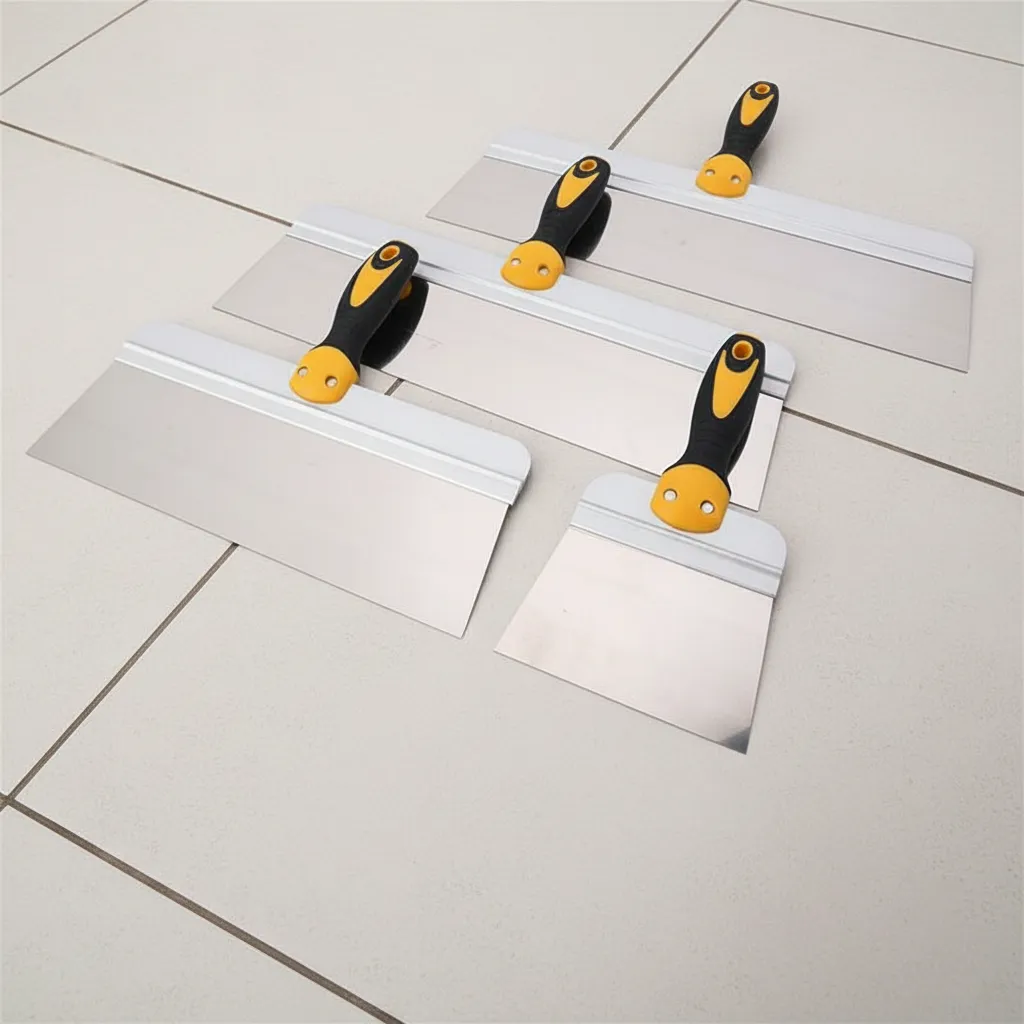
4-Inch Stainless Steel Taping Knife
View product 2 images
Unibody Striking Putty Knife
View product 3 images
Steel Putty Knife
View product 3 images