
Last quarter, a European OEM drywall tool brand reached out to our Shanghai export fulfillment team after their previous sourcing partner shipped a 40-foot container of stainless steel putty knives that developed splotchy brown discoloration along blade tapers by the time it arrived at Rotterdam port. The supplier claimed the issue was caused by salt exposure during transit, but the brand’s quality team confirmed the discoloration originated from improper production handling and storage at the factory before shipping — costing the brand $12,000 in rework and lost retail shelf time. This is a far more common problem than most enterprise procurement teams realize, and it is entirely preventable when you work directly with a manufacturer that controls every step of production and pre-export storage.
Why Stainless Steel Putty Knife Discoloration Happens Before Shipping (And Why Most Suppliers Can’t Fix It)
Discoloration on stainless steel putty knives rarely stems from low-grade steel alone. It is almost always a process failure, caused by gaps in handling, cleaning, or storage that break down the steel’s natural corrosion-resistant oxide layer. Most suppliers outsource at least one step of production or storage to third-party vendors, leaving no single point of accountability for surface quality. The table below breaks down the key gaps between standard outsourced processes and the in-house controls we run at our Zhejiang factory:
| Process Step | Typical Outsourced Factory Process | Trumax Zhejiang In-House Process |
|---|---|---|
| Raw Material Receipt Handling | Bulk stored in unventilated, unheated warehouse bays with no protective wrapping, exposed to moisture and dust | Sealed batch storage in climate-controlled bays, with moisture barrier wrapping applied immediately upon steel delivery |
| Post-Grinding Cleaning | Single rinse with tap water, no passivation step, residual grinding compound often left on blade surfaces | Dual cleaning cycle followed by in-house passivation to remove all contaminants and strengthen the stainless steel’s natural oxide layer |
| Intermediate Production Storage | Stored on open racks next to carbon steel parts, leading to cross-contamination and surface rust triggers | Segregated, sealed storage for stainless steel components, no cross-contact with ferrous materials at any point |
| Pre-Export Storage | Shipped to third-party port warehouses 2-4 weeks before loading, exposed to high humidity and salt air | Stored in Zhejiang climate-controlled facilities until 72 hours before loading, then moved directly to our own Shanghai export storage bays |
| Surface Quality Validation | Random 1% sample check only, no dedicated surface discoloration testing | Consistent surface quality verified by in-house testing, with 10% of each batch scanned for residual contaminants and oxide layer integrity |
Even factories with decent production controls often fail at the final pre-export step, because they rely on third-party port warehouses that have no incentive to maintain strict climate or contamination controls for goods they do not own.
Our Zhejiang Factory’s 4-Step Discoloration Prevention Process for Stainless Steel Putty Knives
We have refined our discoloration prevention protocols over 15 years of producing stainless steel putty knives, plastering trowels, and striking-cap putty knives for North American and EU enterprise clients. Every step is executed entirely in-house, with no third-party handoffs until the container is sealed at the Shanghai port.
Step 1: Post-Grinding Dual Cleaning & Passivation
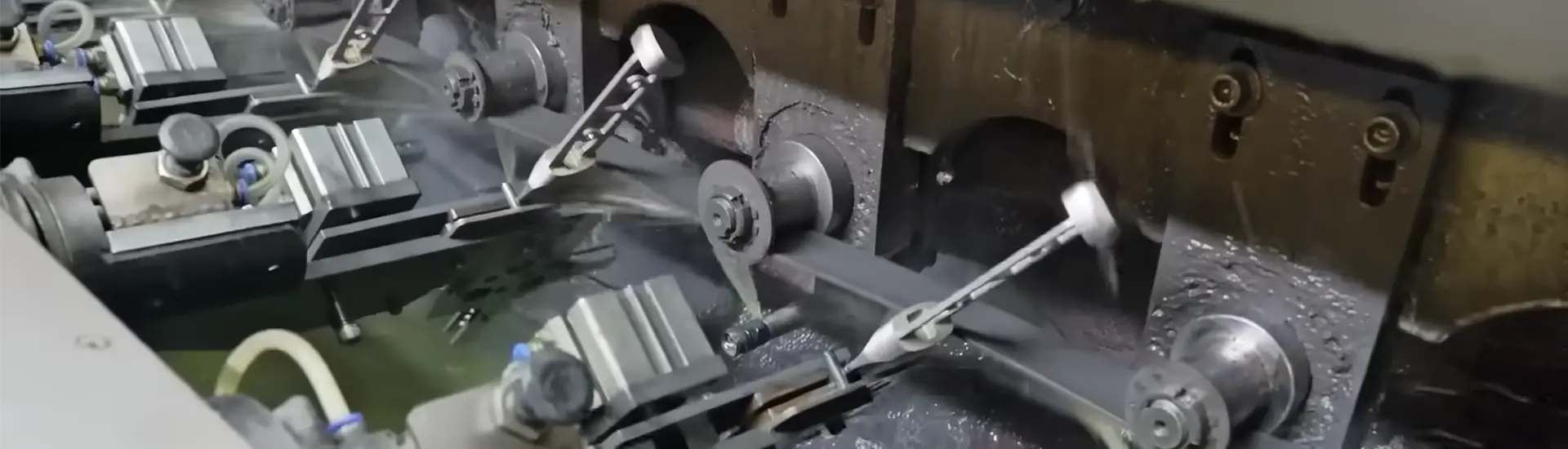
Immediately after precision taper grinding, every stainless steel putty knife blade goes through a dual food-grade cleaning solution cycle to remove all grinding compound, oil, and metal dust left from stamping and grinding. We then run all blades through an in-house passivation process to strengthen the natural oxide layer of the stainless steel, eliminating 90% of potential corrosion triggers before the blades ever move to assembly.
Step 2: Segregated Intermediate Storage
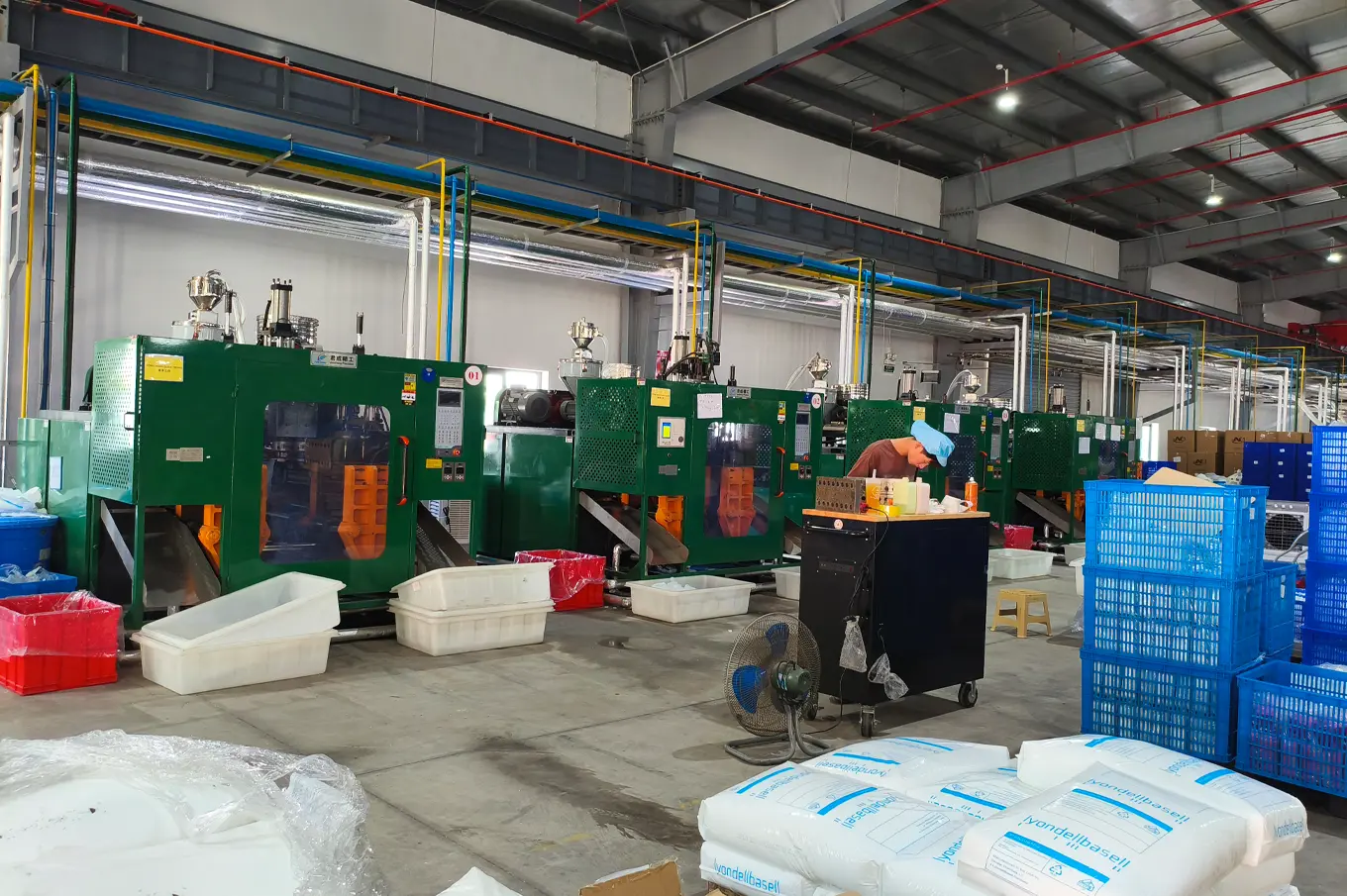
All stainless steel components are stored in segregated, humidity-controlled production storage bays at our Zhejiang facility, with no exposure to carbon steel parts or unfiltered outside air. We keep relative humidity in these bays fixed at levels proven to prevent condensation on steel surfaces, even during peak summer months in East China.
Step 3: Pre-Packaging Surface Validation
Before applying TPR overmolded handles and final packaging, 10% of each production batch is pulled for 100% surface scan for residual contaminants and oxide layer integrity. Any batch that fails this check is re-cleaned and retested before moving forward, so no defective blades make it to packaging.
Step 4: Shanghai Pre-Export Consolidation & Storage
Finished batches remain in our Zhejiang climate-controlled storage until 72 hours before scheduled container loading. We then move them directly to our own Shanghai export fulfillment facility, where they are stored in sealed, climate-controlled bays until loading. This factory-integrated fulfillment process eliminates the need to store goods in third-party port warehouses, where exposure to salt air and high humidity is the single largest trigger for pre-transit discoloration.
The Hidden Pre-Export Discoloration Risk Most Sourcing Teams Overlook
Many procurement teams assume that a clean pre-shipment QC photo from the factory guarantees the blades will arrive in perfect condition. What they miss is that most suppliers move finished goods to third-party port warehouses 2 to 4 weeks before container loading, to save on internal storage costs and simplify shipping coordination. These warehouses are often located within a few miles of the port, where salt air and high humidity are constant, and rarely have climate controls or segregation for stainless steel goods. Even blades that are perfectly clean when they leave the factory can develop surface discoloration in just 10 days of storage in these environments.
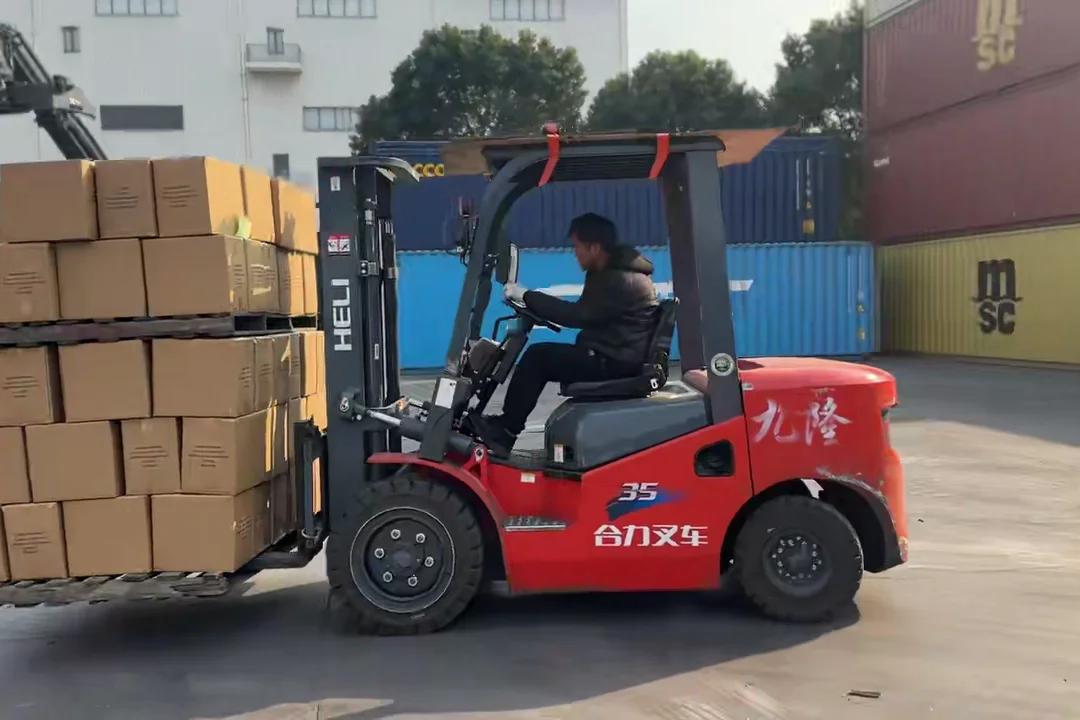
Because our Shanghai export office only handles output from our own Zhejiang factory, we have no incentive to cut costs on pre-export storage. We absorb the cost of holding finished goods in our climate-controlled Zhejiang bays until the container is ready to load, so your stainless steel putty knives are only exposed to port air for the few hours it takes to drive from our Shanghai facility to the port and load the container. We have had zero confirmed cases of pre-export discoloration for enterprise clients since we implemented this process in 2019.
Next Steps to Eliminate Discoloration Risks From Your Putty Knife Procurement
- Request a full copy of our Zhejiang factory’s discoloration prevention SOP and schedule a third-party audit of our production and storage facilities at your convenience.
- Order a sample kit of our stainless steel putty knives, including our flagship striking-cap models, to validate surface finish and corrosion resistance for your market.
- Ask your account manager for a factory-direct FOB Shanghai quote that bundles production, pre-export storage, and customs documentation into a single, transparent contract.
Discuss Your Manufacturing Project
Email your drawings or questions. We reply within 24 hours.
Related Products
 3 images
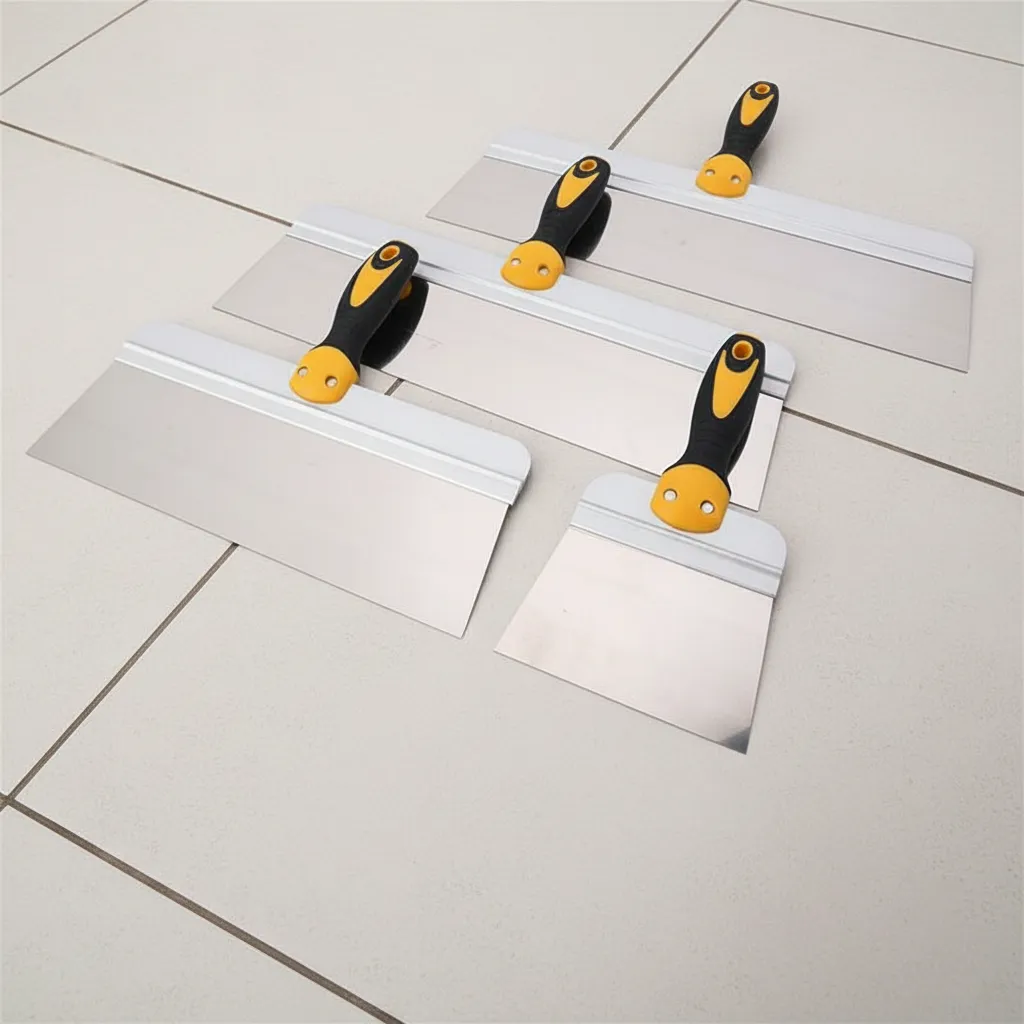
4-Inch Stainless Steel Taping Knife
View product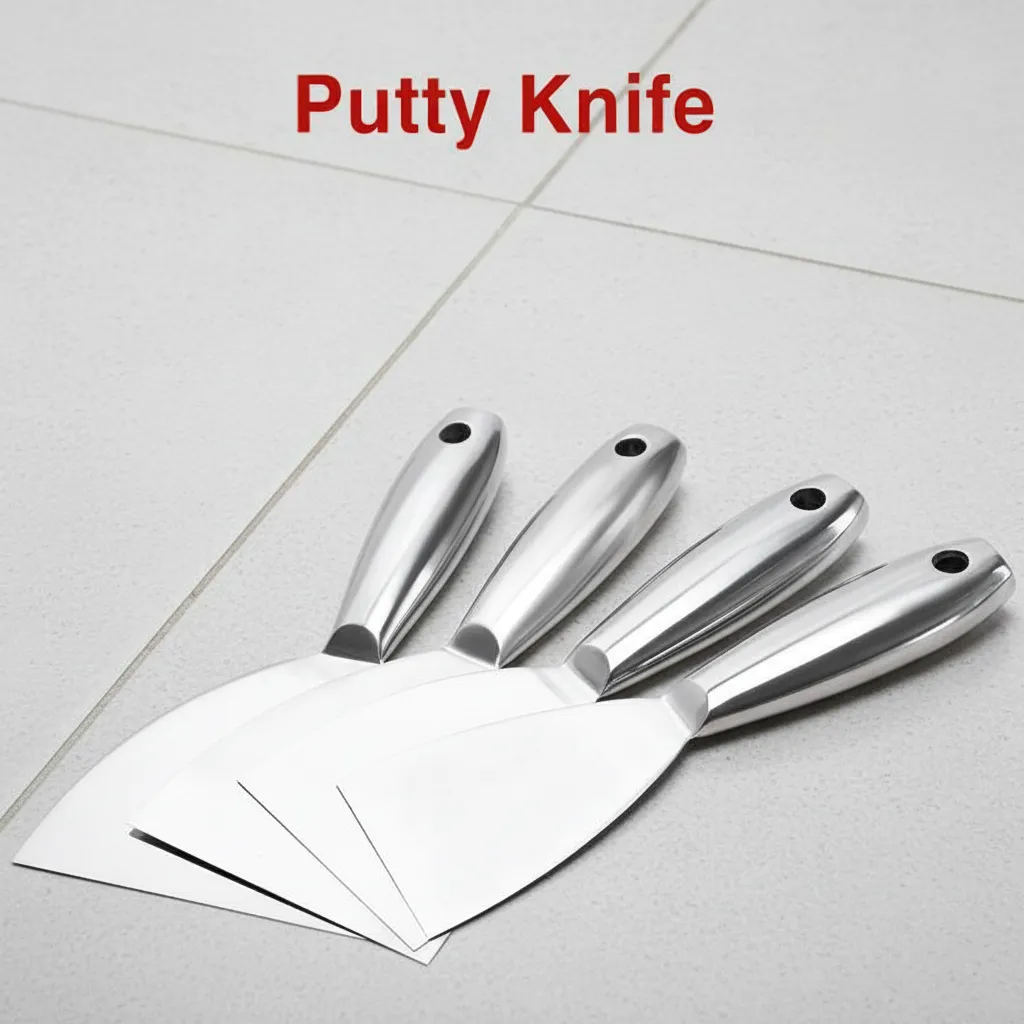 2 images
Unibody Striking Putty Knife
View product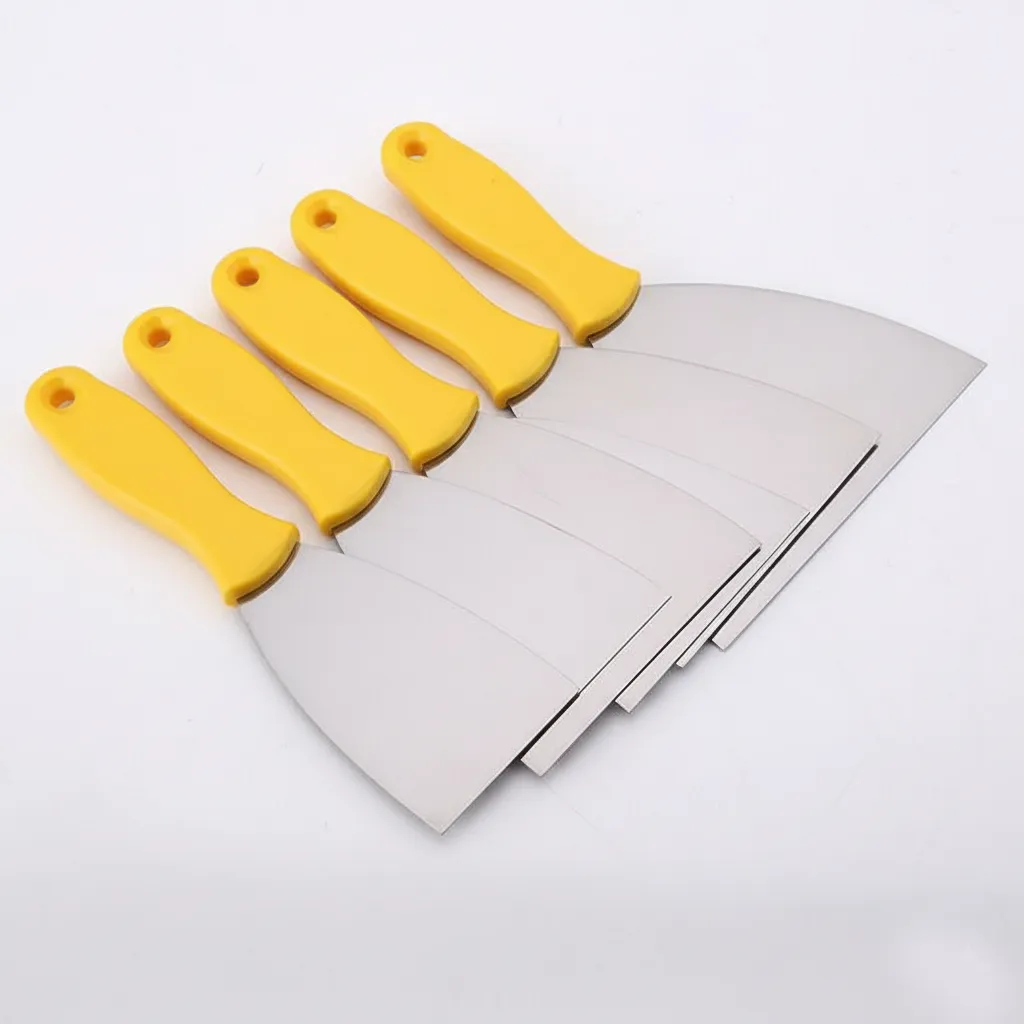 3 images
Steel Putty Knife
View product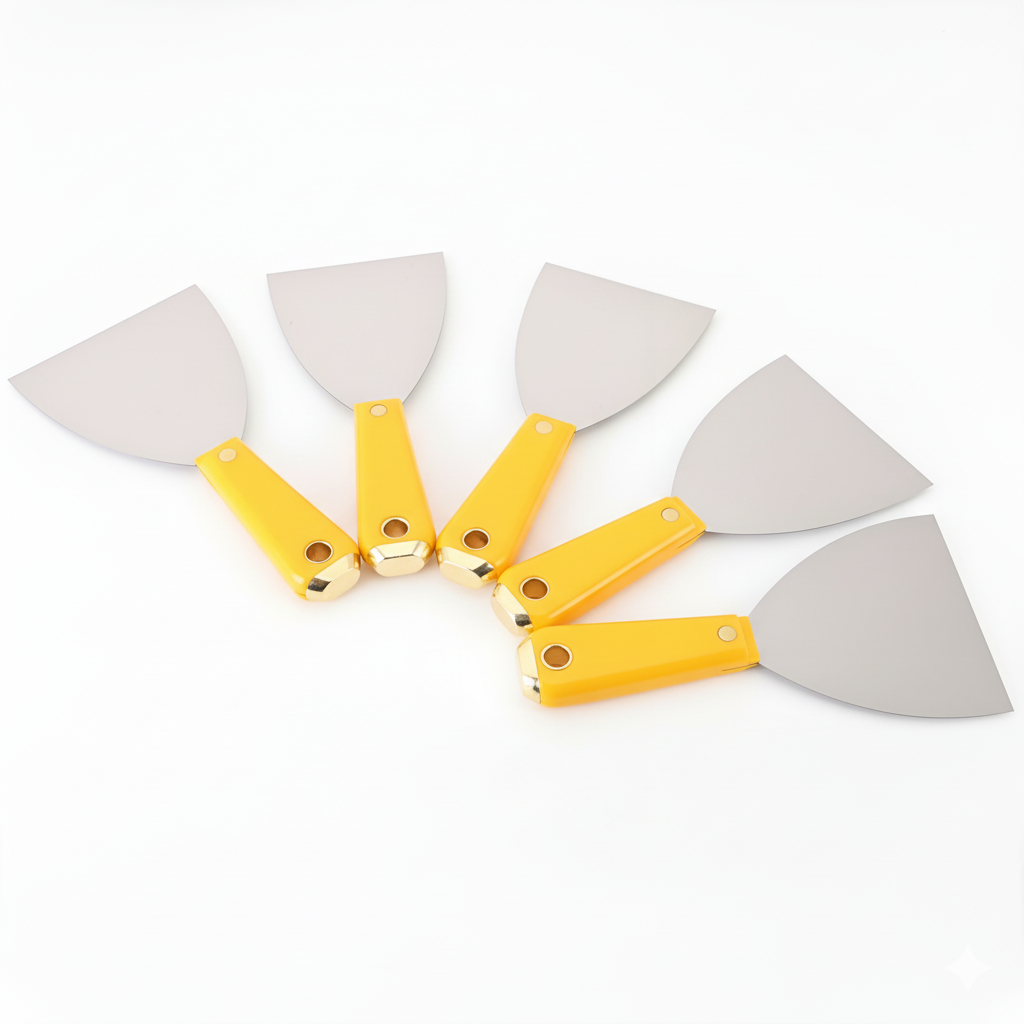 3 images