
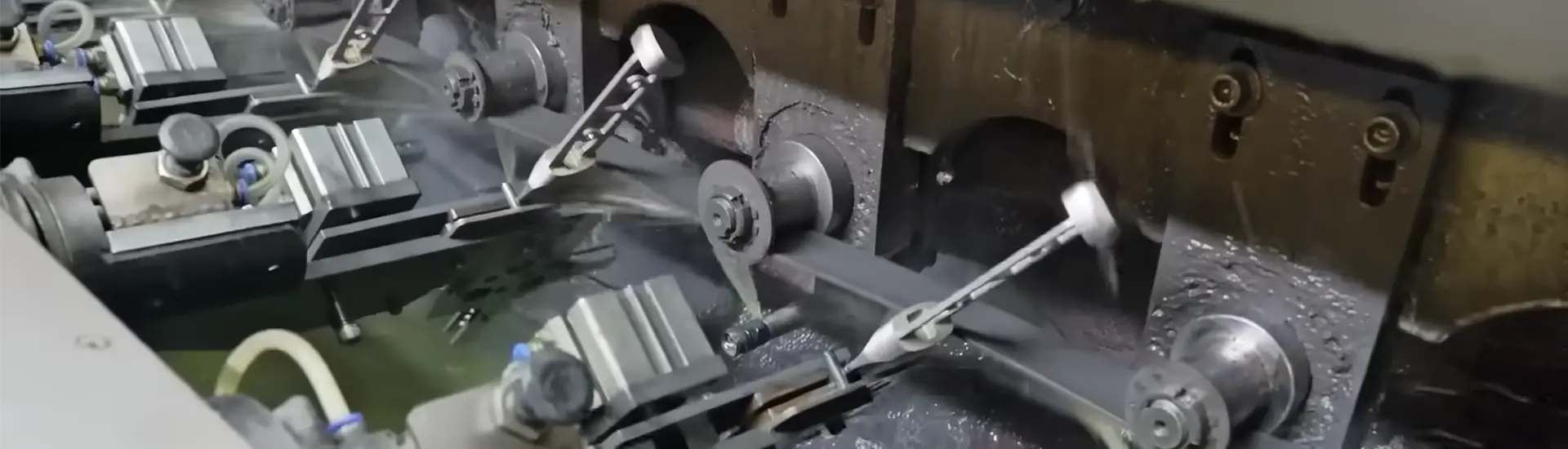
Last November, a European OEM brand owner called our Shanghai export desk in a panic. A container of 80,000 stainless steel striking-cap putty knives had just landed in Rotterdam, and his warehouse team reported that 15% of the metal striking caps were loose or detached after only a light shake test. The supplier—a trading company operating out of a Guangdong office—had provided a glossy certificate of inspection, but no evidence of real pull-out force testing at the production site. That distributor had sourced from a Guangdong trading company, but the real production happened at an uncontrolled workshop in Wenzhou—nowhere near our own Zhejiang factory, where every batch of striking-cap putty knives undergoes a rigorous retention testing protocol before leaving our Shanghai fulfillment center.
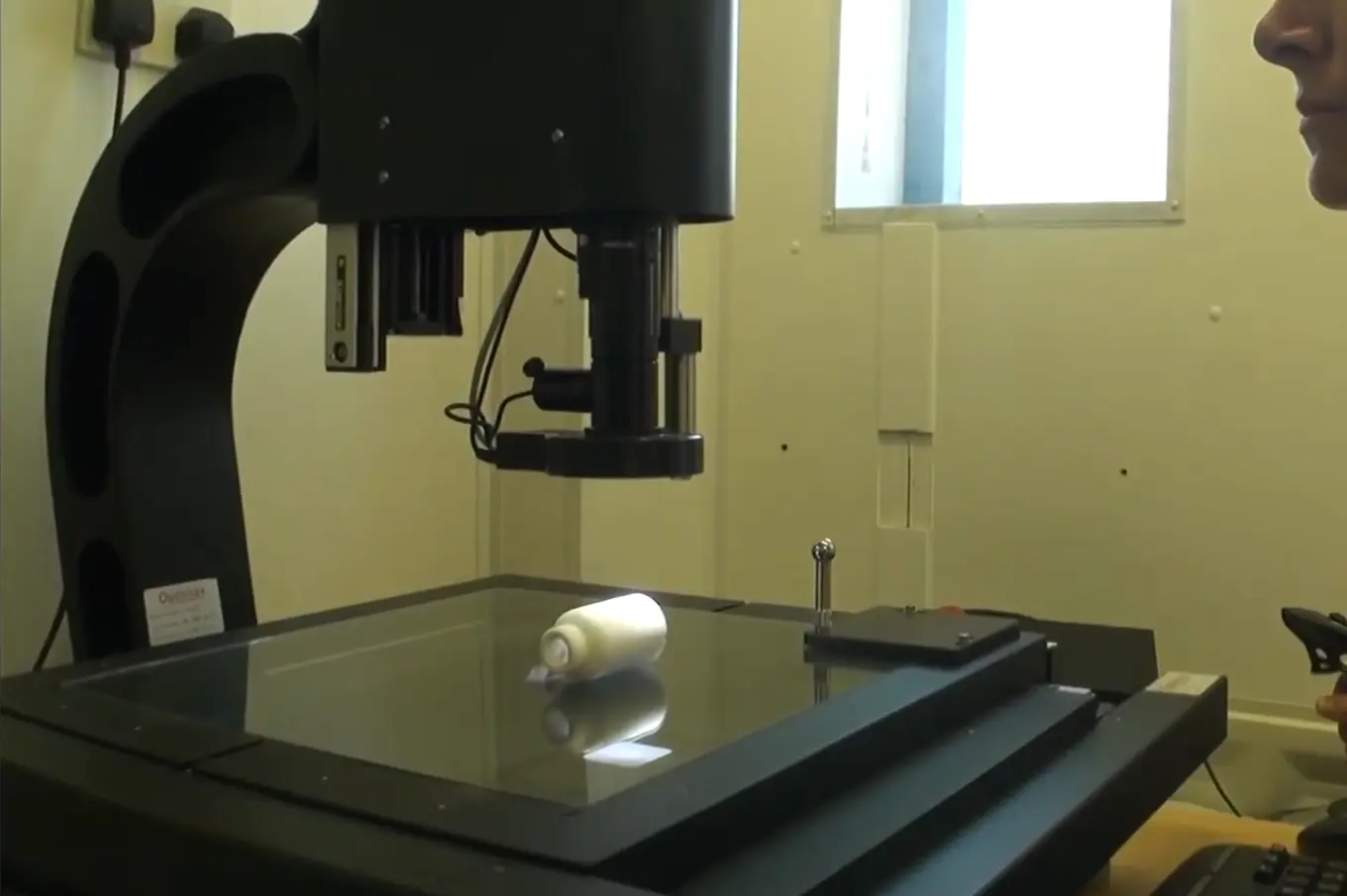
Why Striking-Cap Retention Fails in Chinese-Made Hammer-End Putty Knives
The hammer-end putty knife is a workhorse on any drywall or plastering job site, but its most critical engineering point is the interface between the stainless steel blade tang and the metal striking cap. When a worker strikes the cap to set drywall tape or chip away cured compound, the cap must withstand repeated axial impact without loosening. In many Chinese export shipments, failure traces back to three root causes: inadequate adhesive selection, poor mechanical interlock between the cap and tang, and—most critically—zero in-process pull-out verification before the knives leave the factory floor. Trading companies that aggregate from multiple small workshops rarely enforce a standardized testing protocol, leaving OEM brands exposed to field failures and costly recalls.
| Testing Aspect | Trumax Zhejiang Factory | Typical China Trading-Company Supplier |
|---|---|---|
| Pre-Production Fit Check | 100% dimensional verification of striking cap and blade tang interface using dedicated go/no-go gauges | Spot-check only; often no dedicated gauging beyond visual comparison |
| In-Process Pull-Out Force | Dedicated hydraulic pull-out rig on the assembly line; random sample test per production lot at specified force thresholds | No pull-out test; visual inspection only |
| Vibration / Impact Simulation | Pallet-level shake table test simulating 30 days of ocean freight vibration; drop test from 1 meter onto concrete floor | No vibration testing; no drop test |
Discuss Your Manufacturing ProjectEmail your drawings or questions. We reply within 24 hours. Related Products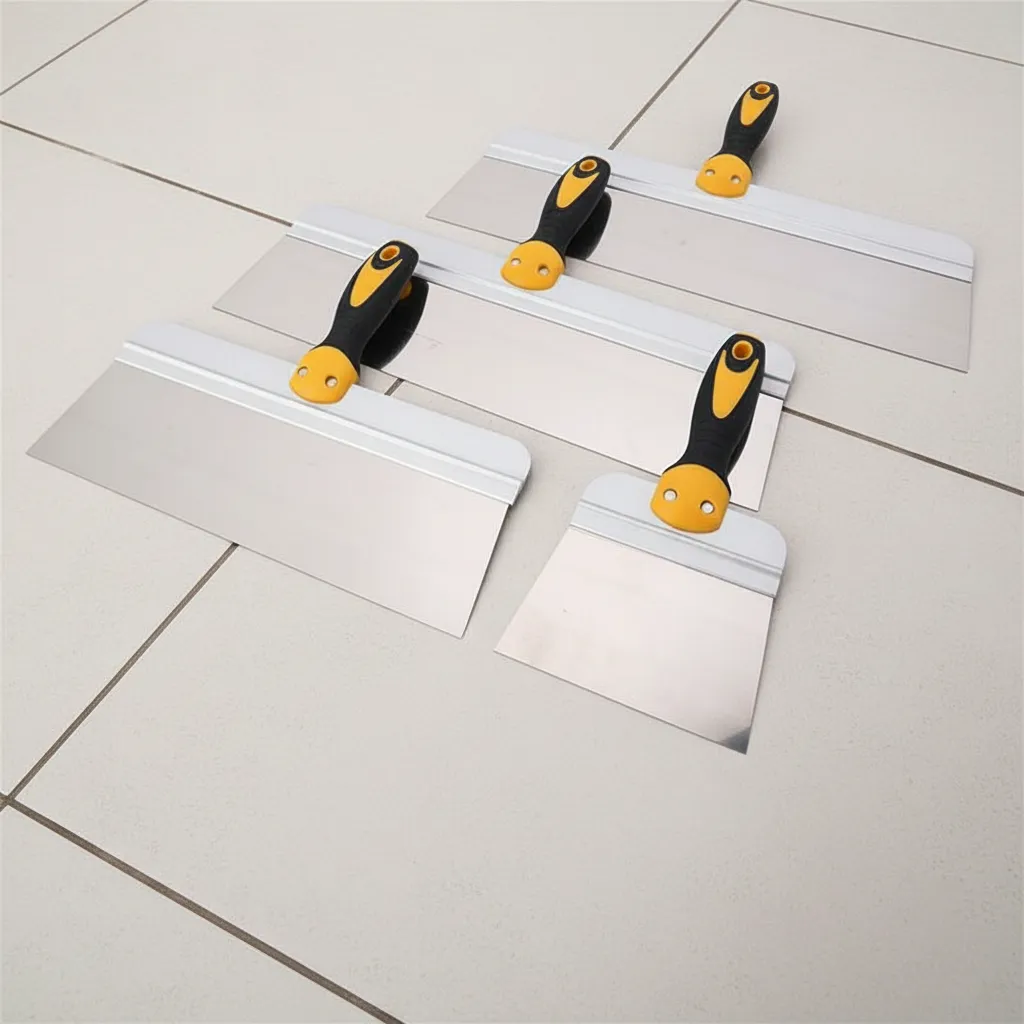 3 images 4-Inch Stainless Steel Taping KnifeView product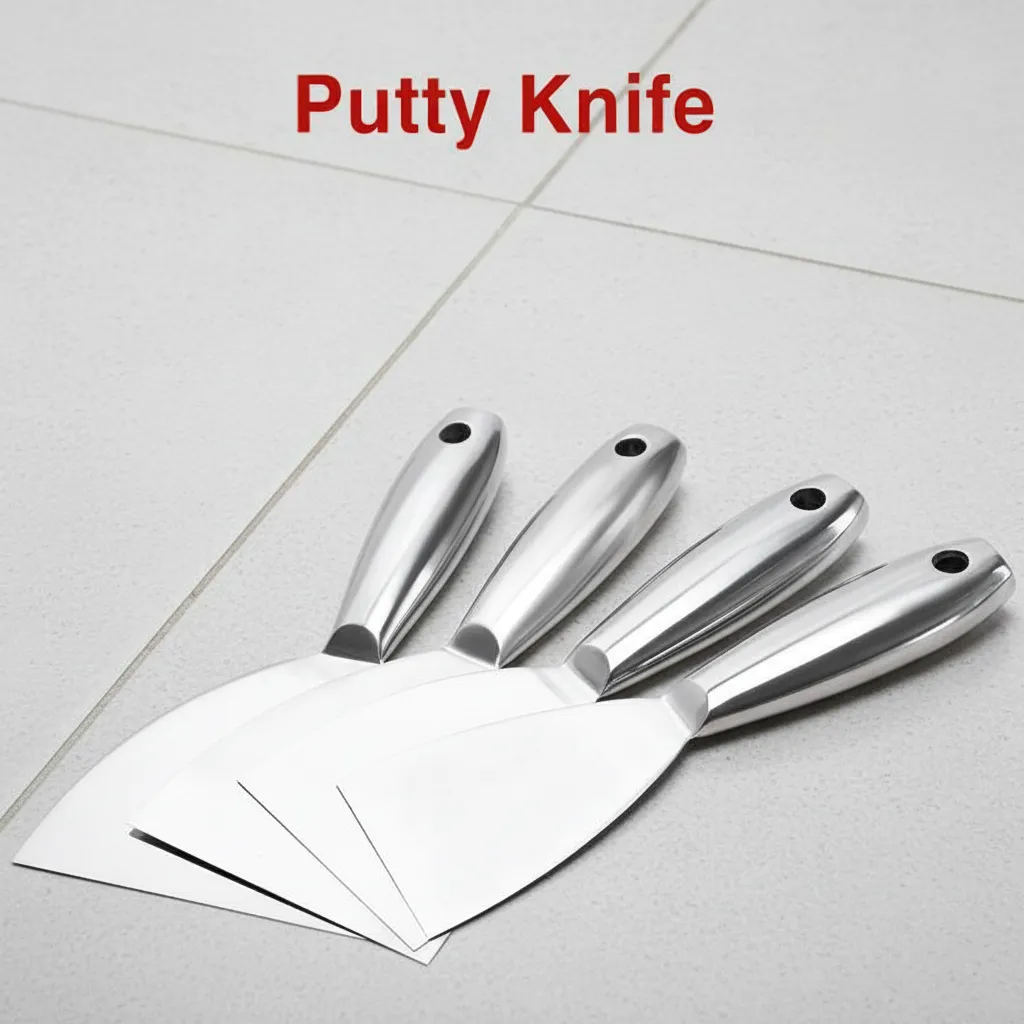 2 images Unibody Striking Putty KnifeView product 3 images Steel Putty KnifeView product 3 images Carbon Steel Putty KnifeView product |