You have an annual commitment for 200,000 striking-cap putty knives. Your current trading-company supplier quotes 8% lower per-unit than the Zhejiang direct manufacturer you toured last month, but refuses to share full batch QC reports or let you schedule a random unannounced audit. The factory quotes a slightly higher base per-unit price, but offers in-house hardness testing, guaranteed striking-cap pull-out strength, and factory-integrated FOB Shanghai fulfillment. Which path actually costs less over a 3-year multi-year program?
Why Trading Company Quotes Appear Lower On The Surface (And Where The Hidden Costs Hide)
Most enterprise procurement teams only compare the top-line per-unit number on a pro forma invoice, and never dig into the cost structure that creates that price difference. For striking-cap putty knives, the gap between a seemingly cheap trading company quote and a direct factory quote almost never comes from material savings — it comes from skipped quality checks, unvetted subcontracting, and deferred costs that land on your plate 30, 60, or 90 days after you receive the container. We have seen this scenario play out dozens of times with new clients who switched away from trading company suppliers after a single bad batch derailed their entire annual product line.
| Cost & Operations Category | Trumax Zhejiang Direct Factory | Typical Chinese Trading Company |
|---|---|---|
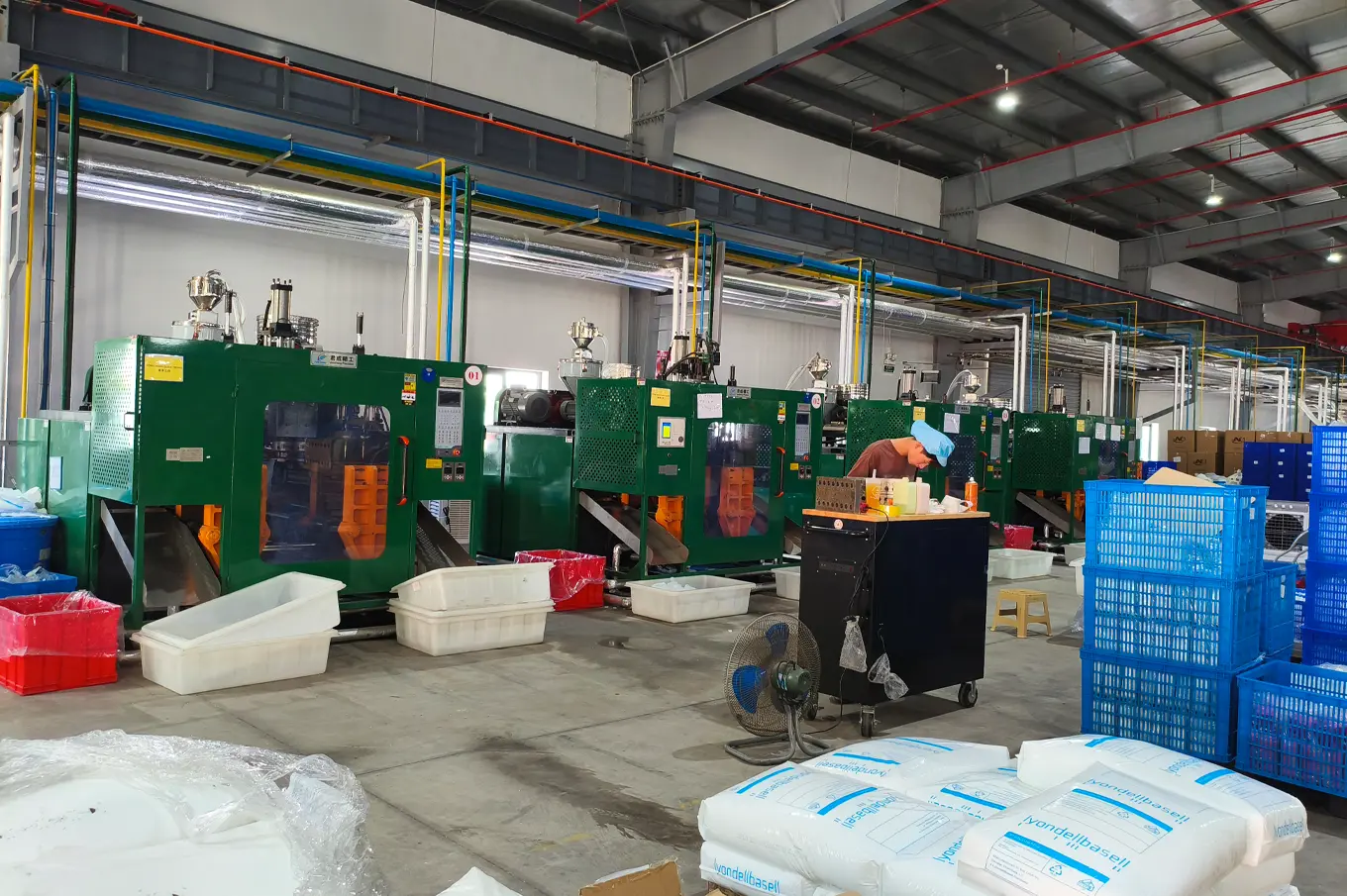
| Base Production Cost Layer | Single layer, no middleman markup, all stamping, grinding, and TPR overmolding completed in-house at our Zhejiang facility | 2-3 layers of markup between the trading company, subcontracted stamping shop, and separate third-party injection molding shop |
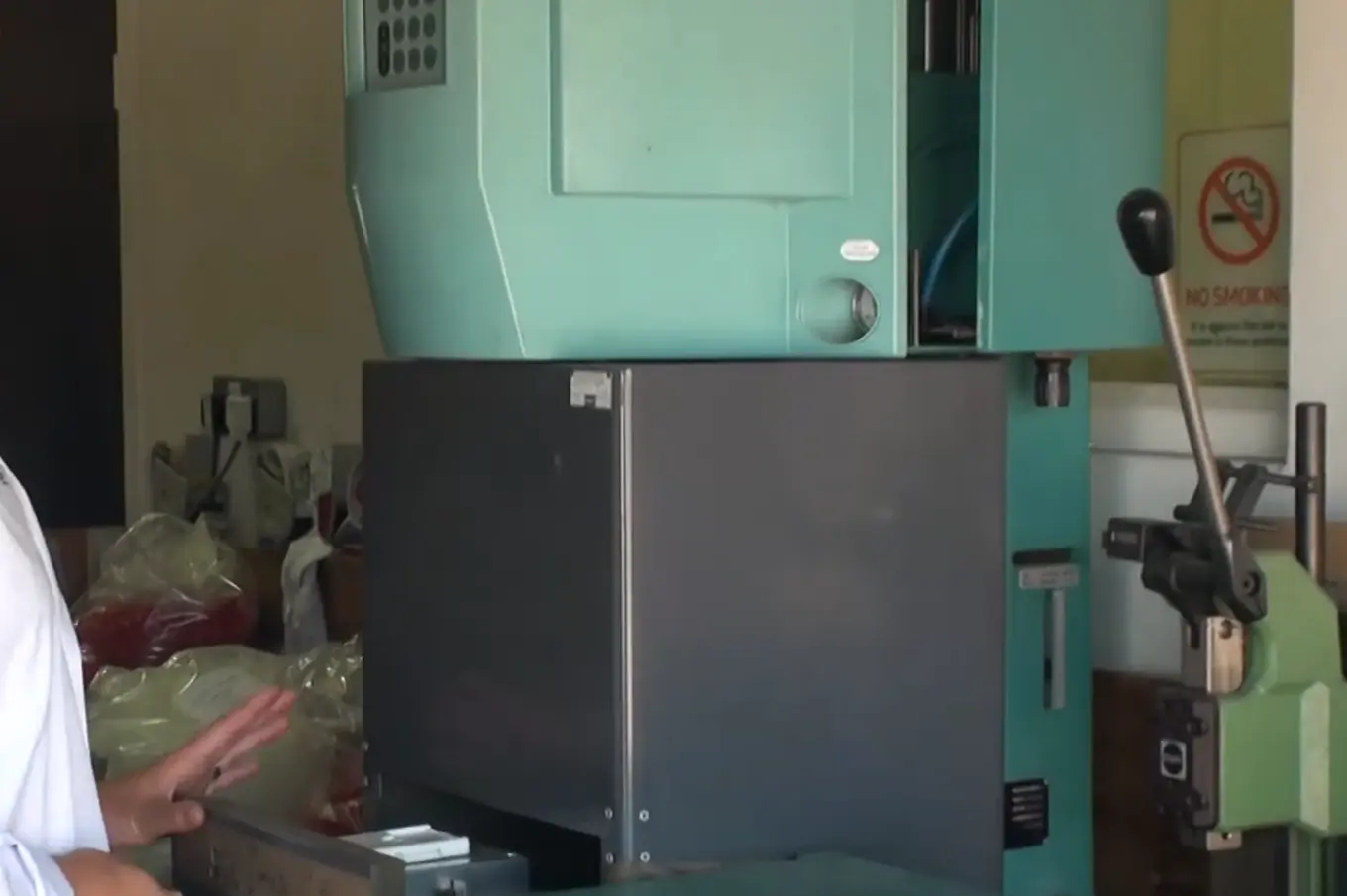
| QC Overhead | Fixed, pre-budgeted overhead for in-house batch hardness testing, striking-cap pull-out strength checks, and rust resistance verification | No dedicated in-house QC team; inspections are outsourced to a third-party service only when the buyer pays extra for the visit |
| Striking Cap Durability Guarantee | 100% of units pass pull-out strength testing before packaging, no loose caps shipped to clients | Spot check less than 1% of units, no formal guarantee for cap retention under repeated hammer strikes |
| Export Overhead | All documentation, container consolidation, and FOB Shanghai delivery bundled into the per-unit price with no surcharges | Base quote excludes customs documentation, ISF filing, and port handling fees that are billed as hidden add-ons after production completes |
| Batch Consistency Risk | All production runs use the same stamping dies and precision taper grinding equipment, no drift in blade flexibility between 100k+ unit batches | Trading companies source leftover capacity from random subcontracted shops, so blade geometry and handle bonding can change completely between two consecutive orders |
| Unplanned Defect Remediation Cost | All rework, replacement units, and expedited shipping for defective batches are covered under the original contract terms | Defect remediation costs are billed separately to the buyer, with no warranty coverage for units that fail field testing |
What many buyers do not realize is that the 5-10% lower per-unit quote from a trading company almost always translates to a 15-22% higher total cost of ownership over a 3-year program, once you factor in warranty claims, product returns, and unplanned expediting fees to replace defective stock.
How We Calculate Our Transparent Per-Unit Pricing For Striking-Cap Putty Knives
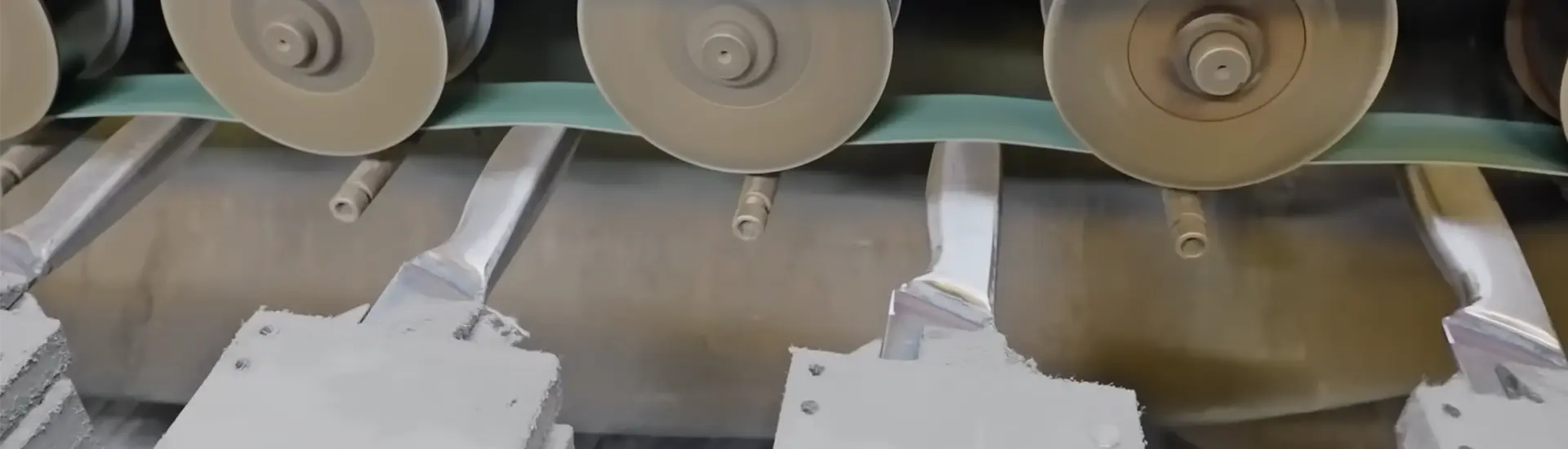
Our pricing model has no hidden layers, because we do not subcontract any core production operations for our stainless steel striking-cap putty knives. Every step of the process is managed and staffed by our own team at the Zhejiang manufacturing base, which lets us lock in predictable, consistent pricing even when stainless steel feedstock prices fluctuate on global markets.
Step 1: Lock in production capacity for your program upfront
For all orders over 100,000 units per year, we reserve dedicated stamping, grinding, and overmolding capacity for your SKU, so we never have to shift your production to a third-party shop to meet tight delivery windows. This also lets us hedge stainless steel feedstock costs for 12 month periods, so you do not see unplanned price spikes mid-program.
Step 2: Build mandatory QC testing into the base per-unit price
We do not charge extra for any of our standard quality checks, including in-house hardness verification, striking-cap pull-out strength testing, and edge rust resistance screening. No hidden subcontractor markup layers mean every dollar of your per-unit payment goes directly to production and quality, not to a middleman profit margin.
Step 3: Bundle all export fulfillment into one fixed cost
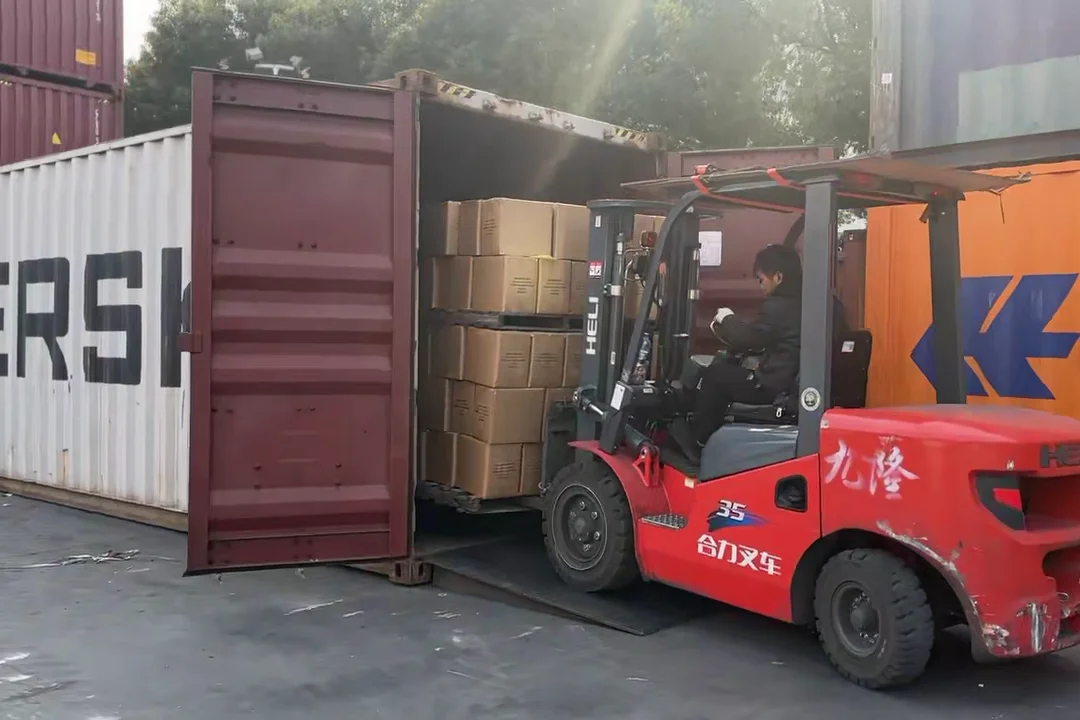
Our Shanghai team handles all factory-integrated fulfillment for your order, including export documentation, container consolidation with other matching SKUs you may be sourcing from our facility, and FOB Shanghai port delivery. Batch test reports are available on demand before shipment, so you can review full quality data before your container clears the factory gate. No surprise documentation or forwarding surcharges will appear on your final invoice.
For custom modified striking-cap putty knife designs that require new tooling, we only open dedicated new molds for programs that hit the 100,000+ units per year volume threshold, as lower volume runs do not justify the tooling investment and we are transparent about that with all prospective clients.
The Hidden 12-18% Total Cost Premium You Never See On A Trading Company Pro Forma Invoice
After 20+ years on the factory floor, the most common mistake we see enterprise procurement teams make is only comparing the top-line per-unit number, without modeling the hidden downstream costs that come with low-transparency suppliers. A trading company that quotes 8% lower per-unit can easily add 15% or more to your total program cost, even if 95% of the units you receive meet basic visual QC standards. For example, loose striking caps that pull out on the first hammer strike will generate 3-5% end-user warranty claims, which you will have to cover out of your own margin. Inconsistent blade hardness across a large run will cause some units to bend permanently during heavy scraping work, leading to negative product reviews that damage your brand reputation across your entire product line.
Even more costly is the risk that your trading company supplier will switch subcontracted factories mid-program without notifying you. We have seen this happen to multiple North American drywall tool brands, where a trading company sourced a second 100,000 unit run of putty knives from a shop that used thinner blade stock, leading to a full product recall that cost the brand more than 10x the total value of the original order. None of that risk exists when you work directly with our Zhejiang facility, where you can audit the full production line at any time, and confirm that the exact same stamping dies, grinding equipment, and overmolding stations are being used for every single batch of your striking-cap putty knives.
3 Steps You Can Take Today To Lock In Fair, Predictable Striking-Cap Putty Knife Pricing
- Request a full line-item breakdown of per-unit costs from any potential supplier, including QC testing, packaging, and export documentation fees, to eliminate hidden surcharges before you sign a contract
- Request a free sample kit of our in-house manufactured striking-cap putty knives, paired with full test reports for the exact batch the samples were pulled from, to compare against your current supplier’s samples
- Coordinate an unannounced third-party audit of our Zhejiang manufacturing base at your convenience, to verify all stamping, grinding, and overmolding operations are run 100% in-house by our full-time production team
Discuss Your Manufacturing Project
Email your drawings or questions. We reply within 24 hours.