
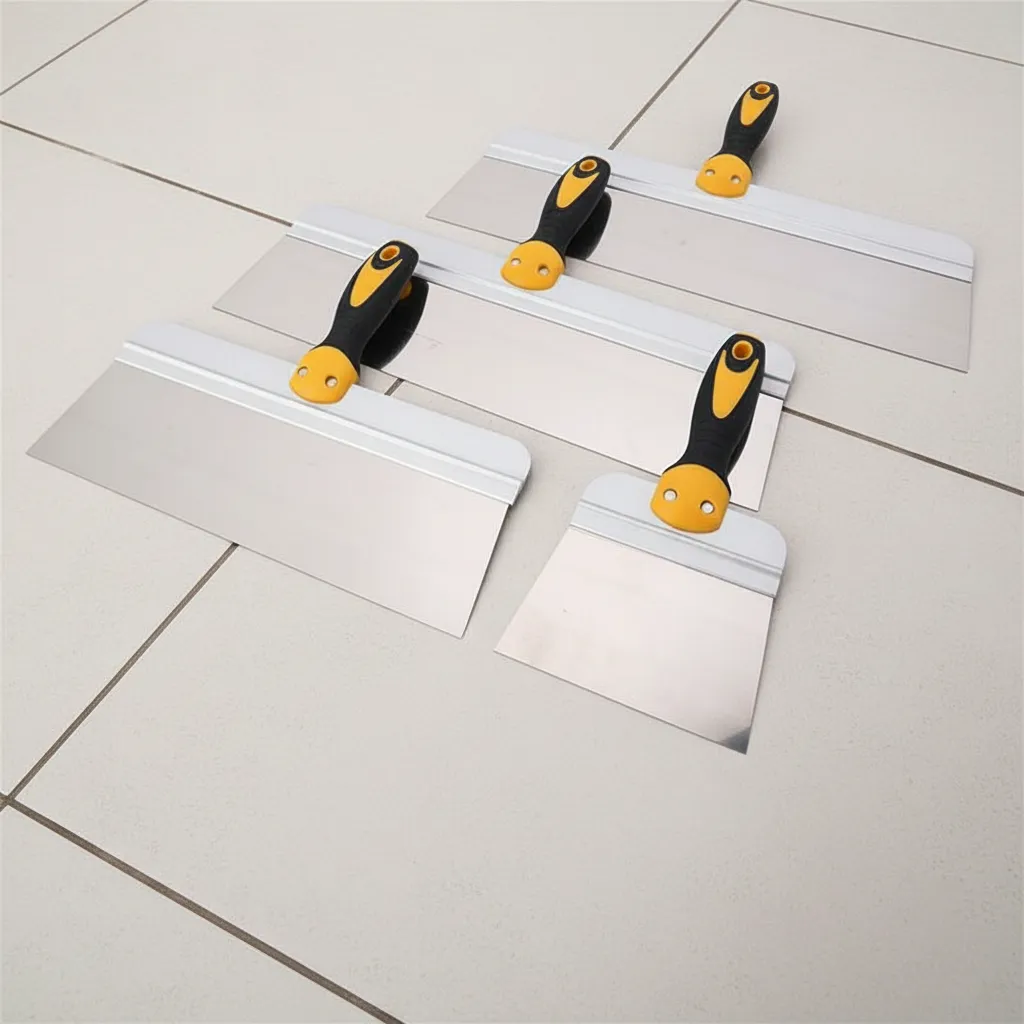
Last quarter, a North American wholesale buyer called our Shanghai export desk after their quality team found 8% of a 60,000-unit order of stainless steel hammer-end putty knives had inconsistent blade flex—a critical failure for drywall contractors demanding uniform feathering. “What happens now?” he asked. “We’ve got over $40k tied up in this container.” As a direct Zhejiang manufacturer shipping FOB Shanghai, our response was immediate: we don’t hide behind trading-company contracts. Our enterprise-level remanufacturing and refund framework is built for exactly this scenario. For container-volume orders of stainless steel striking-cap putty knives, plastering trowels, and scrapers, a failed incoming inspection doesn’t mean a lost investment—it means a direct path to root cause correction, remanufacturing, and, if needed, a financial settlement without the blame game you get from a middleman.
Zhejiang Factory Root Cause Audit: Why Even High-Volume Stainless Steel Putty Knife Batches Can Drift
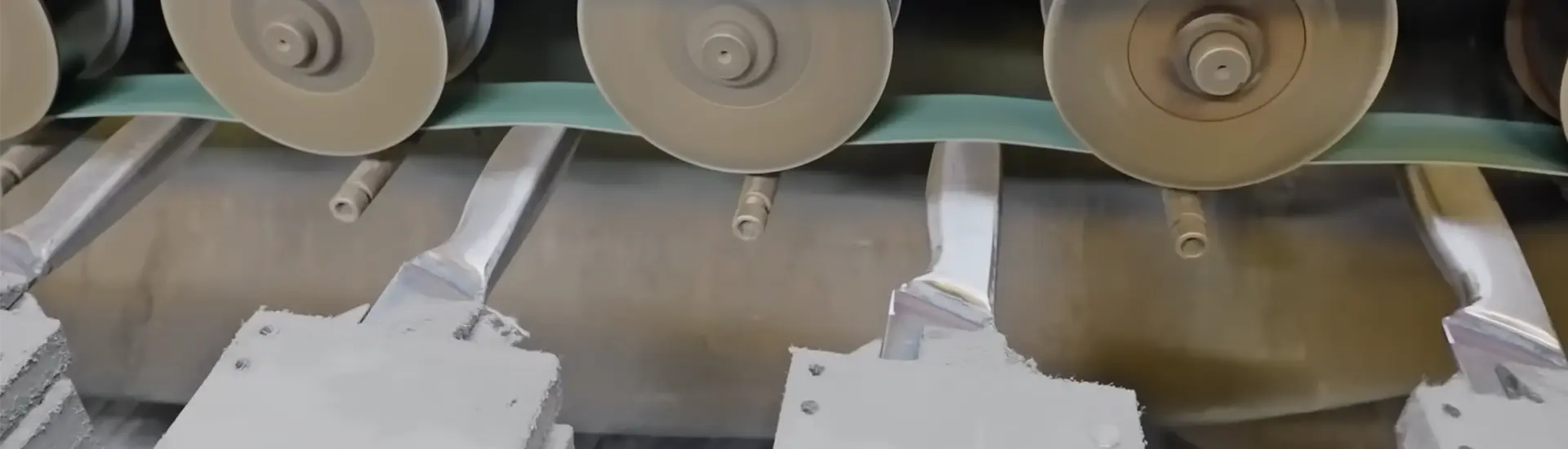
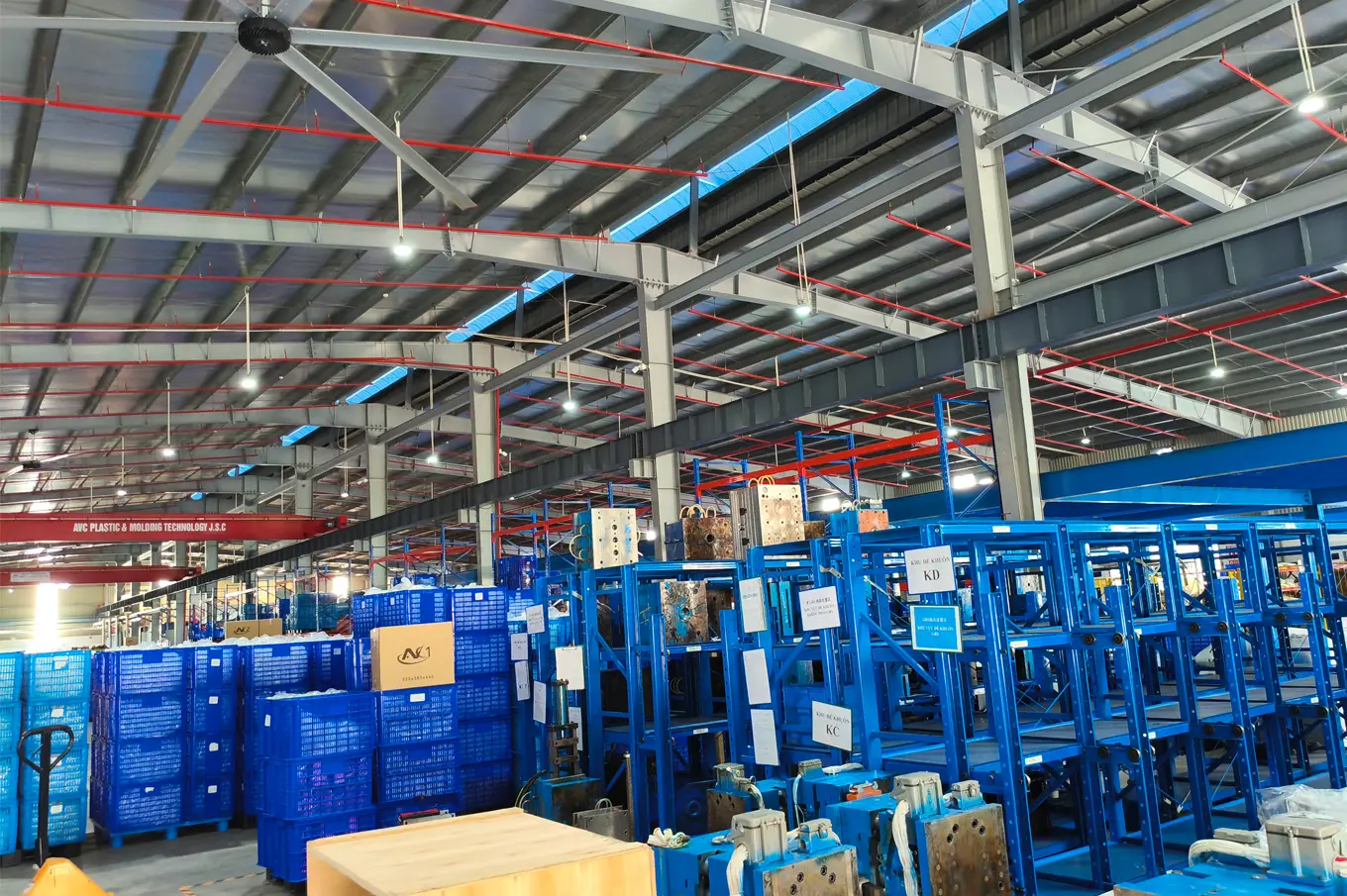
When a 50,000-unit shipment of stainless steel putty knives reaches your warehouse and fails a calibrated go/no-go flex test or a salt-spray screening, the average procurement manager’s nightmare is that the supplier will stall. At Trumax, the first step is not a legal argument but a structured root cause investigation run from our Zhejiang manufacturing base. We understand that in high-volume stainless steel putty knife production, where thousands of blades move through stamping, grinding, and TPR overmolding each day, even a minor shift in grinding belt tension or a cooling cycle variation can introduce a subpopulation of out-of-spec blades. The key difference between a direct manufacturer and a trading-company supply chain is that we own the grinding cells, the stamping presses, and the handle injection molding equipment—so the audit is executed by engineers who actually set those machines.
The table below illustrates the structural gap that leads to quality drift and why a Zhejiang factory with in-house production control solves problems that a typical outsourced China supply chain cannot.
| Aspect | Trumax In-House Zhejiang Process | Typical Outsourced China Process via Trading Company |
|---|---|---|
| Production Ownership | Stamping, grinding, overmolding all under one roof in Zhejiang. Engineering team shares real-time data across processes. | Stamping subcontracted to one workshop, grinding to another, handle molding to a third. Trading company has no engineering authority to adjust processes. |
| In-line Quality Gates | Hardness sampling after stamping, taper-grind profile checks every 2,000 units, pull-out testing on striking-cap assemblies, and full salt-spray coupons per production lot. | Rarely any in-line inspection beyond visual finish. Pre-shipment inspection arranged by trading company often misses flex or hardness deviations. |
| Pre-Shipment Sampling | Statistically significant AQL 1.0 draw pulled directly from the finished pallet in Zhejiang before container loading to Shanghai. | Sample often hand-picked from a separate “golden batch” stored at the trading company’s office, not representative of the actual shipment. |
| Root Cause Access | Engineers walk to the grinding machine or overmolding station to verify process logs and tool wear immediately. | Trading company must relay messages to an unknown, often uncooperative sub-factory. Response loops take weeks, and real cause is frequently never identified. |
| Remanufacturing Capability | Can regrind blades, re-bond handles, or retest hardness in-house because the entire production line is within our Zhejiang walls. | No remanufacturing; only option is to beg the sub-factory to remake at additional cost—with no guarantee of improvement. |
When a 50k+ Batch Fails: The Direct Zhejiang Factory Remanufacturing and Refund Process
Step 1: Evidence-Based Fault Verification
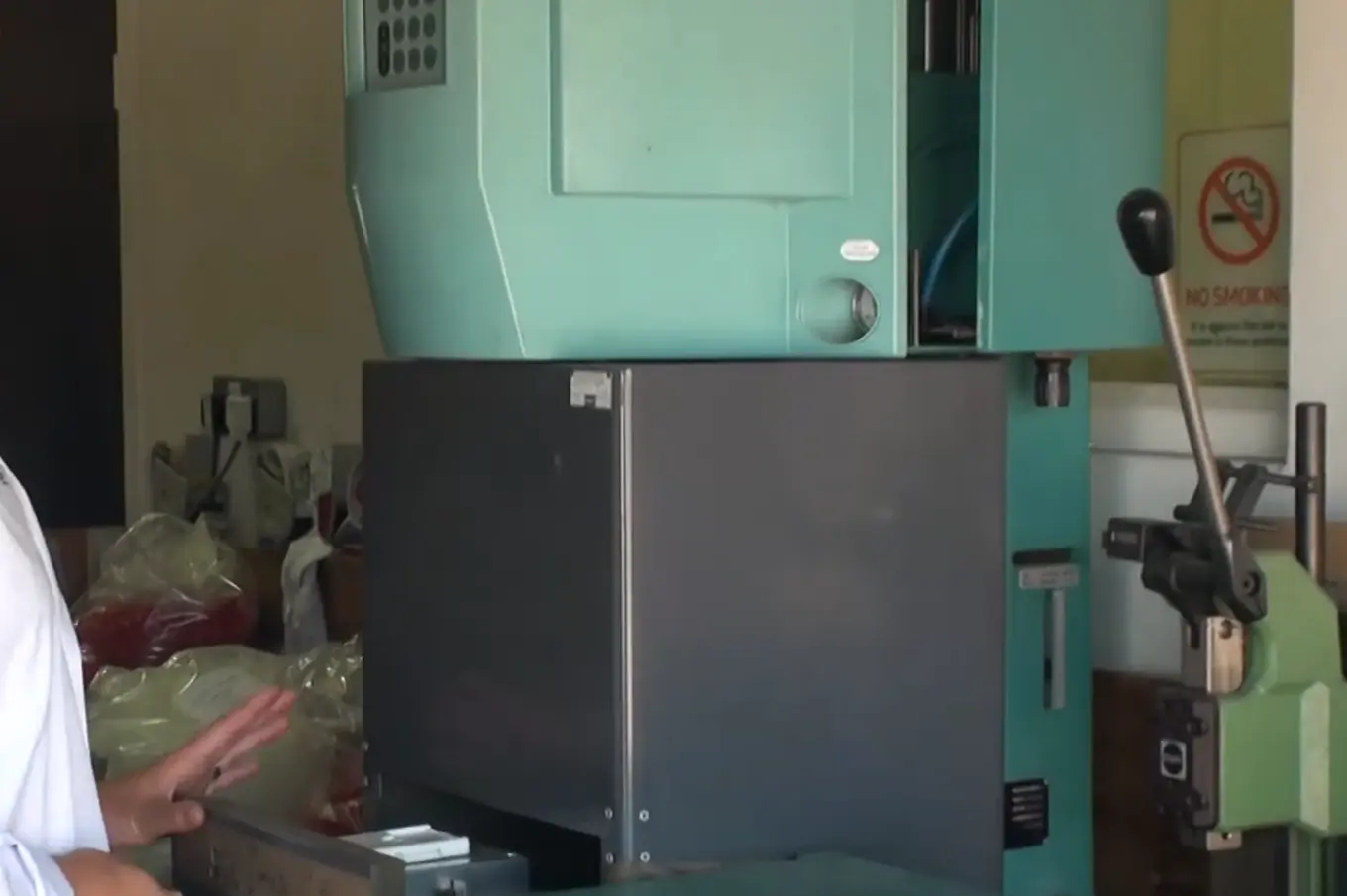
Your procurement team documents the failure with high-resolution photos, measurement data, and batch traceability codes from the carton. Our Shanghai export fulfillment office immediately transmits that evidence to the Zhejiang production engineering cell. Within 24 hours, our engineers correlate the affected batch to specific production logs—grinding machine parameter records, hardness test samples, and the overmolding temperature profile for TPR handles. This isn’t a paper exercise; we physically retrieve the retained samples from that production run and replicate the defect mode. For a recent 50,000-unit order of stainless steel joint knives, a customer’s complaint about excessive burr on the spine led our team to identify a worn deburring wheel that had drifted out of tolerance during the last 5% of the run.
Step 2: Root Cause Rectification in Zhejiang
Once the root cause is confirmed, we present the buyer with a clear corrective action plan. If the batch has not been shipped or is held at the port, we pull it back to the Zhejiang factory—not a third-party repair shop. For blade flex inconsistencies, our grinding team re-sets the taper-grind parameters and processes the entire batch through a controlled regrind cycle, followed by full hardness and flex spot checks. If handle bonding is the issue, our tool-handle injection molding team strips the old TPR grips, re-bonds them under verified insert-molding conditions, and conducts pull-out tests on a 100-piece
Discuss Your Manufacturing Project
Email your drawings or questions. We reply within 24 hours.
Related Products
 3 images
4-Inch Stainless Steel Taping Knife
View product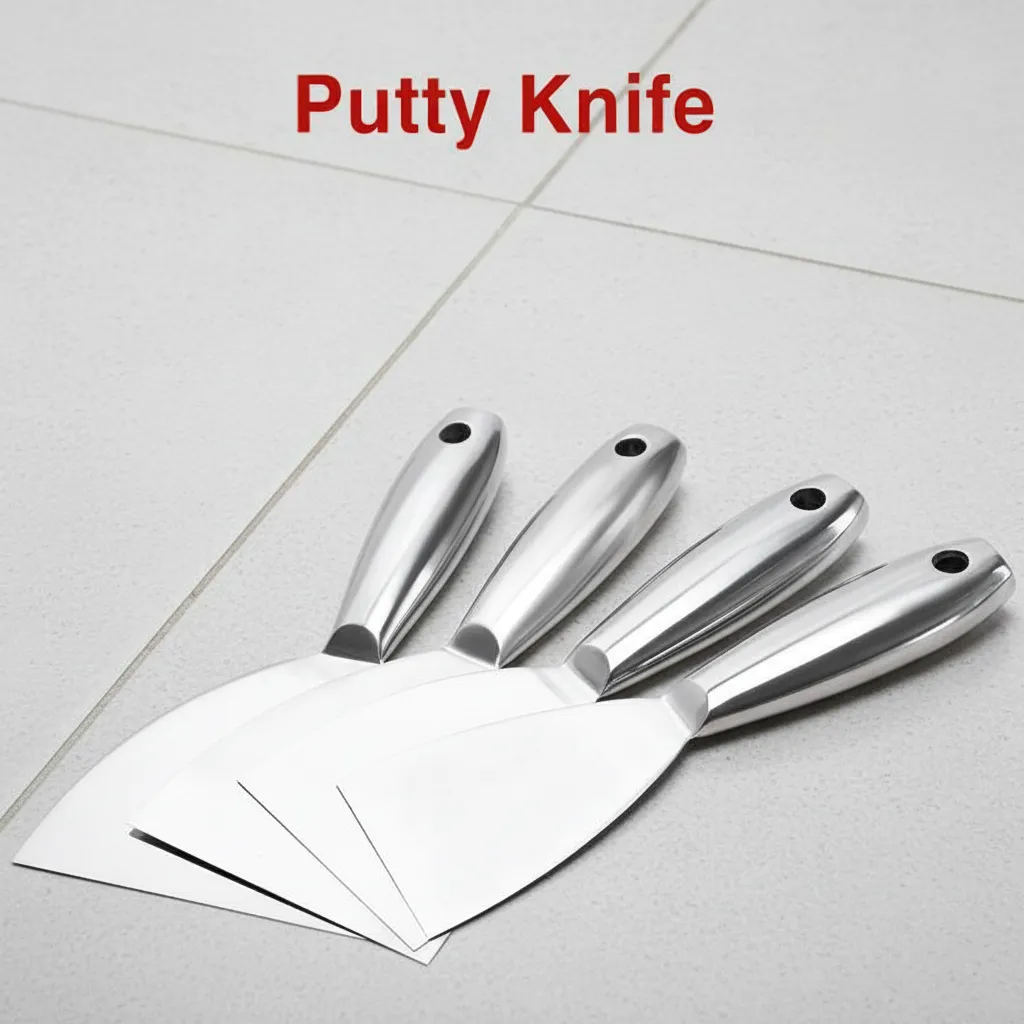 2 images
Unibody Striking Putty Knife
View product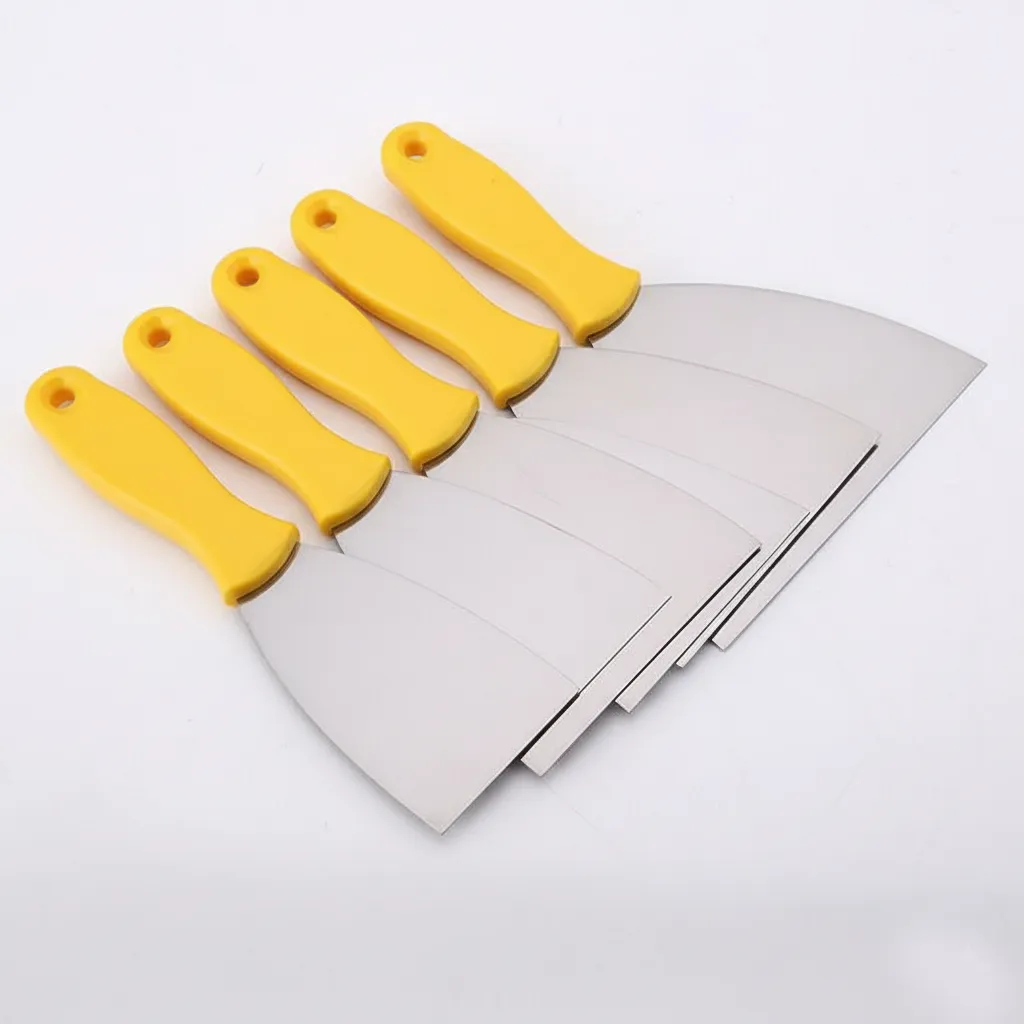 3 images
Steel Putty Knife
View product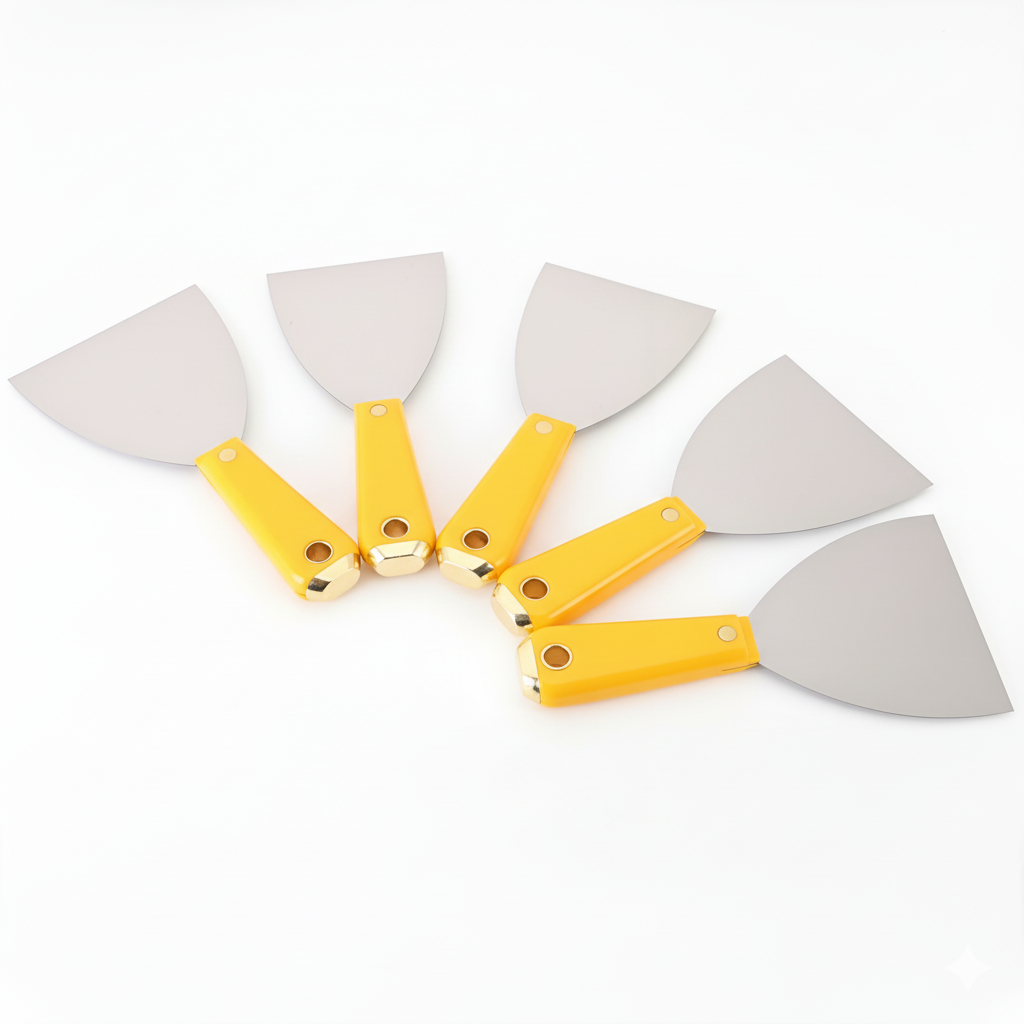 3 images