
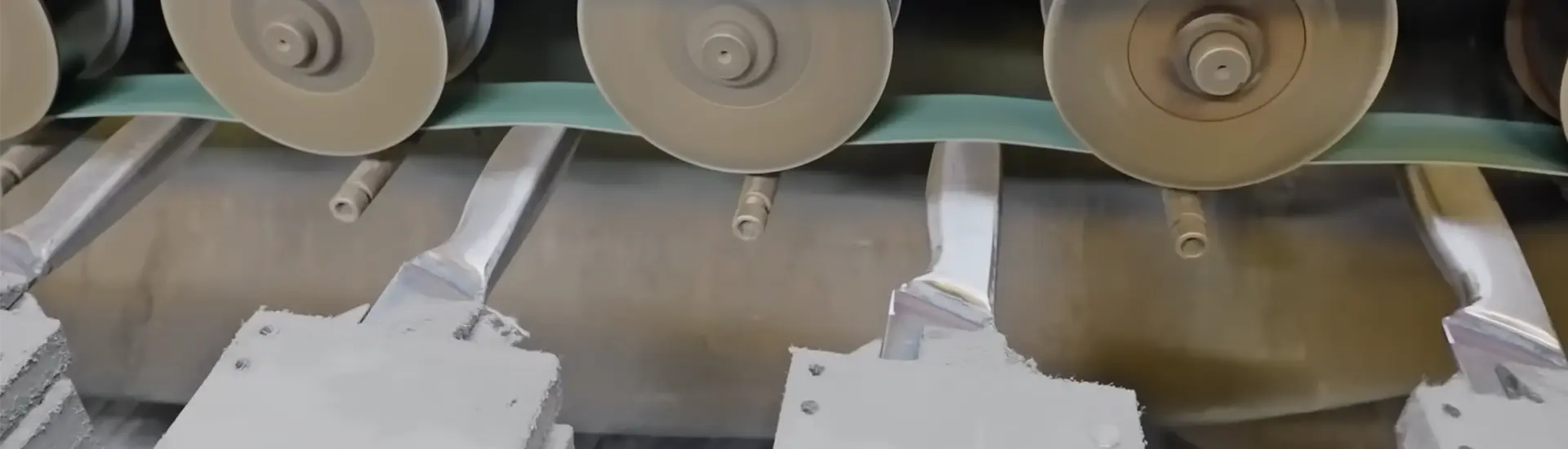
Last month, a long-time North American wholesale hardware importer reached out to our Shanghai export fulfillment team after their third-party audit found 3 different hardness levels across 4 separate containers of stainless steel plastering trowels shipped over 6 months. Their previous supplier was a trading company that sourced blades from 7 different unvetted stamping shops across Zhejiang, with zero centralized QC, leading to 12% of their most recent shipment being returned by construction supply retailers for warping during heavy plaster application. As a direct China manufacturer with full in-house stamping and grinding operations at our Zhejiang base, we walked them through exactly how we eliminate this exact pain point for 3-year multi-volume contracts.
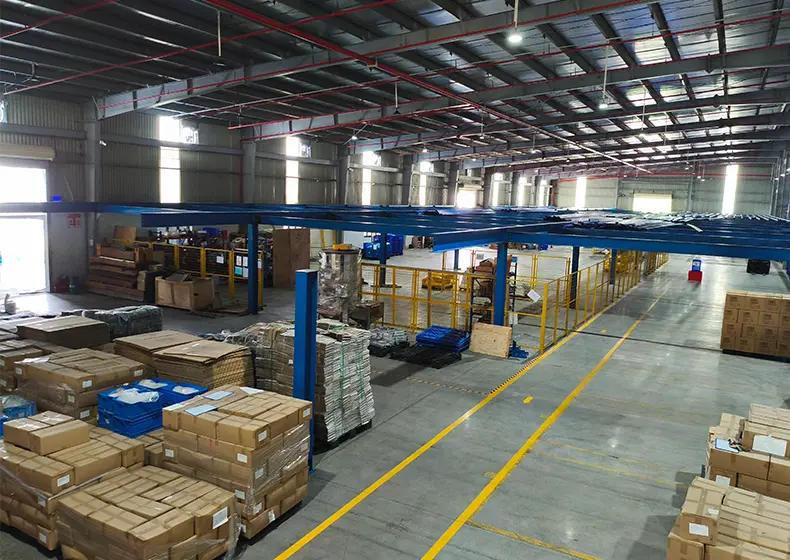
Why Trading Company Sourcing for Stainless Steel Plastering Trowels Breaks Hardness Consistency in China
Most importers that run into inconsistent blade hardness across batches do not realize the root cause is never a single bad production run — it is a structural flaw in the trading company sourcing model. Trading companies that do not own their own stamping and grinding facilities rely on spot purchases from the lowest bidder on local Chinese material and manufacturing markets, with no long-term process controls, no dedicated production capacity, and no ability to enforce uniform standards across dozens of unconnected third-party workshops. Over a 3-year contract, that guarantees you will receive blades made from different raw material batches, processed with different heat treatment settings, and tested with zero standardized QC protocols. The table below breaks down the structural differences between our direct Zhejiang factory model and the typical trading company sourcing model for this product:
| Process Step | Direct Zhejiang Stainless Steel Plastering Trowel Manufacturer | Typical Chinese Trading Company |
|---|---|---|
| Blade Material Sourcing | Single certified domestic stainless steel feedstock supplier, bulk locked pricing for multi-year contracts | Spot buys from lowest bidder on local material markets, no long-term supplier commitments |
| Stamping & Heat Treatment | 100% completed in-house on dedicated production lines, no outsourced work | Farms out stamping to 5+ unvetted third-party workshops, no standardized process controls |
| Hardness Verification | In-house QC team tests 100% of production lots before packaging | Spot checks less than 1% of incoming stock, no documented test records |
| Lot Traceability | Each production batch tied to exact date, operator, and material lot number for full audit trail | No lot tracking, all stock mixed together in shared warehouse facilities |
Even for importers that negotiate strict hardness requirements in their initial purchase order, trading companies have no way to enforce those requirements across their fragmented supply network, leading to costly product returns, damaged retail partner relationships, and unexpected rework costs that erase all the initial savings from the lower per-unit quote.
Our 5-Step Process to Guarantee Batch-to-Batch Hardness Consistency Across 3-Year Contracts
For container-level volume orders and multi-year OEM private label programs for stainless steel plastering trowels, we have a standardized, documented process that eliminates all variance in blade hardness across every single production lot, no matter how many containers you order over the full contract term.
1. Lock Dedicated Production Line Access For Your Program
As soon as your 3-year contract is finalized, we reserve a dedicated stamping and grinding line at our Zhejiang manufacturing base exclusively for your stainless steel plastering trowels, with no shared capacity for unrelated third-party orders that could disrupt process consistency. The same small team of skilled operators will run your production batches for the full duration of the contract, so there is no variation in process knowledge or work habits across different shifts.
2. Standardize Feedstock Specifications Upfront
We align with your procurement and product teams on exact material requirements before any production begins, and lock in our single-source stainless steel supply for the full duration of your contract, so no random material swaps or low-cost substitute feedstock can enter your production line mid-program.
3. Run Pre-Production Qualification Batches
Before the first full container ships, we produce 2 pre-production test runs that your team can test independently, to confirm hardness, flex, and finish meet your exact requirements, and lock that process as the non-negotiable baseline for all future batches.
4. Implement Per-Lot QC Documentation
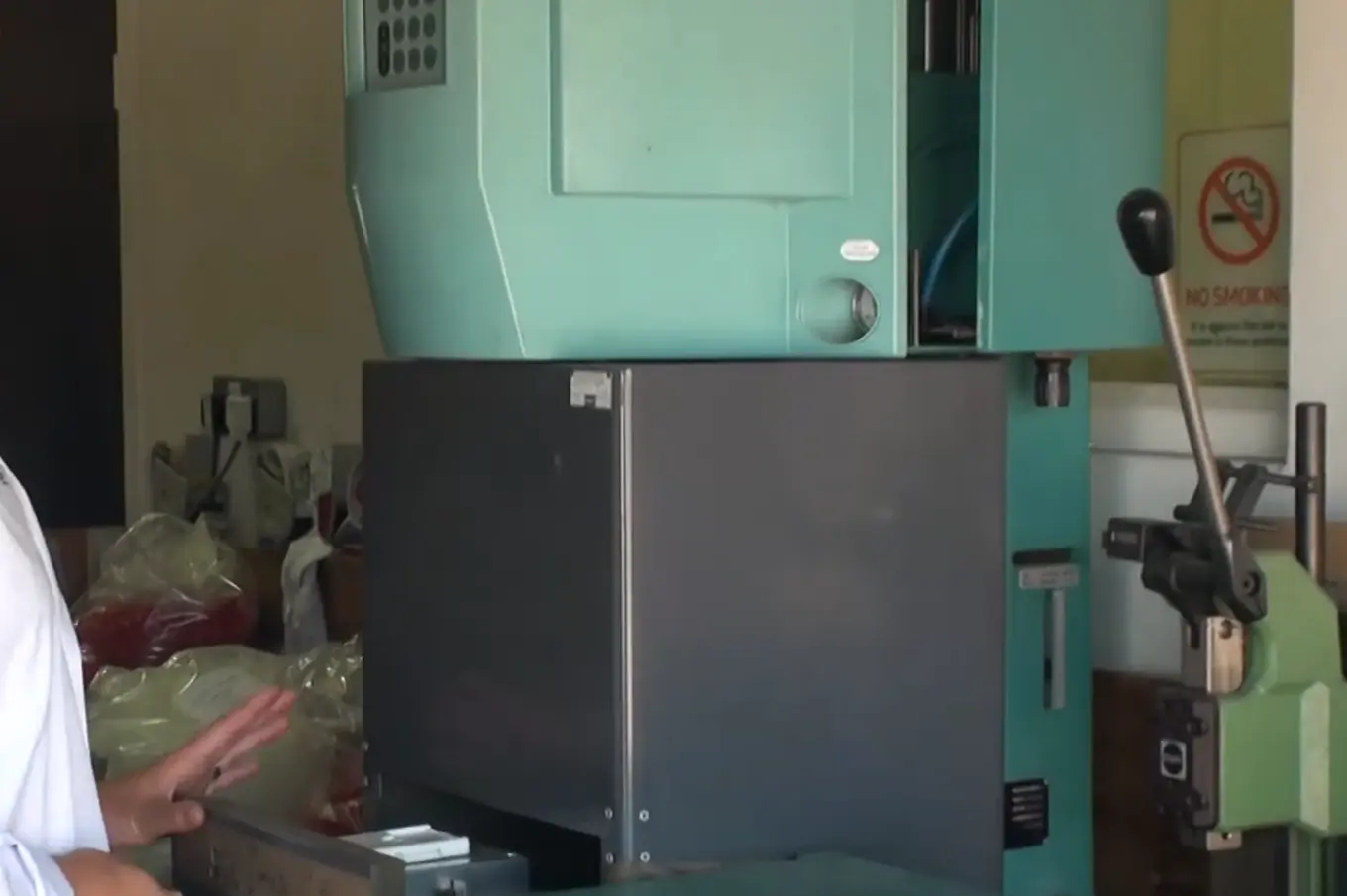
Every single production lot runs through in-house hardness verification, with full test reports shared with your procurement team before any unit leaves the factory floor. No lot passes to packaging unless it meets your pre-agreed hardness benchmarks, with zero exceptions for tight shipping deadlines.
5. Assign Dedicated Account Manager For Full Contract Duration
Your account manager is based at our Shanghai export fulfillment office, and will share weekly production updates, lot test records, and shipping timelines, with no handoffs or staff turnover disrupting your order flow. They will also coordinate any adjustments to custom branding, laser etching, or packaging requirements you request over the course of the 3-year program.
The Hidden Hardness Risk Almost No Overseas Importer Checks When Sourcing From Zhejiang
Even if you confirm consistent raw metal hardness across all your batches, there is one overlooked process variable that can create massive performance differences for end users: uneven taper grinding. A lot of low-cost suppliers run grinding operations at variable, accelerated speeds to cut down on cycle time, leading to uneven blade thickness even if the core metal hardness tests out correctly. That means a stainless steel plastering trowel that feels perfectly balanced and flexible in your initial sample can be stiff, heavy, and hard to use in a later batch, even if the raw metal hardness test results are identical. Our in-house grinding team runs all stainless steel plastering trowels through standardized taper grinding processes that deliver uniform blade flexibility across every lot, not just uniform raw metal hardness. This means your end customers get the exact same work experience every time they pick up one of your trowels, no matter which shipment it came from.
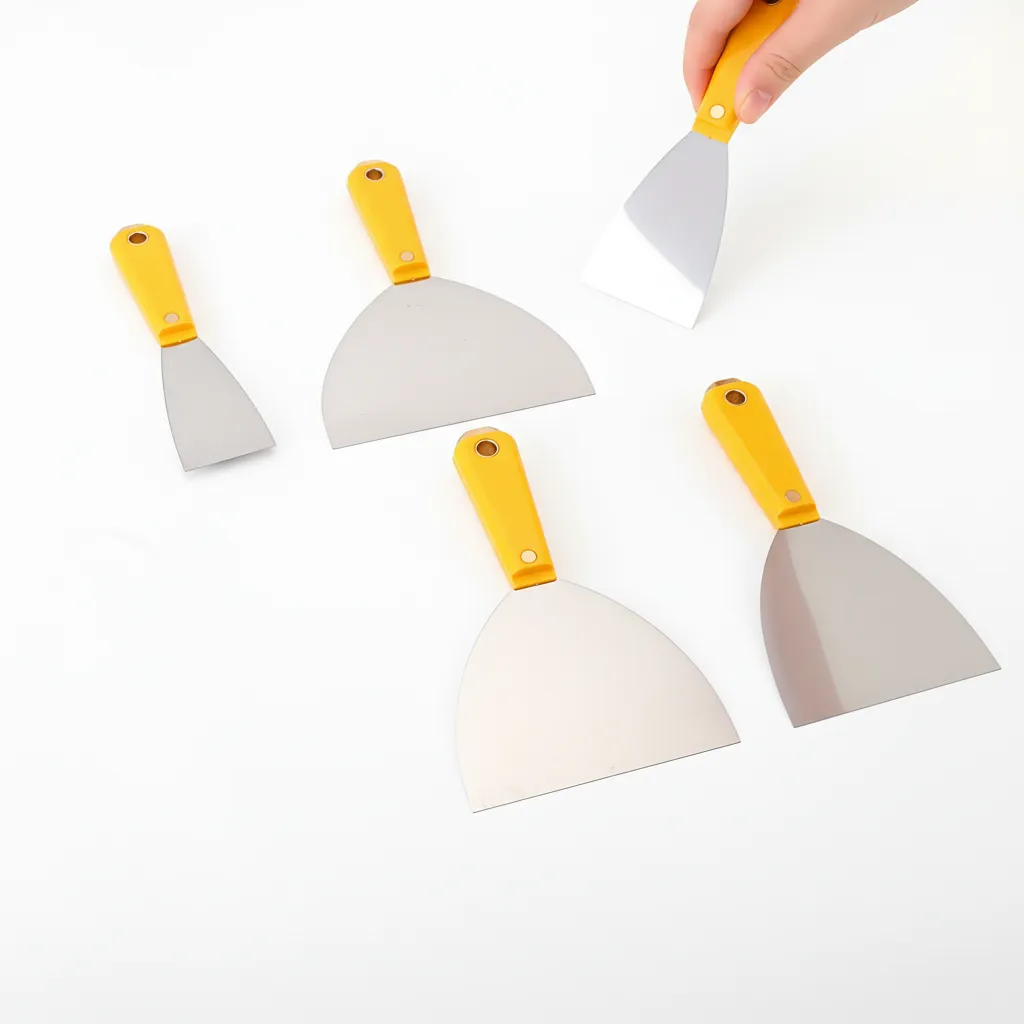
This level of process control is impossible to achieve when you outsource production to dozens of disconnected third-party workshops, which is why importers that partner with direct Zhejiang manufacturers for long-term volume programs see far fewer product returns and far higher customer retention rates than importers that rely on trading company sourcing.
Next Steps For Your Multi-Year Stainless Steel Plastering Trowel Sourcing Program
- Book a no-obligation third-party audit of our Zhejiang manufacturing base, to inspect our stamping, grinding, and in-house QC facilities in person or via live virtual tour at your convenience
- Request a free sample kit of 3 different stainless steel plastering trowel variants, with full independent hardness test documentation included for every sample unit
- Request a bundled factory-direct FOB Shanghai quote that locks in your pricing and dedicated production line access for the full 3-year contract term, including consolidated container shipping for all your hand tool SKUs
Discuss Your Manufacturing Project
Email your drawings or questions. We reply within 24 hours.