
Last year, a North American wholesale hardware importer watched a container of stainless steel putty knives sit at the Port of Shanghai for 12 extra days because a trading company had misclassified the HS codes. For enterprise buyers sourcing from China, customs documentation isn’t a clerical afterthought — it’s the thin line between on-time shelf replenishment and demurrage fees. Trumax Tools, the Zhejiang-based factory that manufactures its own stainless steel putty knives and handles its own FOB Shanghai export, eliminates that line.
Professional procurement managers know that a direct factory relationship can cut unit costs, but many still assume they need a third party to navigate China’s export paperwork. The reality is more nuanced: when the factory owns the entire chain — stamping the blades, grinding the edges, injection-molding the TPR handles, packing the cartons, and preparing the customs documents — the documentation is not a separate service but a built-in quality check against costly errors. This article dissects where fragmented export workflows fail, how our dual-base model (Zhejiang manufacturing + Shanghai export fulfillment) closes those gaps, and why FOB Shanghai stainless steel striking-cap putty knives leave our docks with a paperwork trail that matches the physical goods inside the container.
Why Fragmented Export Documentation Costs Importers of Stainless Steel Putty Knives from China
When a North American distributor orders a container of stainless steel putty knives and plastering trowels through a trading company or an unaffiliated sourcing agent, the documentation process typically splinters across three or four entities: the actual factory, the intermediary’s own paperwork desk, a freight forwarder, and sometimes a separate customs broker. Each handoff is a potential failure point. A factory that never exports directly might classify its metal-handled putty knives with the wrong HS subheading; the trading company may reissue the packing list with mismatched unit counts; the forwarder might not catch it until customs flags the discrepancy. The result is demurrage charges, delayed inland delivery, and a frustrated end customer.
In contrast, when you work with a manufacturer that controls both production in Zhejiang and export out of Shanghai, documentation draws directly from real production data. Our packing list isn’t a guess; it’s generated from the exact carton count and weight after our strike-cap putty knives are loaded at our Zhejiang facility. The commercial invoice reflects the actual unit price agreed, and the HS code is chosen by a team that knows the blade is 90%+ stainless steel by weight. This factory-integrated documentation cycle eliminates the “telephone game” that plagues multi-party supply chains.
| Aspect | Direct Zhejiang Factory with Integrated Export Team | Typical Chinese Trading Company |
|---|---|---|
| Documentation source | Factory staff prepares commercial invoice/packing list from live production data; export desk verifies HS codes based on actual materials | Trading company relies on supplier-provided documents, often with generic classifications or errors |
| Origin certification | Factory can issue its own certificate of origin, backed by Zhejiang production records | Must request from original factory; sometimes unavailable if multiple sourcing middlemen |
| FOB Shanghai coordination | Single point of contact manages factory loading, container trucking to Shanghai port, customs clearance, and bill of lading issuance | Splits coordination between factory and freight forwarder; documentation gaps frequent |
| Risk of delays | Low — integrated workflow; errors caught before shipment | High — each handoff introduces misclassification or missing document risk |
| Cost transparency | All costs visible: product FOB, documentation fee included in FOB quote | Hidden fees: documentation service charge, agent commission, possible demurrage due to errors |
How Trumax’s Shanghai Export Desk Handles Your FOB Shipment of Stainless Steel Putty Knives from Our Zhejiang Factory
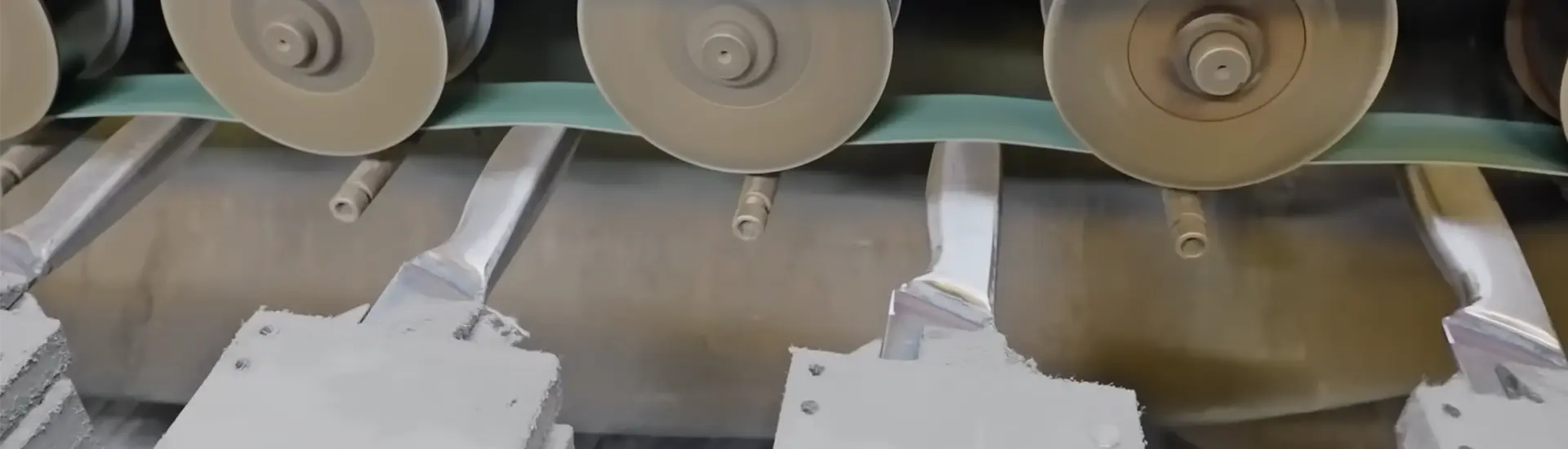
Trumax Tools operates a dual-base model deliberately designed for professional B2B buyers. Our Zhejiang manufacturing base does the stamping, grinding, TPR overmolding, and assembly of putty knives, trowels, and scrapers. Our Shanghai export fulfillment office sits 200 km away, right at the port, and it’s staffed by our own employees — not an outsourced service. Because the Shanghai team is part of the same company, they have immediate access to production schedules, raw material certificates, and quality inspection records. This integration lets them prepare error-free FOB Shanghai documentation as a natural extension of the manufacturing process.
Step 1: Proforma Invoice and Packing List Generated from Live Production Data
Before a container of striking-cap stainless steel putty knives leaves our Zhejiang plant, our ERP system records the exact quantity, net weight, gross weight, and carton dimensions for each SKU. The Shanghai export desk generates the proforma invoice and packing list directly from these data fields — not from a verbal description or a middleman’s template. Any last-minute order changes (a partial run of 2-inch flexible trowels added to the consignment) are reflected in the documents before the container is sealed.
Step 2: HS Code Classification Tailored to Stainless Steel Hand Tools
Customs authorities penalize misclassified goods. Our Shanghai team classifies stainless steel putty knives under the appropriate HS heading (typically Chapter 82 for hand tools) and verifies that the declaration matches the blade material (stainless steel, not carbon steel) and the handle construction (TPR overmolded grip vs. hard plastic). This matters for duty rates and for the importing country’s own compliance checks. Because our Zhejiang factory’s material records confirm the alloy composition, the Shanghai desk doesn’t have to guess.
Step 3: Bill of Lading and Export Declaration Filed by Our Integrated Team
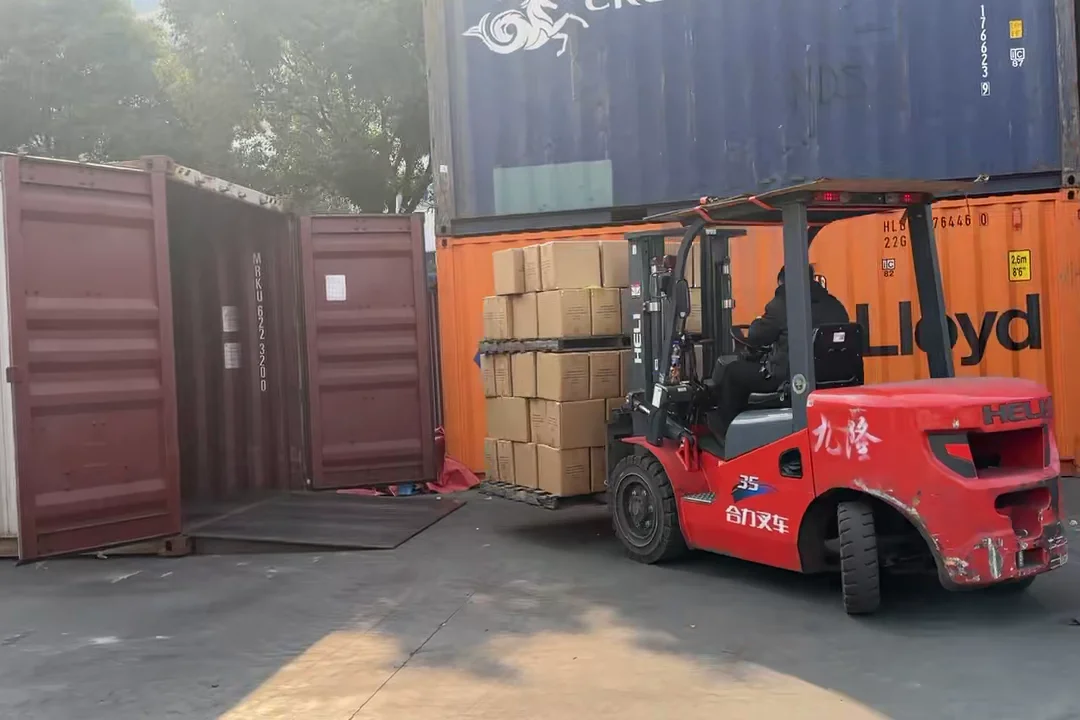
Once the container is loaded at our Zhejiang facility and trucked to Shanghai, our export office prepares the bill of lading, files the export customs declaration (VGM, etc.), and coordinates with the shipping line. The buyer receives a complete document set — commercial invoice, packing list, bill of lading, certificate of origin, and any additional certificates (e.g., MTC for stainless steel) — in a single email, usually within 24 hours of vessel sailing. This tight turnaround prevents the last-minute scramble that causes demurrage at destination ports.
- Commercial invoice
- Packing list with carton-level detail
- Bill of lading (telex released)
- Certificate of origin (Form E or F, as required)
- Material test certificate for stainless steel
- Fumigation certificate (if plywood packaging used)
For a North American home center chain sourcing quarterly containers of our striking-cap putty knives, this integrated documentation flow means their customs broker can pre-clear before arrival, keeping shelf stock uninterrupted. There is no finger-pointing between a factory and an agent because there is no agent — just one manufacturer delivering what it produces.
Why a Trading Company’s “We Handle Everything” Promise Leaves You Exposed — And How Our Factory Integration Closes the Gap
Many China-based trading companies advertise export service, but the operational reality is that they never touch the product or the production records. When a shipment of flexible stainless steel trowels gets flagged for a documentation review, the trading company has to email the real factory, wait for a response, and hope the data is correct. In the interim, the buyer is paying detention fees. That’s the hidden risk of the “one-stop shop” pitch when the shop is actually a rented desk far from the stamping line.
With Trumax, the Shanghai export team’s proximity to Zhejiang means they can physically verify a carton’s contents the same day if needed. More importantly, they have signature authority over factory documents because they are the factory. The exporter of record is the same legal entity that manufactured the putty knives. This satisfies customs authorities in advanced economies who increasingly scrutinize supply-chain ownership to
Discuss Your Manufacturing Project
Email your drawings or questions. We reply within 24 hours.
Related Products
 3 images
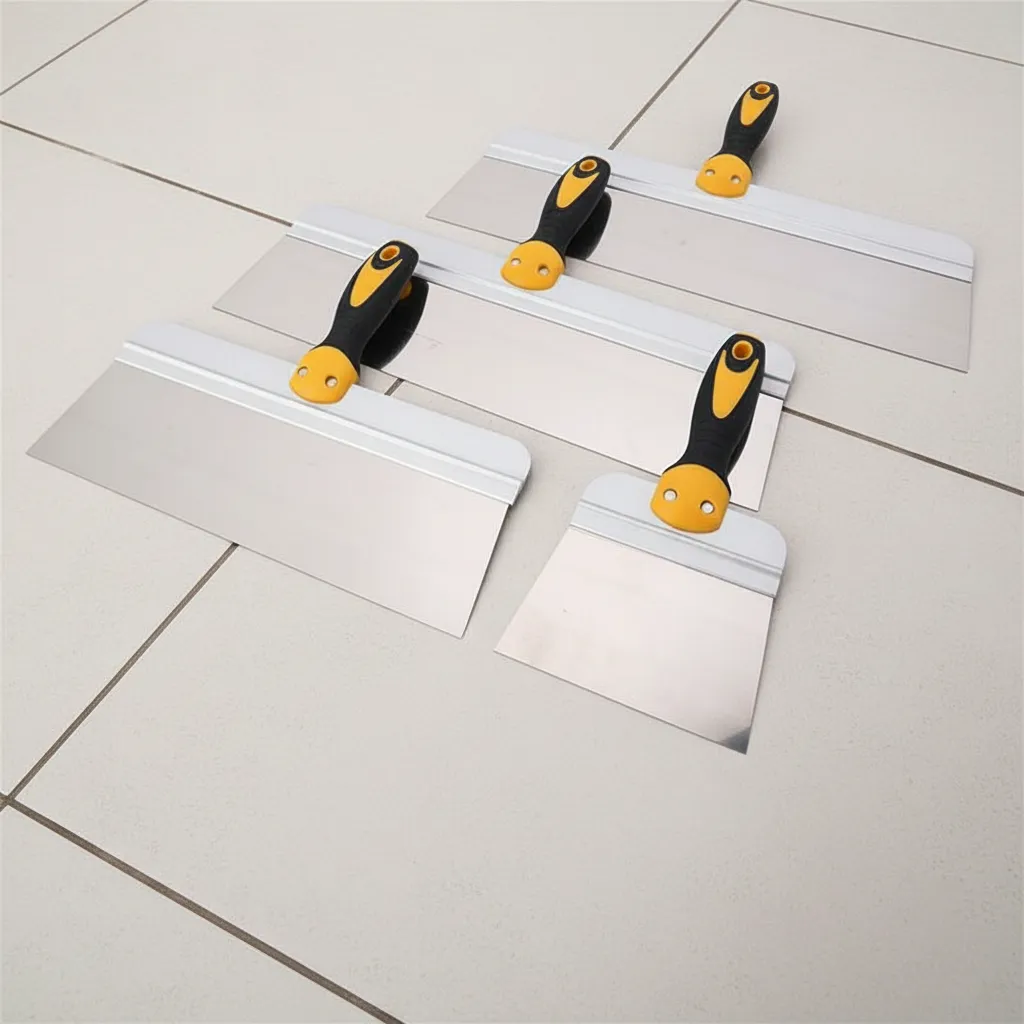
4-Inch Stainless Steel Taping Knife
View product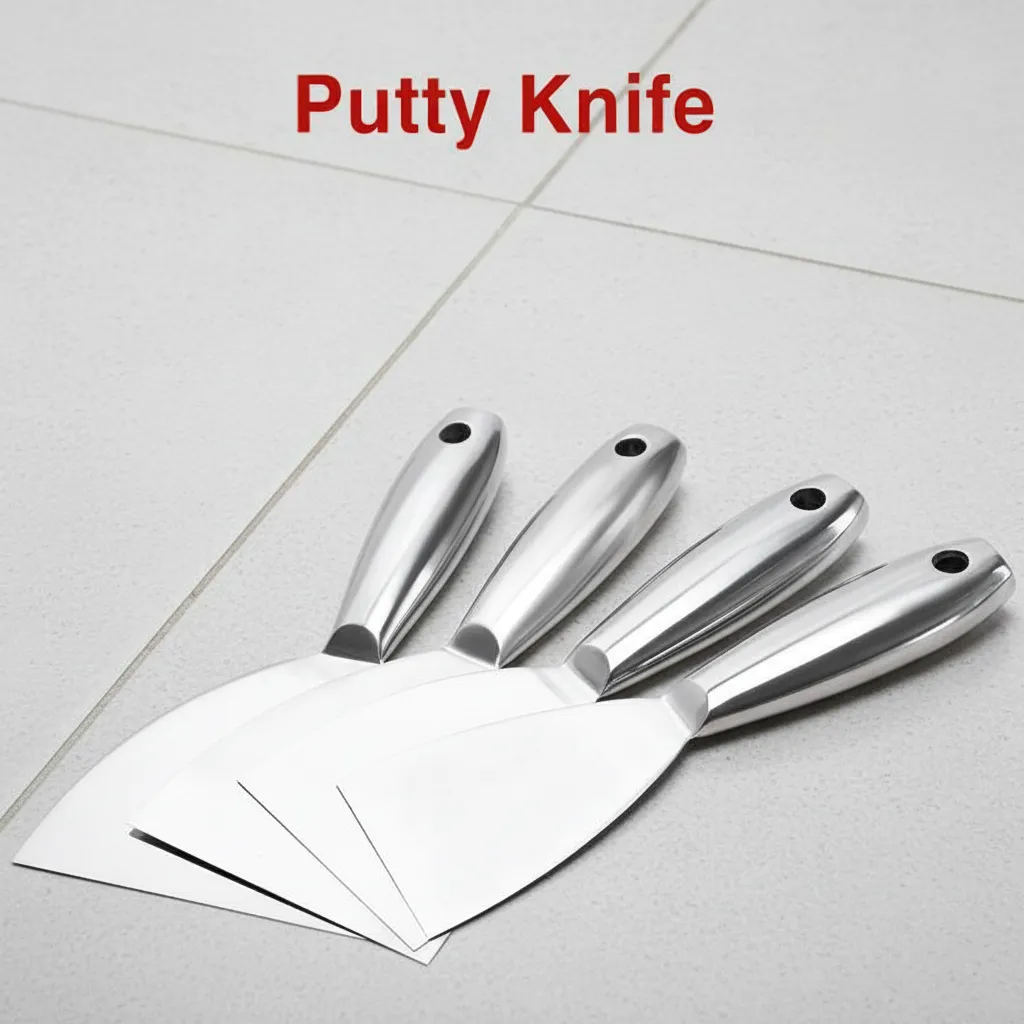 2 images
Unibody Striking Putty Knife
View product 3 images
Steel Putty Knife
View product 3 images