
Last month, a Fortune 500 construction supplies brand reached out to our Shanghai export team in a full panic. Their previous tier-2 supplier, a trading company based in Yiwu, had shipped 3 full containers of striking-end putty knives that failed their third-party compliance audit. The batch records they received were generic, hand-written spreadsheets that didn’t match the actual material lot numbers, and they had no way to trace where the stainless steel had been sourced, or confirm that the reinforced striking caps met pull-strength requirements. The entire shipment was at risk of being rejected at port, costing them over $120k in rework fees and 6 weeks of missed retail shelf and job site delivery windows. That scenario is not an anomaly. For enterprise procurement teams managing annual multi-million dollar hand tool programs, incomplete or fake batch traceability records are one of the most underrated, high-cost risks in the supply chain today.
Why 90% Of Trading Companies Cannot Deliver Legitimate Batch Traceability For Stainless Steel Hand Tools
The root of this traceability failure is not laziness or fraud, it is structural. Most non-factory suppliers do not own their production lines, so they source stainless steel putty knives, plastering trowels, and scrapers from 3 to 4 separate small workshops at the same time to fill a single container, mixing batches to hit the lowest possible per-unit cost. They have no physical access to production logs, no control over incoming material sourcing, and no in-house testing infrastructure to generate verified records. The table below breaks down the core structural differences between a direct manufacturer’s traceability capabilities and a typical third-party supplier:
| Evaluation Criteria | Direct Manufacturer (Trumax Zhejiang) | Typical Third-Party Trading Company |
|---|---|---|
| Material Lot Tracking | Every incoming stainless steel coil batch number is logged against the specific production run it is allocated to, no cross-batch mixing permitted | No visibility into upstream material sourcing, records are manually created after the fact to meet client requests |
| In-Process Production Logs | Shift supervisors log every stamping, grinding, and overmolding operation against the master batch ID, stored in a permanent on-site archive | No access to workshop production logs, no record of which facility produced which units in the order |
| QC Test Records | All in-house hardness, striking cap pull-out, and rust resistance test results are tied directly to the batch ID, with no redacted or altered data | QC reports are reused from old, unrelated production runs to match client compliance checklists |
| Shipment Chain Of Custody | Batch ID is linked directly to container number, pallet load map, and FOB documentation for full end-to-end visibility | No mapping between individual units and shipment documentation, no way to isolate defective batches post-delivery |
| Audit Trail Access | Unrestricted access to physical log books and production floor archives for third-party audit teams | Only access to a rented client showroom, no access to actual production facilities or raw records |
What many procurement teams miss is that traceability is not a document you ask for after production is complete — it is a system you build into every step of the production process, before the first stainless steel sheet is even stamped. If your supplier cannot show you how they track batches from the moment raw material enters their facility, the records they hand you are effectively worthless for compliance.
Our Step-By-Step Batch Traceability Process For Every Stainless Steel Hand Tool Order
At our Zhejiang manufacturing base, batch traceability is not an add-on service we charge extra for — it is a core part of our standard operating procedure for every hand tool order, no exceptions.
Step 1: Raw Material Inbound Logging
Every stainless steel coil that arrives at our stamping and grinding floor is tagged with a unique lot ID the moment it passes our incoming QC check. We cross-reference this ID against the steel mill’s official material certification, and store that documentation in both digital and physical archives for a minimum of 7 years, per global enterprise compliance requirements. No new incoming coil is ever unloaded onto the production floor until its lot ID is logged and verified.
Step 2: In-Process Production Tagging
Once a batch of steel is allocated to a specific production run, every downstream process — stamping, precision taper grinding, edge deburring, striking cap installation, and TPR overmolding — is tagged with the same master batch ID. Shift supervisors sign off on every log entry, so we can trace exactly which team ran that production run, what shift it was completed on, and which mold was used for the overmolded handles.
Step 3: Post-Production QC Verification
Before any batch is moved to finished goods storage, our in-house testing team runs full standard quality checks, and logs every result against the master batch ID. This includes consistent HRC hardness verification, striking cap pull-out strength testing, and rust resistance spot checks. No batch is cleared for shipping if any test result falls outside your pre-defined specifications, and all failed units are fully segregated and marked for scrap, never mixed into approved stock.
Step 4: Shipment Chain Of Custody Finalization
The master batch ID is linked directly to the container number, pallet load map, and export documentation before the unit leaves our factory gates. Our factory-integrated fulfillment team at the Shanghai office attaches all full traceability records directly to your FOB Shanghai shipping documents, so you have every record you need for your compliance audit before the container even clears the port. For high-volume programs of 100,000 units per year or more that require custom TPR overmolded handles, we extend this traceability framework to include the exact resin lot ID for every batch of soft grip material used on your tools, for full material transparency across the entire product.
The Hidden Traceability Gap Most Enterprise Procurement Teams Miss
After 22 years running hand tool production lines in Zhejiang, I can tell you the most common trick used by non-transparent suppliers to fake traceability records: they backdate test reports to match your order date, even though the units you are receiving were produced 6 months earlier from a completely different material lot. Most procurement teams only check that the paperwork has the right dates, but never cross-reference the records against physical markers on the product itself. We build a tiny, non-intrusive etch of the batch ID on the inner side of every striking cap putty knife’s handle, where it will never be visible to the end user, but can be verified by your audit team at any point in the supply chain. This eliminates 100% of the risk of mismatched or backdated records, because the physical product itself carries the proof of which batch it belongs to. No supplier that does not own the production line can replicate this step, because they have no control over the stamping or etching process on the workshop floor.
You will also never find a third-party supplier that stores their batch logs for 7+ years, as we do. Most trading companies discard old records 3 months after a shipment clears customs, because they have no long-term stake in the quality performance of the hand tools they sell. For enterprise teams that need to resolve warranty claims or trace a field failure back to a specific production run 2 years after delivery, that lack of archival storage creates a massive, unresolvable compliance gap.
3 Next Steps To Validate Traceability For Your Next Hand Tool Order
- Reach out to our team to request a full set of blank traceability record templates, so you can align our process with your internal compliance requirements before your next hand tool program launches.
- Book a pre-scheduled third-party audit of our Zhejiang manufacturing base, where your audit team will have full, unrestricted access to our production batch log books and 7+ years of in-house testing archives, no restricted areas or pre-arranged show floors.
- Request a low-risk test batch of 500 stainless steel striking-end putty knives, where we will share the full traceability trail for that exact production run before the order ships, so your compliance team can validate the entire process end to end with zero risk of port rejection.
Discuss Your Manufacturing Project
Email your drawings or questions. We reply within 24 hours.
Related Products
 3 images
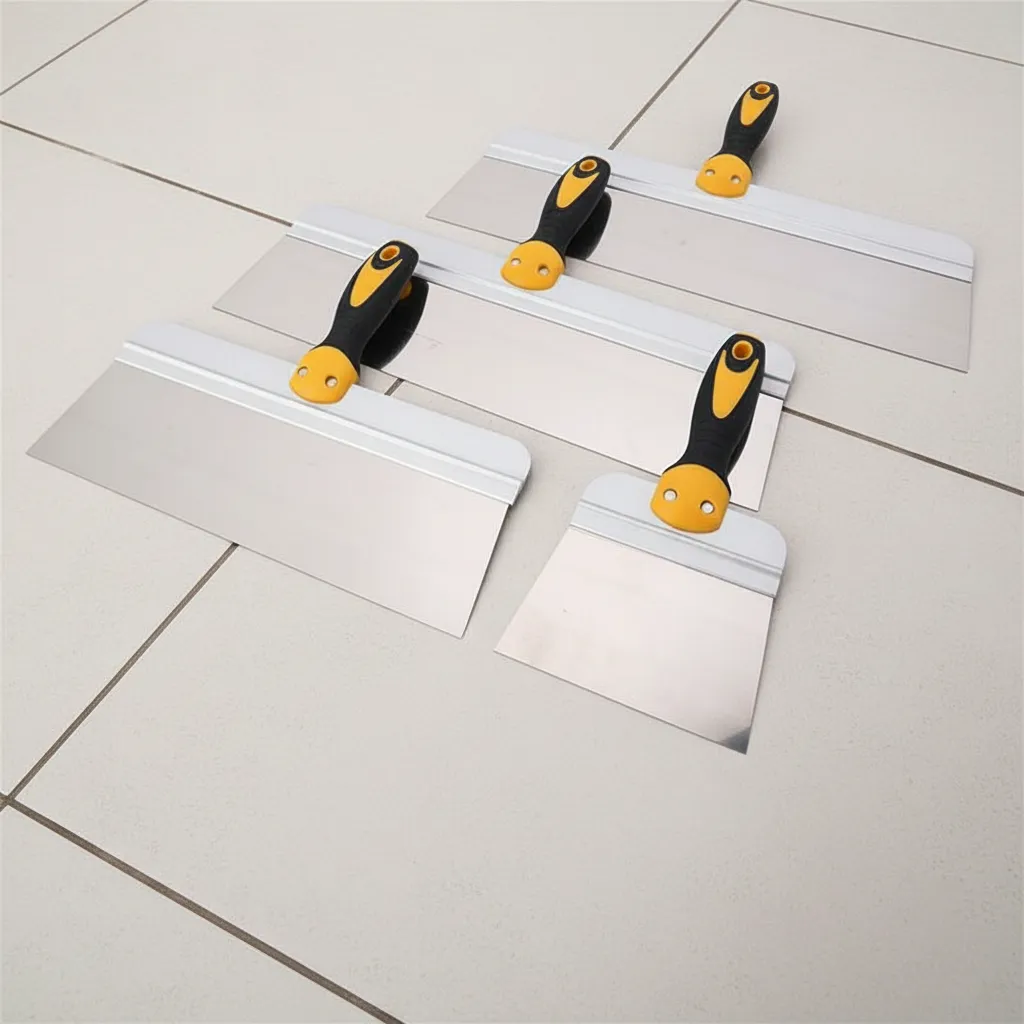
4-Inch Stainless Steel Taping Knife
View product 2 images
Unibody Striking Putty Knife
View product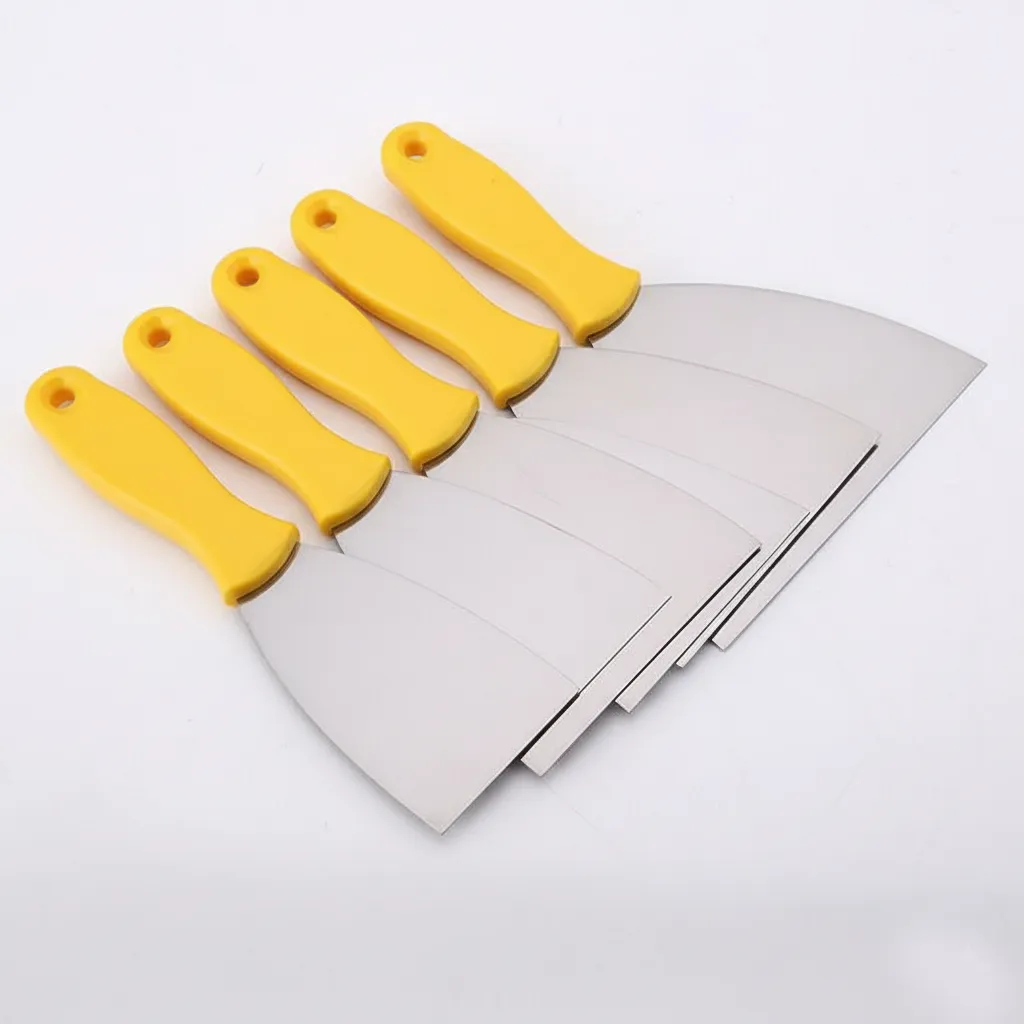 3 images
Steel Putty Knife
View product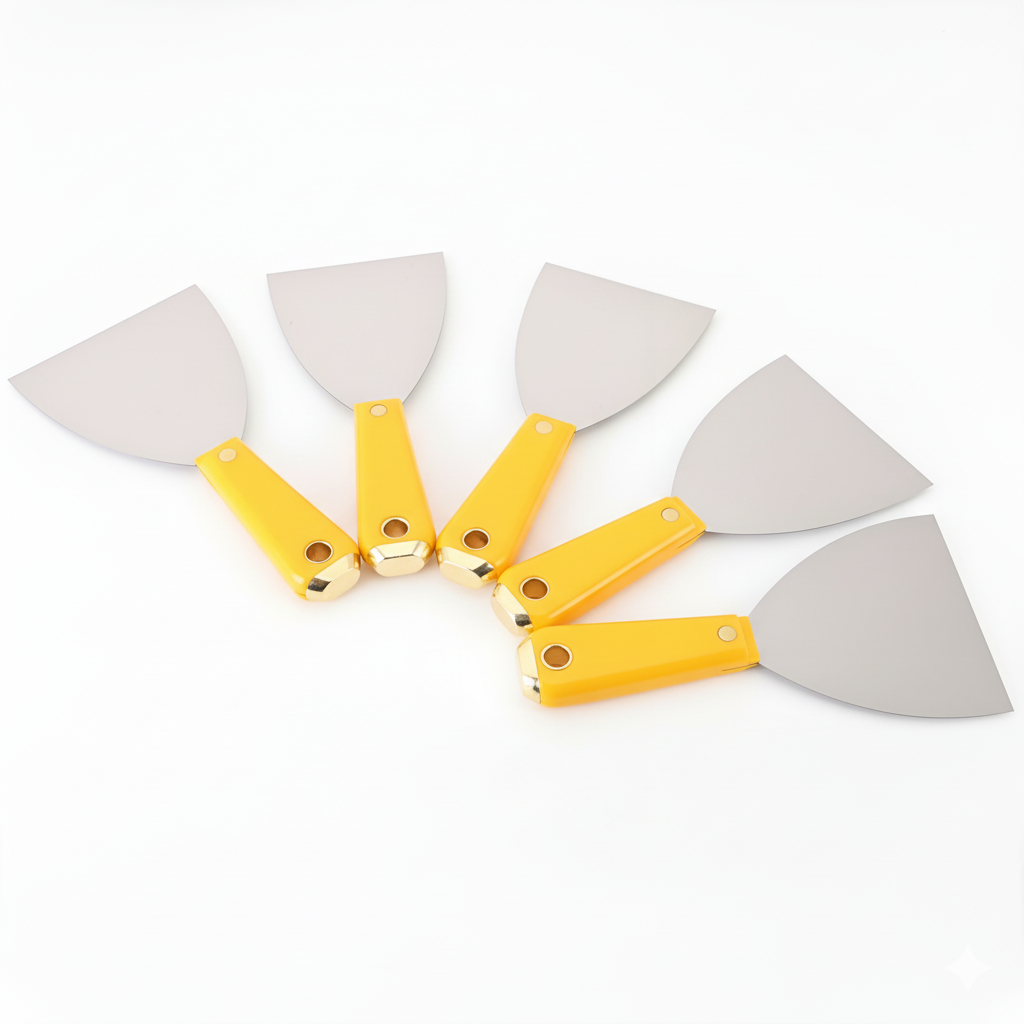 3 images